Vibe Coding Explained
Introduction to Vibe Coding
What Is Vibe Coding?
Instead of writing every line of code yourself, imagine describing what you want your program to do in plain English. You have a conversation with an AI, guiding it as it generates the code for you. This new approach to software development is called vibe coding.
Vibe coding is the practice of creating software by describing what you want in natural language, letting artificial intelligence generate the code, and then refining it through conversation.
The core idea is to shift the developer's role from a manual coder to a director. You focus on the high-level logic, the user experience, and the overall goal, while the AI handles the syntax and boilerplate code. It's an iterative process of prompting, reviewing, and refining.
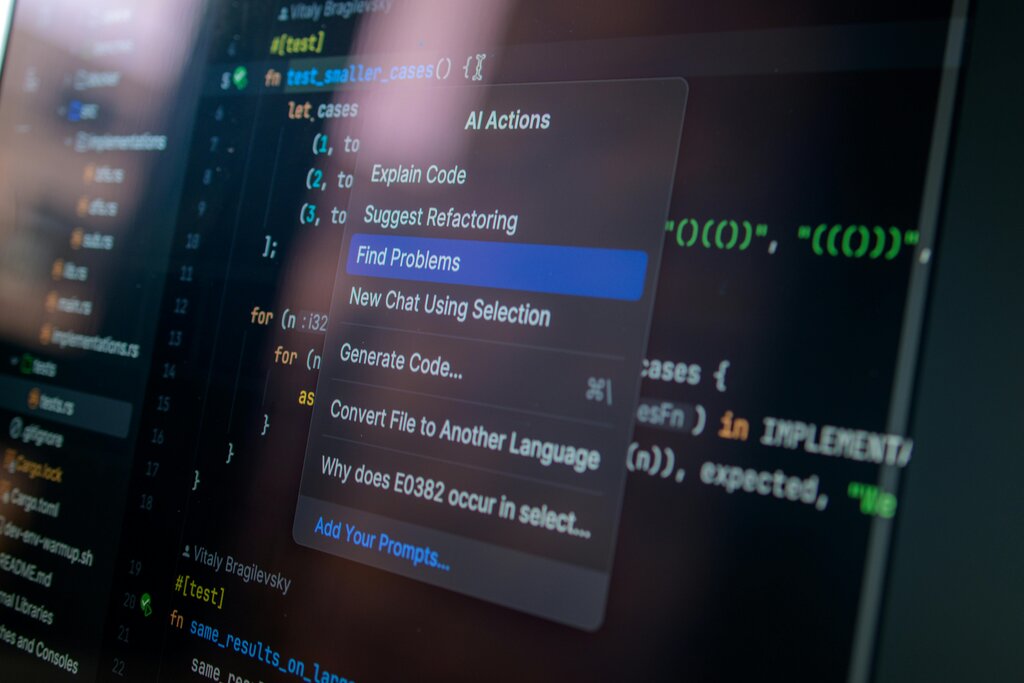
The term was first introduced by computer scientist Andrej Karpathy in early 2025. It quickly captured the essence of this emerging, AI-assisted development style that was becoming more popular with the rise of powerful Large Language Models (LLMs).
How It's Different
Traditional coding is a precise, deliberate process. A developer thinks through the logic, writes code in a specific programming language, and then tests it. Every semicolon and bracket matters.
Vibe coding is more like a guided improvisation. The developer provides a high-level goal, and the AI offers a starting point. The developer then steers the AI with feedback, asking for changes, pointing out errors, and refining the results. The focus moves from writing syntax to shaping intent.
| Feature | Traditional Coding | Vibe Coding |
|---|---|---|
| Developer's Role | Coder, architect, debugger | Director, prompter, editor |
| Primary Input | Meticulously written code | Natural language prompts |
| Process | Linear: Plan -> Code -> Test | Iterative: Prompt -> Refine -> Test |
| Initial Focus | Correct syntax and logic | Describing the desired outcome |
This diagram shows the difference in workflow.
Key Characteristics
Vibe coding isn't just a tool; it's a different way of thinking about building software. It's defined by a few core principles:
- Conversational and Iterative: The process is a dialogue. You don't give one perfect instruction; you have a back-and-forth conversation, refining the code with each step.
- Intention-Focused: You concentrate on what you want to achieve, not the specific lines of code needed to do it. This allows for more creative problem-solving without getting bogged down in syntax.
- Rapid Prototyping: Since AI can generate code much faster than a human can type it, vibe coding is excellent for building prototypes and testing ideas quickly. You can explore different approaches in a fraction of the time.
The goal is to get to a working result as fast as possible, even if the first version isn't perfect. It's all about momentum and quick feedback loops.
Ready to check your understanding of these new concepts?
What is the primary role of a developer when using the "vibe coding" approach?
Which of these is a core principle of vibe coding?
This new, conversational approach is changing how developers work, turning coding into a more collaborative process between human and machine.