Vibe Coding Explained
Introduction to Vibe Coding
What Is Vibe Coding?
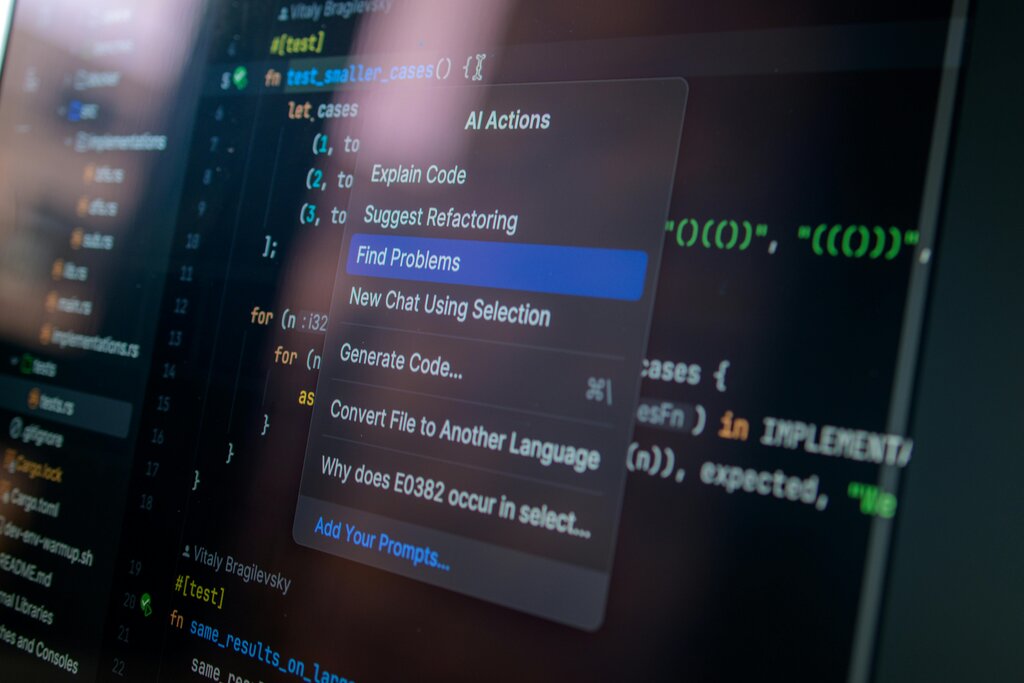
Imagine telling a computer what you want it to build, using everyday language, and then watching it write the code for you. That's the core idea behind vibe coding. It's a method of software development where a developer guides an AI, typically a large language model (LLM), to generate code. Instead of writing code line-by-line, the developer's job is to describe the goal, test the AI's output, and refine the instructions.
Vibe coding is an AI-powered, conversational approach to development where the programmer describes what they want in natural language, and the AI generates executable code to match that intent.
The process is a loop. The developer gives the AI a prompt, the AI generates code, and the developer runs it to see if it works. If it doesn't, or if it needs changes, the developer adjusts the prompt and tries again. This cycle emphasizes rapid experimentation. The focus isn't on perfect, clean code from the start, but on quickly getting to a working result. The developer often doesn't even need to read the code the AI produces; they just need to verify that it functions as intended.
The Origin Story
The term "vibe coding" entered the scene in February 2025, coined by AI researcher Andrej Karpathy. He used it to describe this new, more intuitive way of interacting with code-generating AI. The name captures the essence of the approach: you're not just giving technical specifications, you're trying to convey the overall "vibe" of what you want to create.
The concept caught on almost immediately. As developers began experimenting with powerful new LLMs, this style of conversational coding became more common. The term's popularity skyrocketed, reflecting a major shift in how people thought about programming.
By the end of its first year, "vibe coding" was no longer just tech jargon. Its rapid adoption was a sign of a fundamental change in software development.
| Date | Milestone |
|---|---|
| Feb 2025 | Term coined by Andrej Karpathy |
| Mar 2025 | Listed as 'slang & trending' on Merriam-Webster |
| Dec 2025 | Named Collins Dictionary's Word of the Year |
Key Characteristics
Vibe coding is defined by a few core principles that set it apart from traditional programming.
First, it's conversational. Developers use natural language to give instructions. Instead of writing for (let i = 0; i < 10; i++), you might say, "Loop through this list ten times." The goal is to communicate intent, not syntax.
Second, it's iterative and experimental. The workflow is a rapid cycle of prompting, testing, and refining. Failure is part of the process. An AI-generated function might not work on the first try, but a quick follow-up prompt can fix it. This encourages exploration over careful, upfront planning.
Finally, the focus is on the outcome, not the implementation. A developer using this method cares more about what the code does than how it does it. As long as the program runs correctly and meets the requirements, the underlying code structure, which is never reviewed by the human, is secondary. This shifts the developer's role from a writer of code to a director and tester of an AI coder.