Vibe Coding Explained
Introduction to Vibe Coding
The Rise of Vibe Coding
A new way of building software is gaining momentum, and it relies more on conversation than on traditional code. It’s called vibe coding. Instead of manually writing every line of code, a developer describes the goal to an AI in plain language. The AI, typically a large language model (LLM), then generates the source code to match that description.
This approach shifts the developer's role from a pure technician to more of an architect or director. The focus moves from mastering complex syntax to clearly communicating intent. The name itself suggests a more intuitive, feel-based interaction. You're not just giving a rigid set of instructions; you're describing the 'vibe' of what you want to create.
Vibe coding, a term coined by Andrej Karpathy in February 2025, has quickly become a compelling and controversial natural language programming paradigm in AI-assisted software development.
When AI researcher Andrej Karpathy introduced the term, it crystallized a practice that was already emerging. Developers were increasingly using AI assistants to write boilerplate code, debug issues, and even draft entire functions. Karpathy gave this interactive and iterative process a name, helping to define it as a distinct methodology.
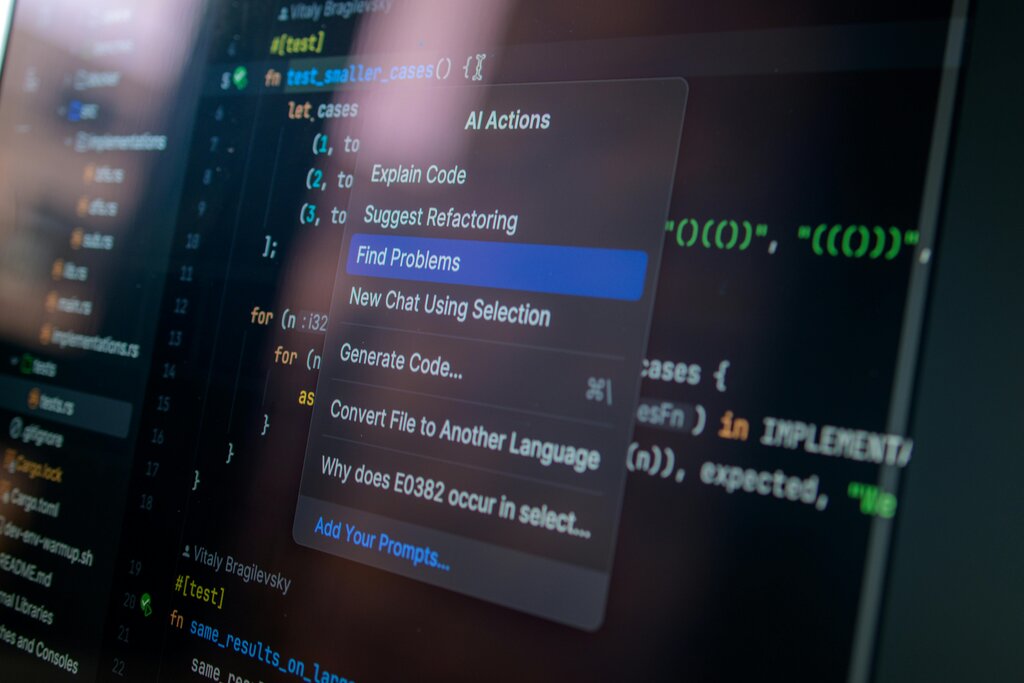
The tech industry's reaction was swift and mixed. On one side, many developers embraced vibe coding as a massive productivity booster. It promised to speed up development cycles, lower the barrier to entry for new programmers, and allow senior developers to focus on higher-level system design rather than tedious implementation details.
On the other side, skepticism arose. Critics questioned the reliability and quality of AI-generated code. Concerns were raised about potential security vulnerabilities, the difficulty of debugging unfamiliar code, and whether an over-reliance on AI could dull a developer's core problem-solving skills. Despite the debate, many organizations began experimenting with vibe coding, integrating AI-assistants into their workflows to see how it could enhance their teams' capabilities.
The core idea is to let the developer focus on the 'what' and the 'why,' while the AI handles the 'how'.
This new paradigm represents a fundamental change in how we interact with machines to build software. It's less about giving direct commands and more about having a creative partnership with an AI.
Ready to check your understanding?
What is the primary concept behind "vibe coding"?
Who is credited with coining the term "vibe coding"?
This shift from writing precise syntax to describing intent is what makes vibe coding a significant development in the world of software engineering.