Vibe Coding Explained
Introduction to Vibe Coding
What Is Vibe Coding?
Instead of meticulously writing every single line of code, imagine describing what you want your program to do in plain English. You have a conversation with an AI, and it generates the code for you. This is the core idea behind vibe coding.
Vibe coding is a way of building software where you express intent in natural language, let an AI (usually a large language model) generate runnable code, and iterate on the live behavior rather than painstakingly authoring every line yourself.
The term was coined by AI researcher Andrej Karpathy in February 2025. It captures the shift from writing precise, syntactic instructions to conveying the general “vibe” or goal of the software you want to create. It's a more fluid, conversational, and experimental way to program.
The Vibe Coding Loop
The engine powering this new approach is the Large Language Model, or LLM. These are complex AI systems trained on enormous datasets, including billions of lines of code from public repositories. This training allows them to understand programming patterns, syntax, and logic across many different languages.
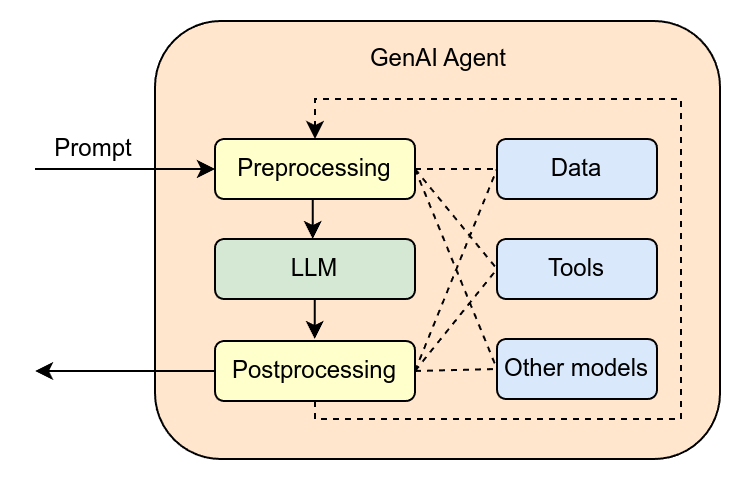
The process itself is a loop. A developer starts with a natural language prompt, the LLM generates a code snippet, and the developer tests it. Based on the result, the developer refines the prompt, and the cycle continues until the desired functionality is achieved.
Benefits and Risks
The most significant advantage of vibe coding is speed. It allows for rapid prototyping and development, as ideas can be turned into functional code in a fraction of the time it would take to write manually. This can lower the barrier to entry for new programmers and help experienced developers build faster.
However, this speed comes with trade-offs. The code generated by an LLM isn't always perfect. It can be inefficient, contain subtle bugs, or have serious security vulnerabilities. The AI might produce code that looks correct but doesn't handle edge cases properly.
Relying too heavily on AI-generated code can also create a knowledge gap. If a developer doesn't understand why the code works, they will struggle to debug, maintain, or improve it later on.
The developer's role shifts from being a manual coder to becoming a director, critic, and quality assurance tester. You still need strong programming fundamentals to guide the AI effectively, spot errors in its output, and integrate the generated pieces into a cohesive, secure, and reliable application.
Let's check your understanding of these core concepts.
What is the central concept of "vibe coding"?
What is the primary technology that powers vibe coding?
Vibe coding is a powerful new paradigm, but it's a tool, not a replacement for a developer's skill and judgment. It changes how we code, but the need for human expertise remains as important as ever.