Vibe Coding Explained
Introduction to Vibe Coding
What Is Vibe Coding?
Instead of writing code line by line, imagine describing what you want an application to do in plain English. You explain the goal, the feel, and the general idea—the "vibe"—and an AI assistant generates the code for you. This is the essence of vibe coding.
Vibe coding is the practice of creating software by describing what you want in natural language, letting artificial intelligence generate the code, and then refining it through conversation.
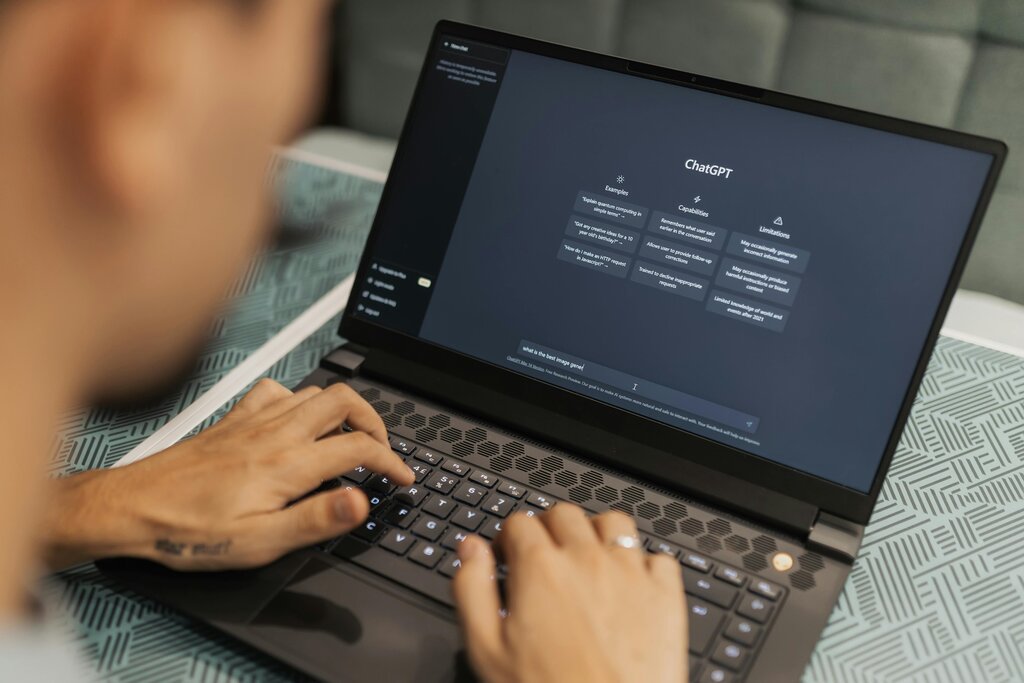
At its heart, vibe coding is a partnership between a human and a Large Language Model (LLM). The developer acts as a director, providing high-level prompts and feedback, while the LLM acts as a fast, tireless programmer, translating those ideas into functional code. The process is less about writing precise syntax and more about clearly communicating intent. You focus on the what, and the AI handles the how.
How It's Different
Traditional programming requires you to be both the architect and the builder. You must know the specific programming language, its syntax, and the logical steps needed to solve a problem. Every semicolon and bracket matters. It's a precise, deterministic process where you are in complete control of every detail.
Vibe coding shifts the developer's role from a writer to an editor or a quality tester. You still need to understand what you want to build, but you don't necessarily need to know how to write the code from scratch. Your main job is to evaluate the AI's output, test it, and provide feedback to refine it until it meets your expectations.
| Aspect | Traditional Coding | Vibe Coding |
|---|---|---|
| Developer's Role | Writes code line by line | Describes intent; refines AI output |
| Process | Deterministic and manual | Iterative and conversational |
| Core Skill | Syntactic knowledge | Clear communication & evaluation |
| Focus | Implementation details | High-level goals and outcomes |
The Upside
The most significant advantage of vibe coding is speed. It can drastically reduce the time it takes to build a prototype or a simple application. Tasks that might take hours of manual coding can be completed in minutes. This speed allows for rapid experimentation and iteration.
It also lowers the barrier to entry. Someone with a great idea but little formal programming experience can now build functional software. This accessibility opens up software development to a much wider audience, empowering entrepreneurs, designers, and hobbyists to bring their visions to life.
By focusing on outcomes rather than syntax, vibe coding allows developers to stay in a creative flow and build momentum quickly.
The Risks
Despite its benefits, vibe coding comes with significant risks. Since the developer may not understand the generated code line by line, it can be difficult to spot subtle bugs, security vulnerabilities, or inefficient logic. An LLM might produce code that works but is poorly structured, making it a nightmare to maintain or update later.
There's also the risk of over-reliance. If developers use AI as a crutch without understanding the fundamentals, they may struggle to solve complex problems or debug issues when the AI fails. The code produced by LLMs can sometimes be generic or contain hidden flaws that only become apparent when the application is under stress.
Vibe coding is a powerful new paradigm, but it's a tool that requires judgment. It can accelerate development and unlock creativity, but it doesn't eliminate the need for careful oversight and a solid understanding of software principles.