Vibe Coding Explained
Introduction to Vibe Coding
What Is Vibe Coding?
Instead of writing code line by line, what if you could just describe what you want an application to do and have the code appear? That’s the core idea behind vibe coding. It’s a new way to develop software by using natural language to instruct an AI, which then generates the code for you.
The term was coined by Andrej Karpathy in February 2025 to describe this conversational and iterative process. You give the AI a prompt, it writes the code, you test it, and then you refine your instructions until the program works exactly as you intended.
Vibe coding is a new programming approach where, instead of writing code manually in a programming language, a developer (or even a non-developer) interacts with an AI, typically a large language model (LLM), to generate the code.
This method relies on powerful AI systems that have been trained on massive amounts of existing code and text from the internet. They can understand context, programming patterns, and human language to translate a simple request into functional source code.
The AI Behind the Vibe
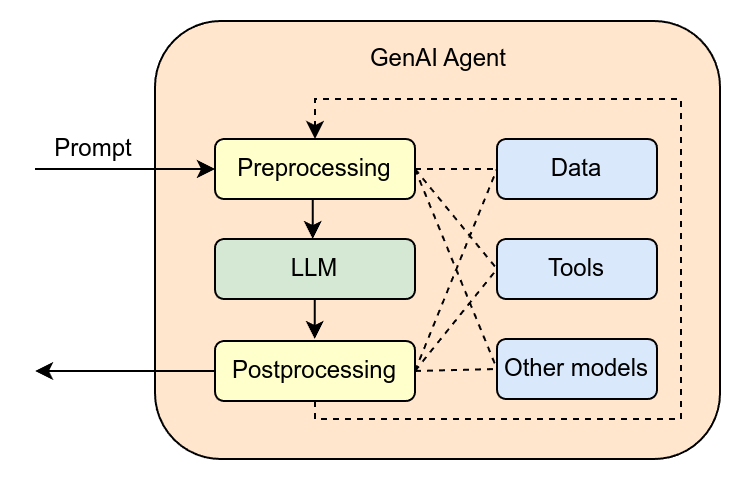
The engine driving vibe coding is the Large Language Model, or LLM. Think of an LLM as a highly advanced autocomplete. It's a neural network that has analyzed billions of examples of text and code, learning the relationships between words, syntax, and programming logic.
When you give an LLM a prompt like, "Create a Python function that takes a list of numbers and returns the average," it doesn't 'understand' the request in a human sense. Instead, it predicts the most probable sequence of code that would follow such a description, based on all the examples it has seen before. The result is a piece of code that, in many cases, does exactly what you asked for.

A New Role for Developers
Vibe coding doesn't make developers obsolete, but it does change their job. The focus shifts away from manual, line-by-line coding and moves toward high-level guidance, testing, and refinement.
Instead of being just a writer of code, the developer becomes more of an architect and a quality assurance expert. Their main tasks involve crafting clear prompts, evaluating the AI's output for correctness and efficiency, debugging any issues, and integrating the generated code into a larger project. It’s less about knowing the exact syntax and more about clearly articulating the goal and spotting potential problems.
Advantages and Concerns
Like any new technology, vibe coding comes with a mix of powerful benefits and potential downsides. It has the potential to dramatically speed up development and open up software creation to more people.
However, this speed and accessibility come with trade-offs. Relying on AI-generated code means developers must be extra vigilant about checking for errors, security flaws, and long-term maintainability issues that the AI might not consider.
| Advantages | Criticisms & Concerns |
|---|---|
| Increased Speed: Rapidly generates boilerplate code and entire functions. | Code Quality: Can produce buggy, inefficient, or incorrect code. |
| Democratizes Coding: Lowers the barrier for people without a deep programming background. | Maintainability: AI-generated code can be difficult for humans to understand and modify later. |
| Boosts Prototyping: Allows for quick creation of functional prototypes to test ideas. | Security Risks: May introduce vulnerabilities if the AI is trained on insecure code examples. |
| Aids Learning: Can help new programmers by showing them examples of how to solve problems. | Over-reliance: Developers might lose fundamental coding skills by relying too much on AI. |
Time to review what we've covered.
Now let's check your understanding.
What is the core concept of "vibe coding"?
According to the text, the primary technology that powers vibe coding is the Large Language Model (LLM).
Vibe coding is a significant shift in software development, turning the process into a collaboration between human and machine. By understanding its core principles, benefits, and risks, developers can better navigate this evolving landscape.