Vibe Coding Explained
Introduction to Vibe Coding
What is Vibe Coding?
Imagine you have a great idea for a mobile app. In the past, your next step would be to either spend months learning a programming language or hire a developer. Vibe coding offers a third path. Instead of writing precise, line-by-line instructions, you simply describe your idea to an AI in plain English. You focus on the goal, the feel, the 'vibe'—and the AI handles the technical details.
Think of it like working with a skilled translator. You know what you want to say, and the translator figures out the right words and grammar in a foreign language. In vibe coding, the AI is your translator, turning your everyday language into the structured language of code.
Vibe coding is an AI-powered, conversational approach to development where the programmer describes what they want in natural language, and the AI generates executable code to match that intent.
This method shifts the focus from writing syntax to expressing intent. The process becomes a creative dialogue between human and machine. This new approach emerged recently with the rise of powerful large language models (LLMs) capable of understanding context and generating complex code, making software creation more accessible than ever before.
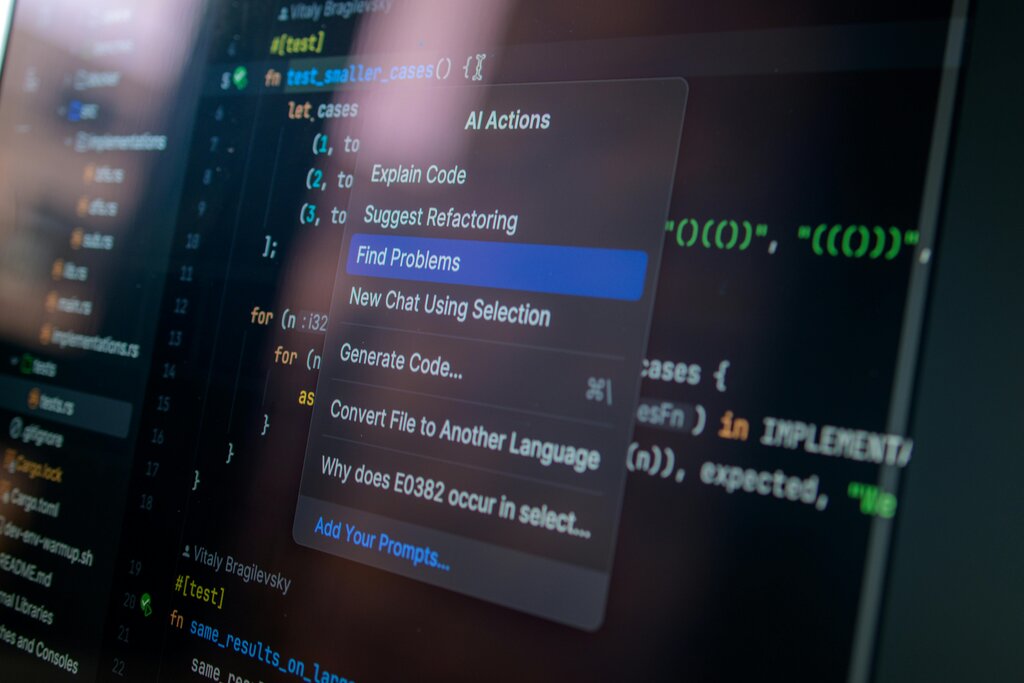
A New Way to Build
Traditional coding is like writing a detailed recipe. Every step must be precise and in the correct order. If you forget an ingredient or list a step incorrectly, the final dish won't turn out right. It requires a deep understanding of specific rules and syntax.
Vibe coding is more like a conversation. You tell the AI what you want to build, and it produces a first draft. You then test it and provide feedback. Maybe the button should be larger, or the text a different color. You refine your vision through this back-and-forth process, with the AI making adjustments until the result matches your intent.
This iterative cycle makes development feel more like sculpting than engineering. You start with a rough block and slowly chip away, refining the details until your idea takes shape.
Coding for Everyone
Perhaps the most significant impact of vibe coding is its power to democratize software development. It lowers the barrier to entry, empowering people without a technical background to build their own tools and bring their ideas to life. A designer can prototype an interactive website, a scientist can build a tool to analyze data, and a small business owner can create a custom booking system, all without writing a single line of traditional code.
But it's not just for beginners. Experienced developers also use vibe coding to accelerate their workflow. It can automate repetitive tasks, generate boilerplate code, and help brainstorm solutions to complex problems, freeing them up to focus on higher-level architecture and design.
| Feature | Traditional Coding | Vibe Coding |
|---|---|---|
| Primary Skill | Syntax & Logic | Communication & Vision |
| Process | Writing precise instructions | Conversational refinement |
| Barrier to Entry | High | Low |
| Initial Speed | Slower, more deliberate | Fast prototyping |
| Human Role | Author | Director / Editor |
Vibe coding isn't replacing traditional programming, but rather complementing it. It's a new tool in the toolbox that makes creating software more intuitive, collaborative, and accessible to a much wider audience.
What is the primary focus when using "vibe coding"?
The passage compares traditional coding to writing a detailed recipe. What is vibe coding compared to?