Vibe Coding Explained
Introduction to Vibe Coding
Coding with a Conversation
Imagine telling a story to your computer and having it write the software for you. That's the basic idea behind vibe coding. It's a new way to build software where you have a conversation with an AI, describing what you want your program to do in plain English.
Instead of writing every line of code yourself, you provide a high-level description—a 'vibe'—and a Large Language Model (LLM) generates the source code to match your intent.
This isn't a one-and-done process. You might start by asking for a simple web page. The AI writes the code, and you test it. Maybe the colors are wrong, or a button doesn't work. You then go back to the AI and say, "Change the background to blue," or "Make that button bigger." It's an iterative cycle of describing, generating, and refining.
Vibe coding, a term coined by Andrej Karpathy in February 2025, has quickly become a compelling and controversial natural language programming paradigm in AI-assisted software development.
The focus shifts from perfect syntax to clear communication and rapid experimentation.
Traditional vs. Vibe Coding
Traditional programming is like being an architect and a construction worker at the same time. You design the blueprint (the logic) and then lay every single brick (write every line of code) precisely. It requires deep knowledge of a programming language's grammar and structure.
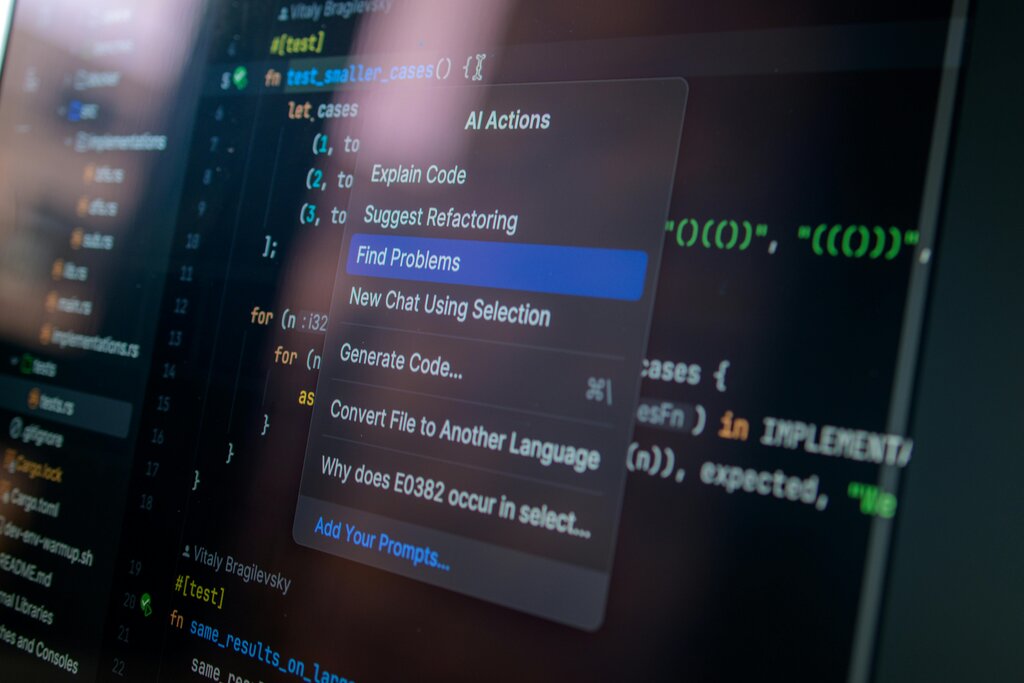
Vibe coding is more like directing a team of skilled builders. You explain your vision for the building, and they handle the construction. Your job is to inspect their work, point out what needs to be changed, and guide the project to completion. You still need to understand architecture, but you're not laying the bricks yourself. Here's how they stack up:
| Feature | Traditional Coding | Vibe Coding |
|---|---|---|
| Developer's Role | Author & Implementer | Director & Reviewer |
| Process | Manual, line-by-line | Conversational, iterative |
| Primary Skill | Syntactical precision | Clear communication of intent |
| Focus | Code structure and correctness | Desired outcome and behavior |
Benefits and Challenges
Like any new approach, vibe coding comes with its own set of advantages and hurdles.
One of the biggest benefits is speed. Prototyping an idea can be incredibly fast. Instead of spending hours writing boilerplate code, you can get a functional version up and running quickly. This also lowers the barrier to entry. Someone with a great idea but limited coding experience can start building things that were previously out of reach.
However, it's not a magic wand. The AI can misunderstand your instructions and generate code that is buggy, inefficient, or just plain wrong. A developer still needs the skills to read, understand, and debug the generated code. Finding the source of a problem in code you didn't write yourself can be a significant challenge.
The key is to see the AI as a powerful assistant, not a replacement for a developer's expertise. It accelerates the process but doesn't remove the need for human oversight and critical thinking.
Ready to check your understanding?
What is the core idea of 'vibe coding'?
The analogy in the text compares traditional programming to being an 'architect and a construction worker'. What is vibe coding compared to?
Vibe coding represents a fundamental shift in how we interact with computers to create software. It's an evolving field, but one that's already changing the landscape of development.