Vibe Coding Explained
Introduction to Vibe Coding
A New Way to Code
Imagine building software by having a conversation. Instead of writing lines of code yourself, you describe what you want to an AI, and it handles the complex syntax. This is the core idea behind vibe coding.
Vibe coding is a way of building software where you express intent in natural language, let an AI (usually a large language model) generate runnable code, and iterate on the live behavior rather than painstakingly authoring every line yourself.
The term was introduced by AI researcher Andrej Karpathy in early 2025. It captures a more intuitive, experimental approach to programming. The developer's main job shifts from writing code to providing clear instructions and giving feedback to a Large Language Model (LLM). You focus on the 'vibe'—the overall goal and feel of the project—while the AI manages the technical details.
The LLM as Your Partner
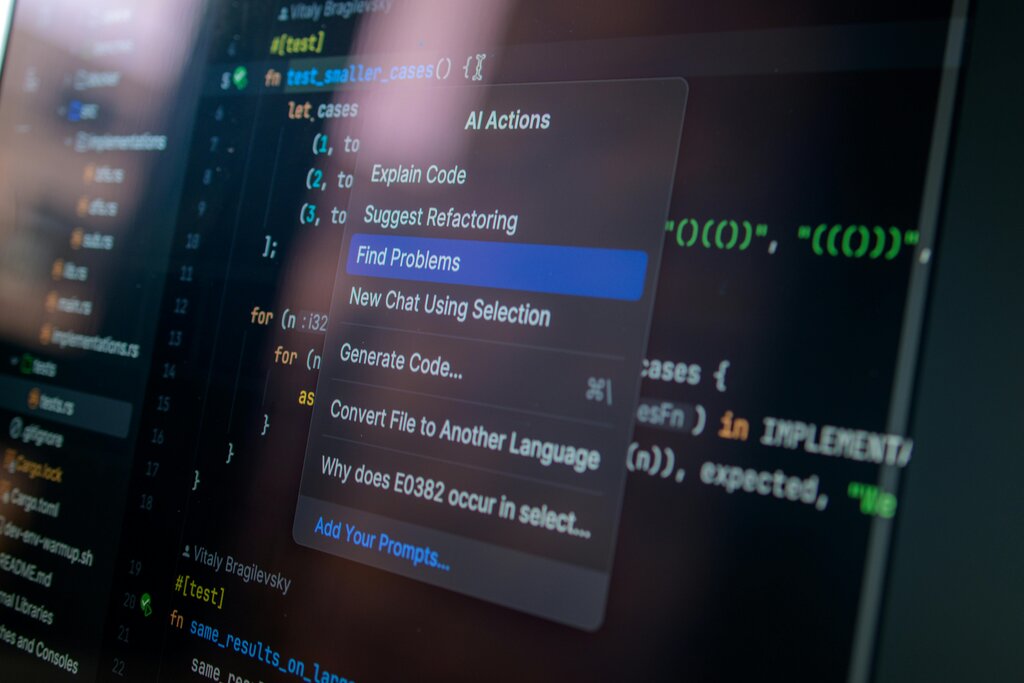
Large Language Models are the engines that make vibe coding possible. These are complex AI systems trained on vast amounts of text and code. They can understand natural language prompts and translate them into functional code in languages like Python, JavaScript, or C++.
The process is a feedback loop. You give the LLM a prompt, it generates code, and you test it. If it’s not quite right, you don't rewrite the code. Instead, you refine your prompt. For example, you might say, "That's a good start, but can you add a button that turns the background blue?"
A Different Mindset
Traditional software development is precise and methodical. Programmers learn strict syntax and logic to build applications line by line. Debugging involves hunting down specific errors in the code, like a misplaced semicolon or a faulty algorithm.
Vibe coding is more like directing a creative project. The emphasis is on communication and iteration. You don't need to know the exact syntax, but you do need a clear vision of what you want to build. The challenge is in crafting prompts that the AI can understand and act upon effectively.
| Aspect | Traditional Coding | Vibe Coding |
|---|---|---|
| Primary Skill | Syntax & Logic | Communication & Vision |
| Process | Writing code line-by-line | Describing outcomes in prompts |
| Unit of Work | A function or class | A conversational turn |
| Debugging | Finding errors in code | Refining prompts to fix output |
| Barrier to Entry | High (requires learning a language) | Low (requires clear ideas) |
This new approach opens the door for many people who have ideas but lack formal programming training. An artist could create an interactive web portfolio, or a small business owner could build a simple inventory tracker, all through conversation. It lowers the barrier to entry, making software creation more accessible than ever before.
The focus shifts from how to write the code to what the code should accomplish.
Now, let's test your understanding of these core concepts.
What is the primary role of a developer when engaged in "vibe coding"?
In the vibe coding workflow, what is the recommended action if the AI-generated code is not correct?
Vibe coding represents a significant shift, turning software development into a collaborative dialogue between human and machine. While it won't replace traditional programming entirely, it provides a powerful new tool for creation and problem-solving.