Vibe Coding Explained
Introduction to Vibe Coding
What is Vibe Coding?
Instead of writing code line by line, what if you could just describe what you want an application to do? That’s the core idea behind vibe coding. It's a way of developing software where you use natural, everyday language to instruct an AI, which then generates the code for you.
Vibe coding is an AI-powered, conversational approach to development where the programmer describes what they want in natural language, and the AI generates executable code to match that intent.
The term was coined by AI researcher Andrej Karpathy in early 2025. It captures a shift in the developer's role from a meticulous writer of code to a director of intent. You focus on the 'vibe'—the high-level goal, the user experience, and the overall feel—while the AI handles the syntax and boilerplate.
Your AI Co-Pilot
The engine powering vibe coding is a Large Language Model (LLM), a type of AI trained on vast amounts of text and code. You give the LLM a prompt, and it translates your request into a functional snippet of code. This process is iterative. You might start with a simple request, see the result, and then refine it through conversation.
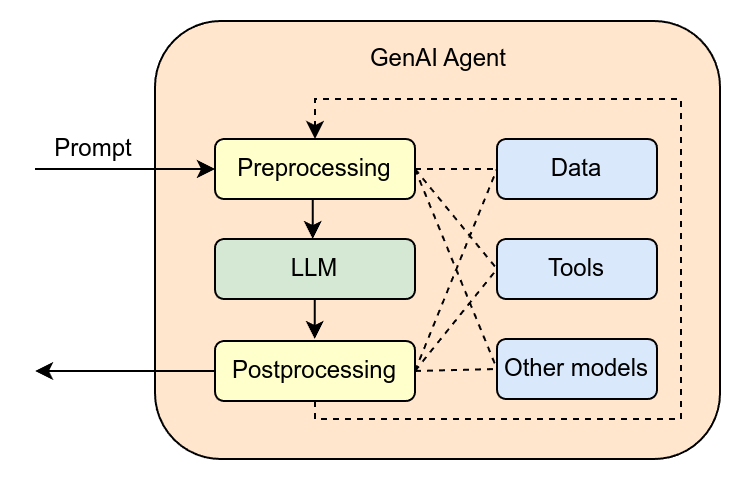
Think of it like working with a highly skilled but very literal assistant. You provide the creative direction and the high-level strategy. The AI assistant takes your instructions and handles the technical implementation. Your job is to guide, review, and test the output until it matches your vision.
A New Way to Build
Traditional coding requires deep knowledge of specific programming languages, syntax, and frameworks. It’s a precise, structured process. Vibe coding is more intuitive and experimental. It prioritizes speed and iteration over perfect, handcrafted code from the start.
| Feature | Traditional Coding | Vibe Coding |
|---|---|---|
| Developer's Role | Code Author | Creative Director |
| Primary Skill | Syntactic Precision | Clear Communication |
| Process | Linear, structured | Iterative, conversational |
| Focus | How the code is written | What the code should do |
| Speed | Deliberate and methodical | Rapid and experimental |
This doesn't mean technical skill is obsolete. A developer's expertise is still crucial for crafting effective prompts, identifying flawed or inefficient AI output, and weaving the generated code into a larger, coherent application. The nature of the skill, however, is evolving.
Why Vibe?
The shift towards vibe coding offers some powerful advantages, especially for getting new ideas off the ground.
Rapid Prototyping: Have an idea for a new app? You can build a working prototype in a fraction of the time it would take traditionally. This allows for quick validation of concepts without a massive upfront investment of time.
Enhanced Creativity: By handling the tedious parts of coding, AI frees up developers to focus on bigger-picture problems and experiment more freely. The cost of trying a new approach is much lower when the initial code can be generated in seconds.
Greater Accessibility: Vibe coding lowers the barrier to entry for software development. Individuals with great ideas but limited formal programming training can start building and bringing their visions to life.
Ultimately, vibe coding helps democratize software creation, making it more accessible to a wider range of creators and problem-solvers.
Now, let's test what you've learned about this new approach to development.
What is the core idea behind 'vibe coding'?
In the context of vibe coding, the developer's role shifts from a meticulous writer of code to a _______.
Vibe coding represents a significant change in how we build software. By partnering with AI, developers can work faster, explore more creative ideas, and focus on what truly matters: building great products.