Vibe Coding Explained
Introduction to Vibe Coding
Coding with Conversation
Imagine telling a story to a friend. You describe the characters, the setting, and what you want to happen. Now, what if you could do the same thing to build a piece of software? Instead of writing lines of code in a specific programming language, you describe your idea in plain English. That's the core idea behind vibe coding.
Vibe coding is a conversational way to build software in which you describe intent, tone, and constraints, and the AI generates runnable code that you refine.
It’s a partnership between a human and an artificial intelligence. The human provides the vision, the creative direction, and the high-level goals. The AI acts as a super-fast, knowledgeable assistant, translating those ideas into functional code. This process shifts the developer's role from a writer of precise syntax to a director of intent. You focus more on what the software should do and how it should feel, and less on the nitty-gritty details of implementation.
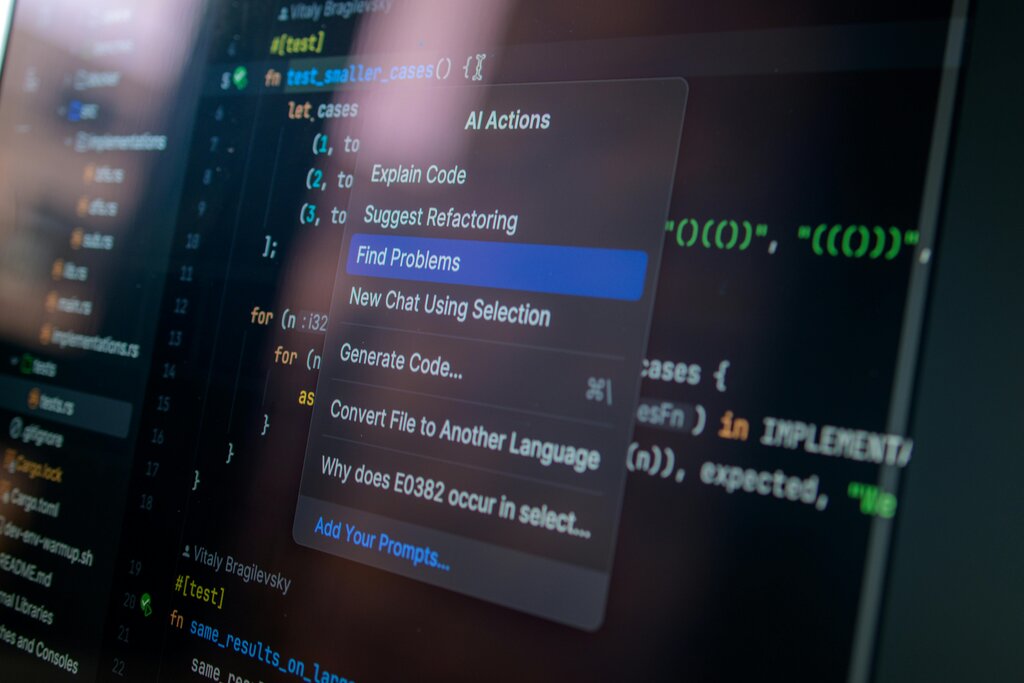
From Autocomplete to Creation
Vibe coding didn't appear out of nowhere. It’s the next logical step in a long evolution of tools designed to make programming easier. For years, developers have used features like syntax highlighting and autocomplete, which suggest how to finish a line of code. Think of these as helpful nudges.
AI-powered tools took this a step further. Assistants like GitHub Copilot, trained on billions of lines of code, could suggest entire functions or blocks of code based on a simple comment. This was a huge leap in productivity.
Vibe coding pushes this boundary even further. Instead of just suggesting code within an existing file, it allows for a back-and-forth dialogue. A developer can ask the AI to create an entire feature, test it, identify bugs, and even suggest improvements, all through a conversational interface. The AI becomes less of a tool and more of a collaborative partner in the creative process.
A New Way to Build
So how does this new approach stack up against the way software has been built for decades? The fundamental difference lies in abstraction. Traditional coding requires you to learn and write in a language the computer understands directly. Vibe coding lets you work at a much higher level, using the language you already know.
Here’s a breakdown of the key differences:
| Feature | Traditional Coding | Vibe Coding |
|---|---|---|
| Primary Skill | Syntax & Logic | Prompting & Intent |
| Process | Write, compile, debug | Describe, generate, refine |
| Interaction | Human to computer | Human to AI to computer |
| Starting Point | Blank file, specific language | Natural language idea |
| Focus | How to implement a solution | What the solution should be |
Vibe coding doesn't replace the need for programming knowledge. Understanding the fundamentals helps you ask better questions and guide the AI more effectively. But it does lower the barrier to entry, allowing people with great ideas but less technical experience to start building. It’s a shift from being just an architect to being an architect with a highly skilled construction crew on call.
Ready to check your understanding?
What is the core idea behind 'vibe coding'?
How does the role of a developer change when using vibe coding compared to traditional coding?
This new method changes the dynamic of software creation, blending human creativity with the raw processing power of AI.