Vibe Coding Explained
Introduction to Vibe Coding
Coding by Conversation
Imagine you're a software developer with a brilliant idea. Instead of opening a code editor and typing line after line of precise syntax, you start a conversation. You describe what you want to build in plain English, outlining the features and the general 'vibe' of the application. An AI assistant listens, understands, and starts generating the necessary code for you. This is the essence of vibe coding.
Vibe coding is a new programming paradigm in which human engineers instruct large language model (LLM) agents to complete complex coding tasks with little supervision.
The term was introduced by OpenAI co-founder Andrej Karpathy in early 2025. It describes a shift from writing code manually to guiding a generative AI model. The developer's role changes from a meticulous writer of code to a director of an AI partner, focusing on the high-level logic and desired outcomes. The process is iterative—you provide feedback, ask for changes, and refine the AI's output until it matches your vision.
How It Differs
Traditional software development is a structured, hands-on process. A developer must have deep knowledge of specific programming languages, frameworks, and syntax. They spend their time writing, testing, and debugging code line by line. Methodologies like Agile or Waterfall provide a framework for this manual process, breaking down large projects into manageable tasks.
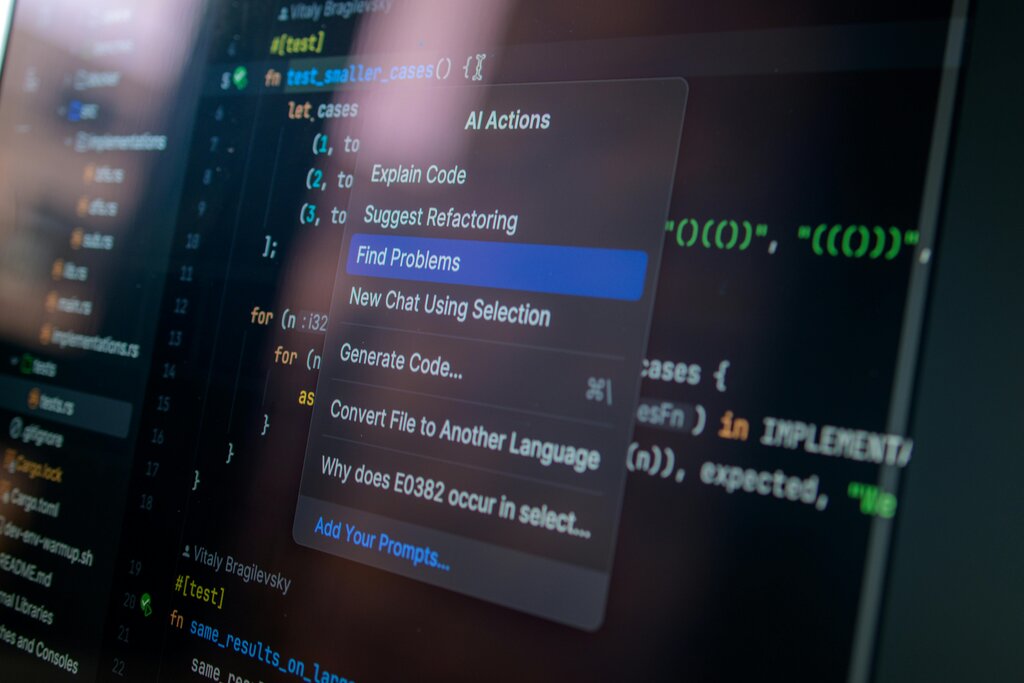
Vibe coding turns this process on its head. The focus is less on the syntax and more on the concept. It's a more experimental and conversational approach, where the developer and AI work together in a rapid feedback loop. This doesn't eliminate the need for technical expertise—a developer still needs to understand the generated code to verify its quality, security, and efficiency. However, it significantly accelerates the initial creation process.
| Feature | Traditional Coding | Vibe Coding |
|---|---|---|
| Primary Skill | Manual code writing, syntax | Prompt engineering, code review |
| Process | Structured, step-by-step | Conversational, iterative |
| Developer's Role | Coder, builder | Director, validator |
| Initial Speed | Slower, detail-oriented | Faster prototyping |
| Tools | IDEs, compilers, debuggers | LLMs, AI assistants, IDEs |
Reception and Adoption
The rise of vibe coding has been met with both excitement and skepticism. Proponents see it as a massive productivity booster. It can lower the barrier to entry for new programmers and allow senior developers to prototype ideas at lightning speed. Startups and tech giants alike have quickly started integrating AI-powered coding assistants into their workflows to explore these benefits.
For many, vibe coding is not a replacement for traditional programming but a powerful new tool in the developer's toolkit, best suited for rapid development and exploring new ideas.
Critics, however, raise valid concerns. There's a risk of developers becoming overly reliant on AI, potentially leading to a decline in fundamental coding skills. They also point to issues with the quality, security, and potential biases of AI-generated code, which requires careful human oversight. Despite the debate, it's clear that AI is fundamentally changing the landscape of software development.
Ready to test your understanding? Let's see what you've learned.
What is the core concept of 'vibe coding'?
According to the text, how does a developer's role change with vibe coding?
This new way of building software represents a significant shift, placing human creativity and direction at the center of an increasingly automated process.