Vibe Coding Explained
Introduction to Vibe Coding
Coding with a Vibe
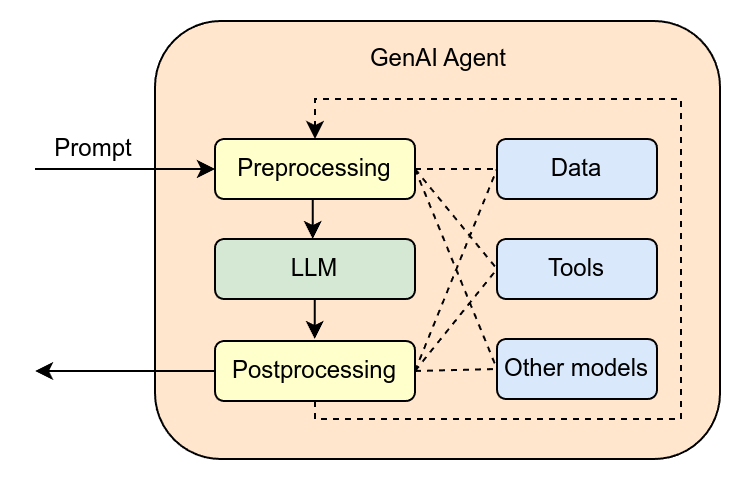
Imagine telling a story to an expert programmer who instantly translates your ideas into functional code. That’s the core idea behind vibe coding. It’s a way of building software by having a conversation with an artificial intelligence, specifically a large language model (LLM).
Vibe coding is a way of building software by directing an AI to produce runnable code from plain-English instructions, shifting your role from typing syntax to shaping intent, UX, and edge cases.
Instead of meticulously writing every line of code, the developer describes the goal in natural language. The AI then generates the code, and the developer's job becomes guiding the AI, testing the output, and refining the results. It's a partnership where the human provides the vision and the AI handles the technical implementation.
The term itself is relatively new. It was introduced by AI researcher Andrej Karpathy in February 2025 and quickly captured the attention of the software development world. The name reflects the process: you're not just defining technical specifications, you're also conveying the overall 'vibe' of the desired product—its style, tone, and feel.
Key Principles
Vibe coding operates on a few key principles that set it apart from traditional programming.
It’s an interactive and iterative dialogue. You provide a prompt, the AI provides code, and you refine your instructions based on the output. This back-and-forth continues until the software meets your expectations.
The focus is on intent, not syntax. You describe what you want the software to do, leaving the how to the AI. This allows developers to concentrate on the bigger picture, like user experience and core logic, rather than getting bogged down in the minutiae of semicolons and parentheses.
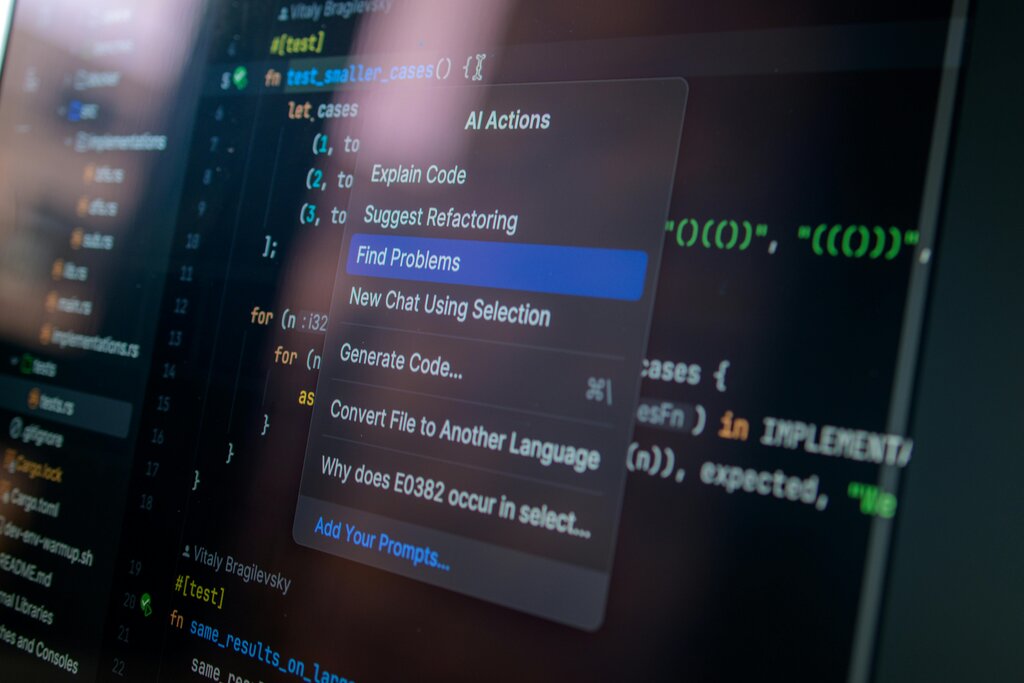
Finally, vibe coding is often more holistic. You can describe not just what a button should do, but what it should feel like. For example, you might ask for a button that feels 'playful' or a user interface that is 'calm and minimal.' The AI interprets these qualitative descriptors to influence the final code.
How It's Different
The shift from traditional coding to vibe coding changes the fundamental role of the developer. While both aim to create software, the processes and required skills are distinct.
| Feature | Traditional Coding | Vibe Coding |
|---|---|---|
| Developer's Role | Coder, architect, debugger | Director, prompter, tester |
| Primary Skill | Syntactical knowledge | Communication & intent articulation |
| Process | Manual, line-by-line creation | Conversational and iterative |
| Focus | Implementation details | High-level goals and user experience |
| Output | Directly written by human | Co-created with an AI partner |
Traditional coding requires deep knowledge of a programming language's rules and structure. Vibe coding, on the other hand, elevates the importance of clear communication, creativity, and the ability to effectively guide an AI to a desired outcome. It’s less about knowing the right command and more about asking the right question.
Ready to check your understanding? Let's see what you've learned.
What is the primary role of a developer when using the "vibe coding" methodology?
Vibe coding emphasizes a shift in focus from ______ to ______.
This new approach represents a significant change in how we think about creating software, emphasizing human creativity and vision in a new partnership with artificial intelligence.