Vibe Coding Essentials
Introduction to Vibe Coding
What Is Vibe Coding?
Instead of writing code line by line, imagine describing what you want an application to do in plain English. You have a conversation with an AI, refining your idea, and the AI generates the code for you. This new approach to software development is called vibe coding.
Vibe coding is a way of building software where you express intent in natural language, let an AI (usually a large language model) generate runnable code, and iterate on the live behavior rather than painstakingly authoring every line yourself.
At the heart of vibe coding are large language models, or LLMs. These are complex AI systems trained on vast amounts of text and code. They can understand the nuances of human language and translate a developer's high-level description—the "vibe"—into functional code. The term was first introduced by computer scientist Andrej Karpathy in February 2025 and has quickly gained traction.
A New Way to Build
Traditional programming requires you to be a skilled translator. You take an idea and manually convert it into a language the computer understands, like Python or JavaScript. This means mastering strict syntax, logic, and structure. A single misplaced semicolon can break everything.
Vibe coding flips this process. The developer focuses on the what—the goal, the user experience, the overall feel. The LLM handles the how—the specific syntax and implementation. The process becomes a series of prompts and feedback, where the developer guides the AI, experiments with the results, and refines the application iteratively.
| Feature | Traditional Coding | Vibe Coding |
|---|---|---|
| Developer's Role | Write precise, line-by-line code | Describe intent and provide feedback |
| Process | Manual, structured, and detail-oriented | Conversational, iterative, and experimental |
| Required Skill | Deep knowledge of a programming language | Clear communication and a strong vision |
| Focus | Syntax and implementation | The end product and user experience |
This doesn't make the developer's role obsolete. Instead, it changes it. The job becomes less about being a meticulous scribe and more about being an architect or a director, guiding an incredibly fast but literal-minded assistant.
Coding for Everyone
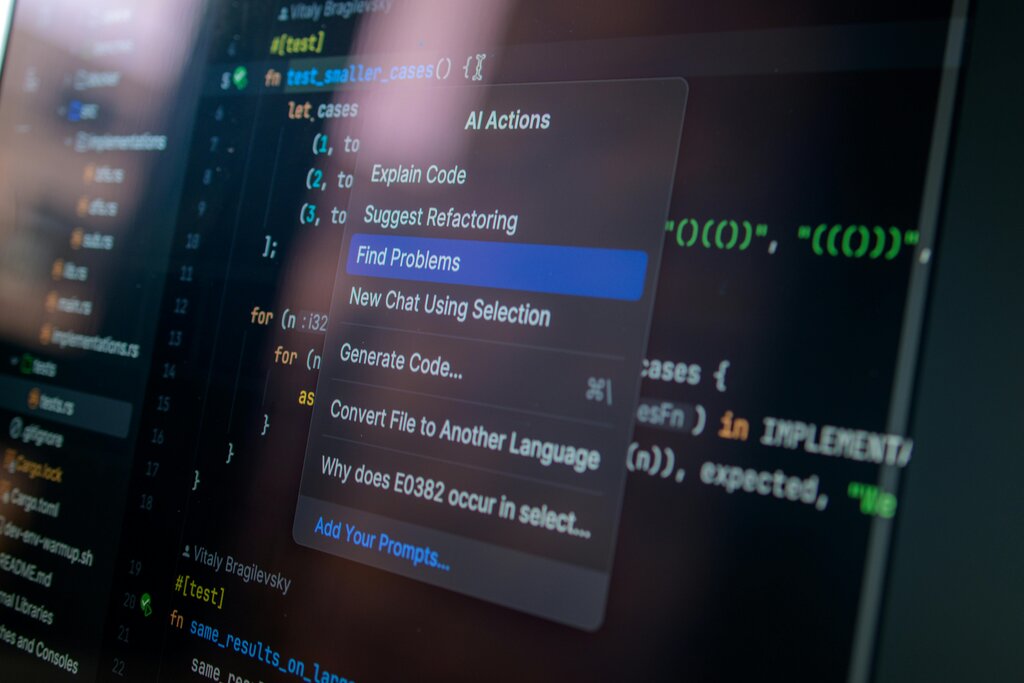
One of the most exciting aspects of vibe coding is its potential to lower the barrier to entry for creating software. You no longer need years of specialized training to build a simple app or automate a task. If you can clearly describe your idea, you can start bringing it to life.
This opens up software development to entrepreneurs, designers, scientists, and hobbyists who have great ideas but lack the coding background to execute them. It shifts the core skill from memorizing syntax to creative problem-solving and clear communication.
The focus moves from writing code to shaping a product. You're iterating on the live result, not just the source code.
Now, let's test your understanding of these core concepts.
What is the central idea behind "vibe coding"?
According to the text, what is the core technology that enables vibe coding?
Vibe coding represents a significant shift in how we think about building software. By leveraging the power of AI, it makes development more accessible and allows creators to focus more on their vision and less on the technical weeds.