Vibe Coding Demystified
Introduction to Vibe Coding
Programming with a Vibe
Imagine telling a story to a computer and having it write the code for you. That's the core idea behind vibe coding. It’s a new way to program where you describe what you want to build in plain English, and an AI assistant, usually a large language model (LLM), generates the code.
Vibe coding is a way of building software by directing an AI to produce runnable code from plain-English instructions, shifting your role from typing syntax to shaping intent, UX, and edge cases.
Instead of meticulously writing every line of code, the developer acts more like a director. You provide the vision, the mood, and the high-level goals. The AI handles the syntax and boilerplate. The process becomes a conversation—a series of prompts and refinements until the software matches your intent. This approach turns coding into a more fluid and experimental process, focusing on the "what" rather than the "how."
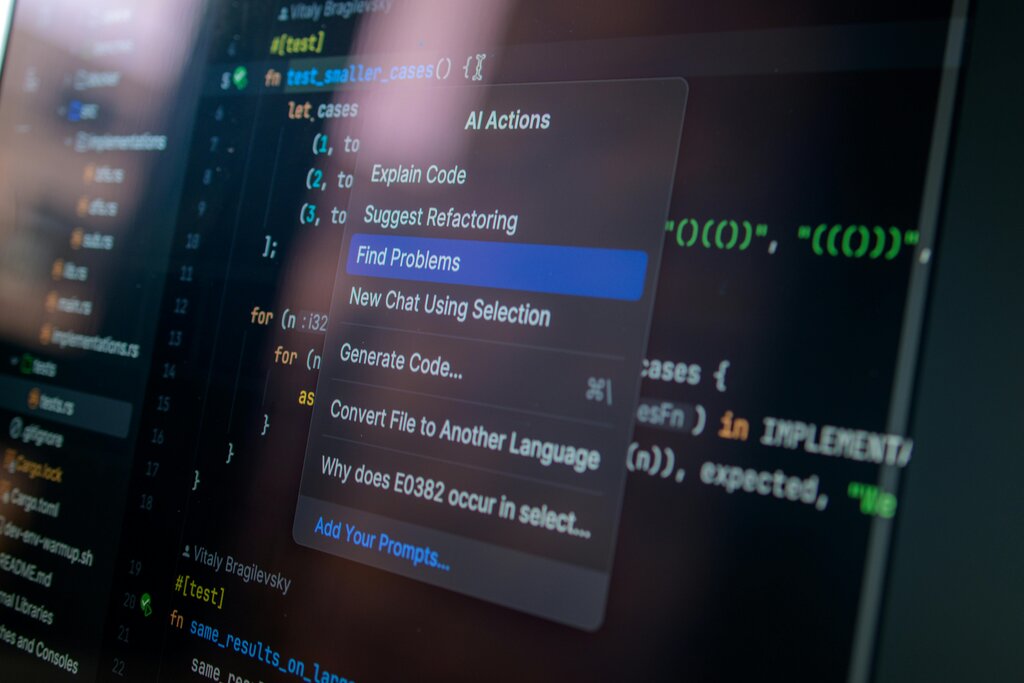
How It Works
The vibe coding workflow is fundamentally different from traditional development. It's less about strict, linear logic and more about iterative exploration. The cycle typically looks like this:
This back-and-forth feels more like brainstorming with a partner than writing instructions for a machine. You might ask the AI to "create a simple website with a playful, retro vibe" or "write a Python script to sort my photos by date." The AI provides a starting point, and you guide it with feedback like, "make the colors brighter" or "add error handling for when a file is missing."
The Good and The Bad
Like any new technology, vibe coding comes with a mix of powerful advantages and significant drawbacks.
One of the biggest benefits is speed. Vibe coding allows for incredibly rapid prototyping. Ideas can be turned into functional code in minutes, not hours or days. This makes programming more accessible to people without deep technical expertise, like designers, writers, or entrepreneurs who want to build a quick proof of concept.
It also encourages creative exploration. Since the cost of trying a new idea is low, developers are free to experiment with different approaches without investing a lot of time in manual coding.
However, this speed comes at a price. The code generated by an AI is not always perfect. It can be inefficient, buggy, or contain security vulnerabilities. A developer who relies on vibe coding without understanding the underlying code is essentially flying blind. They might deploy an application with critical flaws they don't know how to fix.
| Pros | Cons |
|---|---|
| Speed: Rapidly create prototypes. | Quality: Code can be buggy or inefficient. |
| Accessibility: Lowers the barrier to entry. | Security: May introduce hidden vulnerabilities. |
| Creativity: Encourages experimentation. | Maintainability: Hard to fix what you don't understand. |
| Efficiency: Automates tedious tasks. | Over-reliance: Discourages learning fundamentals. |
The core challenge is balancing the convenience of AI with the responsibility of creating robust, secure software. Vibe coding is a powerful tool, but it works best when the person using it has enough knowledge to guide the AI effectively and critically evaluate its output.
What is the central concept of "vibe coding"?
In the vibe coding workflow, the developer's role shifts from a meticulous coder to more of a...
Ultimately, vibe coding represents a shift in the role of the developer—from a writer of code to a manager of intent.