Vet Charities for Maximum Impact
Understanding Philanthropic Goals
Start with Your Values
Effective giving isn't just about the amount on the check; it's about the meaning behind it. Before you even think about which organization to support, the most important first step is to look inward. What do you truly care about? What problems in the world resonate with you on a personal level?
Think of your values as your philanthropic compass. They guide your decisions and ensure your contributions create an impact that feels meaningful to you. Do you value education, environmental protection, animal welfare, or social justice? Maybe you feel a strong connection to your local community, or perhaps you're drawn to global health issues. There are no right or wrong answers. The goal is to identify the core principles that will anchor your giving strategy.
Creating a giving mission statement helps you focus on issues you care about most and want to support.
Jotting down a list of your top three to five values can bring immediate clarity. This simple exercise helps you move from a vague desire to "do good" to a more focused understanding of what "good" means to you.
Set Clear Goals
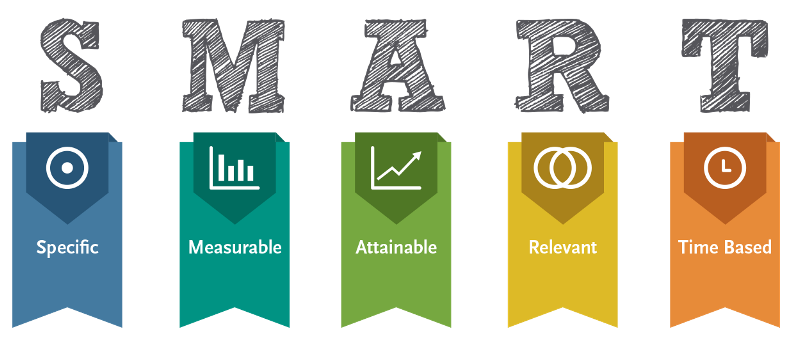
Once you've identified your core values, the next step is to translate them into actionable goals. A value like "supporting education" is a great starting point, but it's too broad to guide your giving effectively. A clear goal sharpens your focus.
To make your goals clearer, ask yourself more specific questions:
- Who do I want to help? Are you passionate about early childhood literacy, scholarships for first-generation college students, or job training for adults?
- Where do I want to make a difference? Do you want to focus on your own neighborhood, your country, or a specific region of the world?
- What kind of change do I want to support? Are you interested in funding direct services, like tutoring, or advocating for policy changes that improve the education system?
A goal like "I want to support programs that improve reading skills for elementary school students in my city" is much more powerful than simply "I value education."
Picture Your Impact
Finally, think about the impact you want to have. This isn't just about what your money does, but about the ultimate change you hope to create. It's the difference between an activity and an outcome.
For example, a donation might pay for 100 meals at a soup kitchen. That's the activity. The desired outcome, however, might be reducing food insecurity and improving the health of people in that community. Another donation might fund the planting of 500 trees (the activity), with the goal of restoring a local ecosystem and improving air quality (the outcome).
Thinking about your desired impact helps you ask better questions when you eventually look at specific charities. It shifts your mindset from "What does this organization do?" to "Does this organization achieve the kind of change I want to see in the world?"
According to the principles of effective giving, what is the most important first step before choosing an organization to support?
A donation is used to fund the purchase of 1,000 textbooks for a school. The ultimate goal is to improve literacy rates in the community. The purchase of the textbooks represents the ________.
By clarifying your values, setting specific goals, and envisioning your desired impact, you build a strong foundation. This personal framework makes your giving more intentional, effective, and ultimately, more fulfilling.