Vertical Integration in Agribusiness Management
Introduction to Vertical Integration in Agriculture
Controlling the Chain
Imagine a company that sells apple juice. A typical juice company might buy apples from hundreds of different farmers, pay another company to press them into juice, and then sell the finished product to grocery stores. It's a chain with many separate links.
Now, imagine a different company. This one owns the apple orchards, the processing plant that makes the juice, the bottling facility, and even the fleet of trucks that delivers it to stores. Instead of many separate businesses, one company controls the entire process. This is vertical integration.
supply chain
noun
The entire network of entities, resources, activities, and technology involved in the creation and sale of a product, from the delivery of source materials from the supplier to the manufacturer, through to its eventual delivery to the end user.
Vertical integration is when a single company takes ownership of multiple stages of its production and distribution process. It can integrate backward by controlling its inputs—like the apple company buying the orchards. Or it can integrate forward by controlling the output channels—like buying the trucking fleet or even the stores that sell the juice.
Benefits and Drawbacks
The main advantage of this approach is control. When a company controls the supply chain, it can reduce costs by cutting out middlemen. Operations become more efficient because every stage can be coordinated. Think of it like a relay race: it's much smoother when all the runners are on the same team and practice handoffs together.
This control extends to quality. A vertically integrated chicken producer, for example, can manage the feed, the living conditions of the birds, the processing standards, and the final packaging. This consistency builds a strong, trustworthy brand. Producing at a large scale across all stages also leads to economies of scale, meaning the cost per unit can be lower.
But this strategy isn't without its challenges.
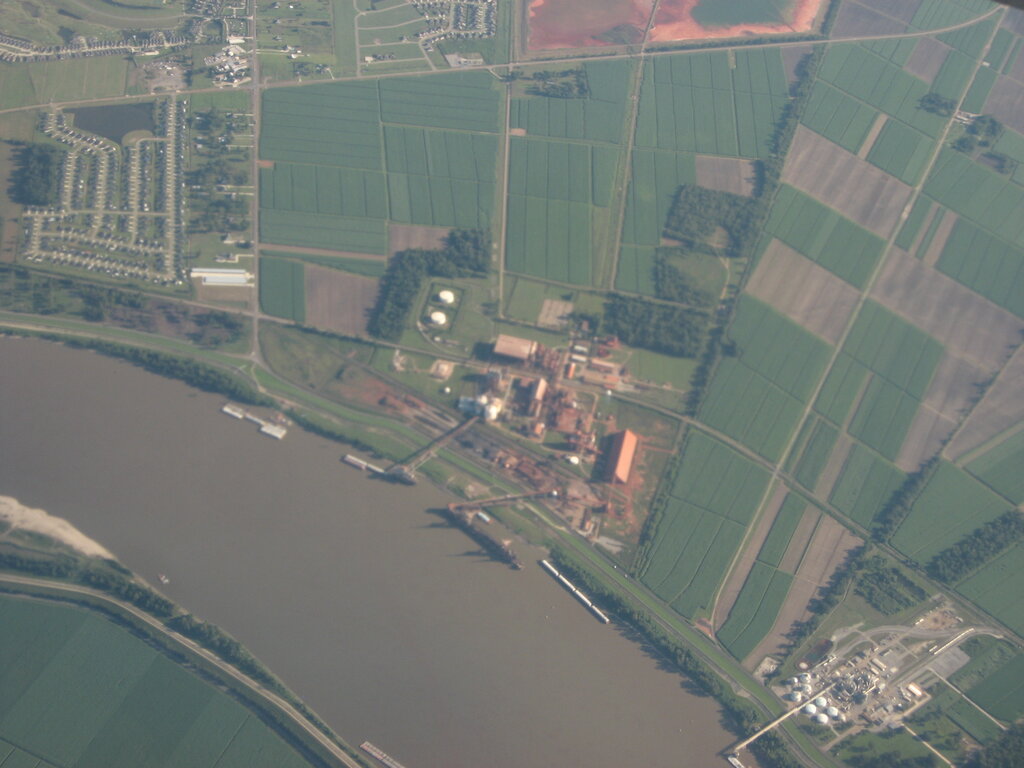
The biggest hurdle is the immense cost. Buying farms, building factories, and purchasing truck fleets requires a huge amount of capital. It's a massive investment that smaller companies can't afford.
Management also becomes far more complex. The skills needed to run a farm are very different from those needed to manage a logistics network or a marketing department. A company has to be good at everything, which is difficult.
Finally, vertical integration can make a business rigid. If a new, more efficient processing technology is invented, a company with its own older plant might be slow to adapt. It's locked into its own assets and can't easily switch to a cheaper or better independent supplier.
Vertical integration presents a fundamental trade-off: gain more control, but lose flexibility.
Shaping the Market
When large companies vertically integrate, it changes the entire industry. The high cost of entry makes it difficult for new, smaller businesses to compete. If a few large, integrated firms dominate the market, they can have significant power over prices.
This consolidation can lead to a less competitive marketplace. For example, if a few major companies control most of the meat processing plants, independent ranchers may have very few options for selling their livestock, giving the processors more leverage in setting prices.
Let's look at a real-world example. Many of the world's largest poultry companies are vertically integrated. They own the hatcheries, contract with farmers to raise the chickens (while still owning the birds and supplying the feed), and operate the processing plants and distribution networks. This gives them immense control over the final product and its cost, shaping the entire poultry market.
Ready to check your understanding of vertical integration?
Which of the following best defines vertical integration?
An apple juice company that owns its own orchards, processing plants, and delivery trucks is an example of a company using ____.
By consolidating different parts of the production process, vertical integration allows agribusinesses to operate at a massive scale, but it requires careful management to overcome its inherent complexities.