Vertical Collage Artistry
Introduction to Collage Art
Assembling a New Reality
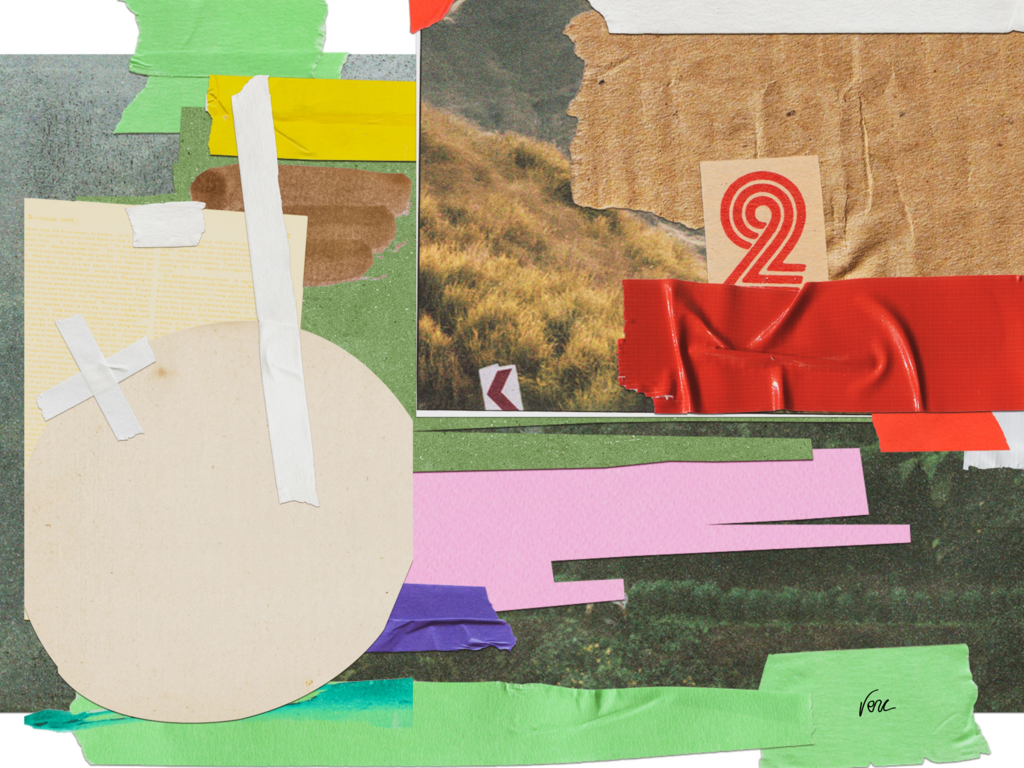
At its heart, collage is the art of assembly. It's a technique where an artist creates a new work by combining different materials like paper, photographs, fabric, and other found objects. Instead of creating an image from scratch with paint or pencil, a collage artist pieces together existing elements to form a unified whole.
Think of it as a visual conversation. Each piece brings its own history and texture, and when placed together, they create new meanings and relationships. The final artwork can be abstract, realistic, or somewhere in between.
A Cut-and-Paste Revolution
Collage wasn't always considered fine art. It burst onto the scene in the early 20th century with the Cubist painters Pablo Picasso and Georges Braque. They started gluing pieces of newspaper, wallpaper, and labels directly onto their canvases.
This was a radical act. By incorporating bits of the real world into their paintings, they shattered the traditional boundaries between art and life. They questioned what a painting could be made of and what it could represent. This technique forced viewers to see everyday materials in a new light.
By adding real objects to their canvases, Picasso and Braque challenged the very definition of painting.
Paper vs. Pixels
The spirit of collage has adapted to new technologies. While the classic method involves scissors and glue, artists today also create collages digitally.
| Feature | Traditional Collage | Digital Collage |
|---|---|---|
| Materials | Physical items: paper, photos, fabric, objects. | Digital files: images, textures, scans. |
| Process | Cutting, tearing, and pasting materials by hand. | Using software to layer, resize, and blend images. |
| Flexibility | Changes are permanent once glued. | Easily reversible; layers can be edited endlessly. |
| Texture | The final piece has real, physical texture. | Texture is purely visual, simulated on a screen. |
Neither method is better than the other; they are simply different ways to achieve a similar goal. Traditional collage offers a tactile, hands-on experience, while digital collage provides endless flexibility and precision. Many artists even combine both methods, scanning physical materials to manipulate them on a computer.
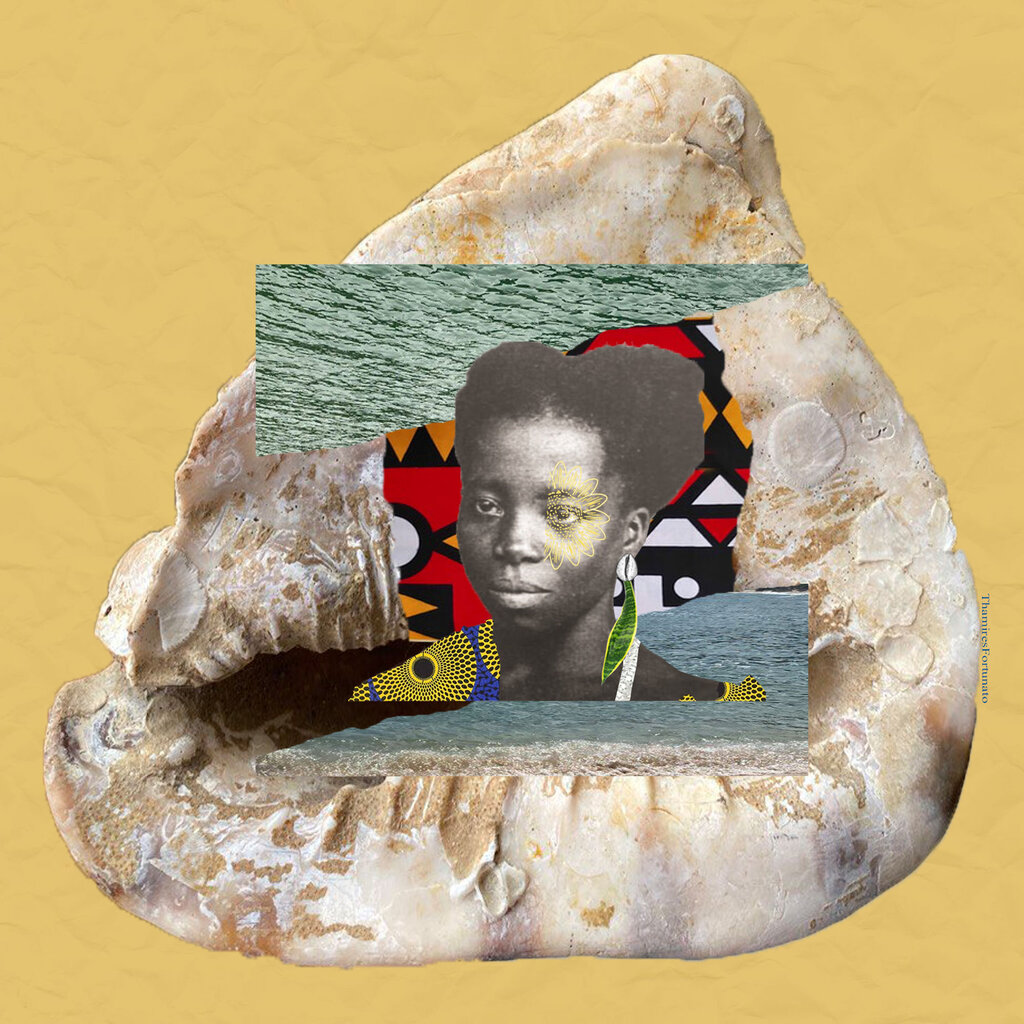
The influence of collage extends far beyond the gallery wall. You can see its principles at work in graphic design, magazine layouts, movie posters, and even music videos. By combining and recontextualizing images, collage continues to be a powerful tool for communication and artistic expression.
What is the core technique of collage?
Which art movement is most closely associated with the emergence of collage as a fine art technique?