Vermicomposting with Worms
Introduction to Vermicomposting
What is Vermicomposting?
Vermicomposting is a process that uses worms to break down organic waste, like kitchen scraps, into a rich, dark, earthy-smelling compost. Think of it as nature's recycling program, powered by some of the planet's best decomposers.
These aren't the typical earthworms you find in your garden after it rains. The stars of vermicomposting are specific species, most commonly red wigglers, that thrive in the conditions of a compost bin. They happily eat through fruit and vegetable peels, coffee grounds, and crushed eggshells. What they leave behind is a nutrient-packed material called vermicompost, or worm castings.
Benefits of Vermicomposting
One of the biggest advantages of vermicomposting is waste reduction. A significant portion of household trash is organic matter that could be composted instead of sent to a landfill. By turning your food scraps into compost, you lighten the load on municipal waste systems and reduce methane gas emissions from landfills.
But the benefits don't stop there. The end product, vermicompost, is a powerhouse for soil health.
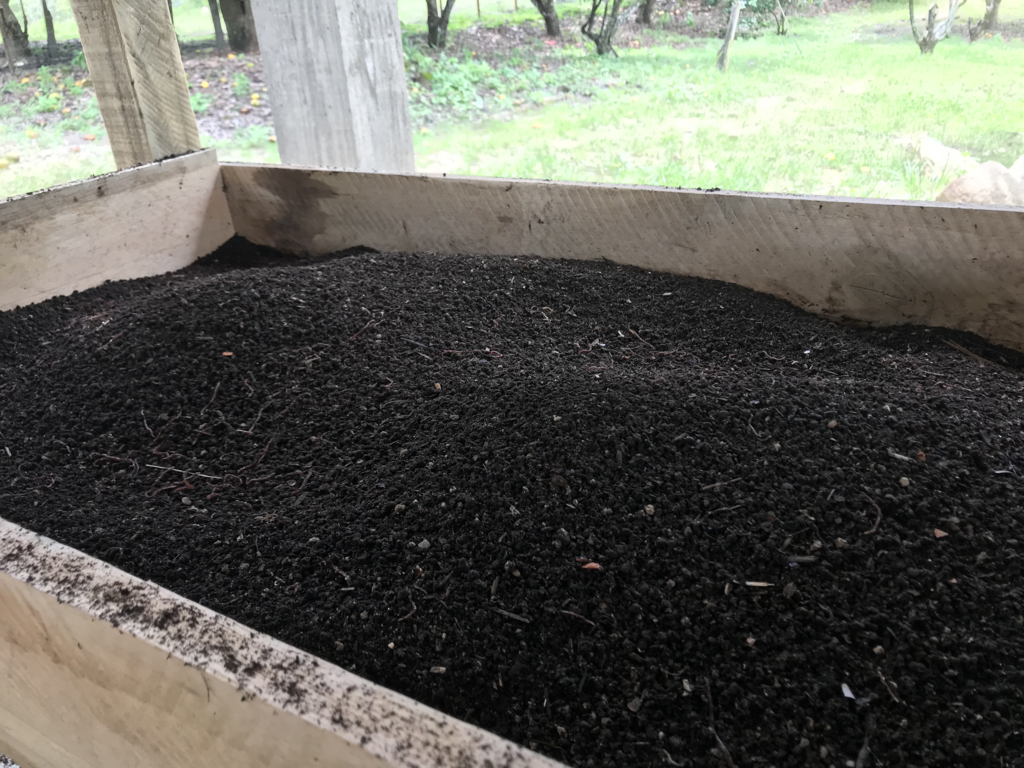
Worm castings are loaded with essential plant nutrients and beneficial microorganisms. When you add this compost to soil, it improves its structure, increases its ability to hold water, and provides a slow-release source of food for plants. This leads to healthier, more robust gardens and farmlands.
Vermicompost acts like a multivitamin for your soil, boosting its vitality and helping plants thrive naturally.
The Process in a Nutshell
Getting started with vermicomposting is straightforward. While the specific details of setting up a worm bin and managing it are important, the overall process is simple. It involves creating a suitable home for the worms, feeding them the right materials, and letting them work their magic.
Over several weeks or months, the worms consume the waste and convert it into castings. Eventually, the bin will be filled with rich compost, ready to be harvested and used.
Applications for Your Garden and Beyond
The finished vermicompost can be used in many ways. For home gardeners, it's an excellent addition to potting mixes for houseplants or containers. You can also work it into the soil of vegetable gardens and flower beds to give your plants a nutrient boost.
A little goes a long way. Sprinkling a small amount around the base of plants or mixing it into the top few inches of soil is often enough to see a significant difference in plant health and growth.
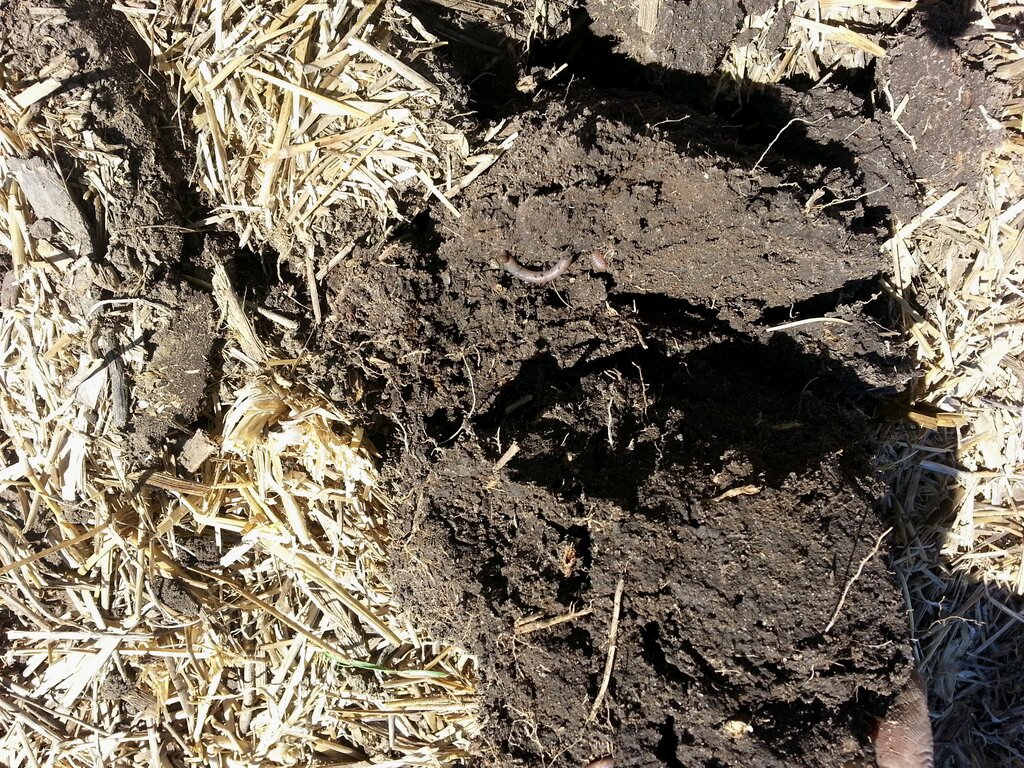
In larger-scale agriculture, vermicompost is used to improve soil fertility and structure on farms. It helps reduce the need for synthetic chemical fertilizers, supporting more sustainable and organic farming practices. By returning organic matter to the earth, it helps build resilient soil that can better withstand drought and disease.
Let's check your understanding of these core concepts.
What is the most common type of worm used for vermicomposting?
A major environmental benefit of turning kitchen scraps into vermicompost is the reduction of which greenhouse gas?
Vermicomposting is a simple yet powerful way to transform waste into a valuable resource, benefiting both your garden and the environment.