Verifying Health Headlines with Scientific Abstracts
Understanding Scientific Abstracts
Your Research GPS
Think of a scientific abstract as the trailer for a research paper. It’s a short, powerful summary that gives you the highlights of the full study. Just like a movie trailer helps you decide if you want to watch the whole film, an abstract helps you determine if a research paper is relevant to your interests without having to read the entire thing.
Use the title and abstract: Begin by reading the title and abstract to grasp the study’s main focus or research question, goals, and key findings.
Reading abstracts is a crucial skill. It saves you time by quickly filtering through dozens of articles to find the ones that are most useful. It presents the entire story of the research in a compact form, usually just one paragraph of 150-300 words.
Anatomy of an Abstract
Most scientific abstracts follow a predictable structure. They answer a series of key questions about the study in a specific order. While the exact headings might not always be there, the core components are usually present.
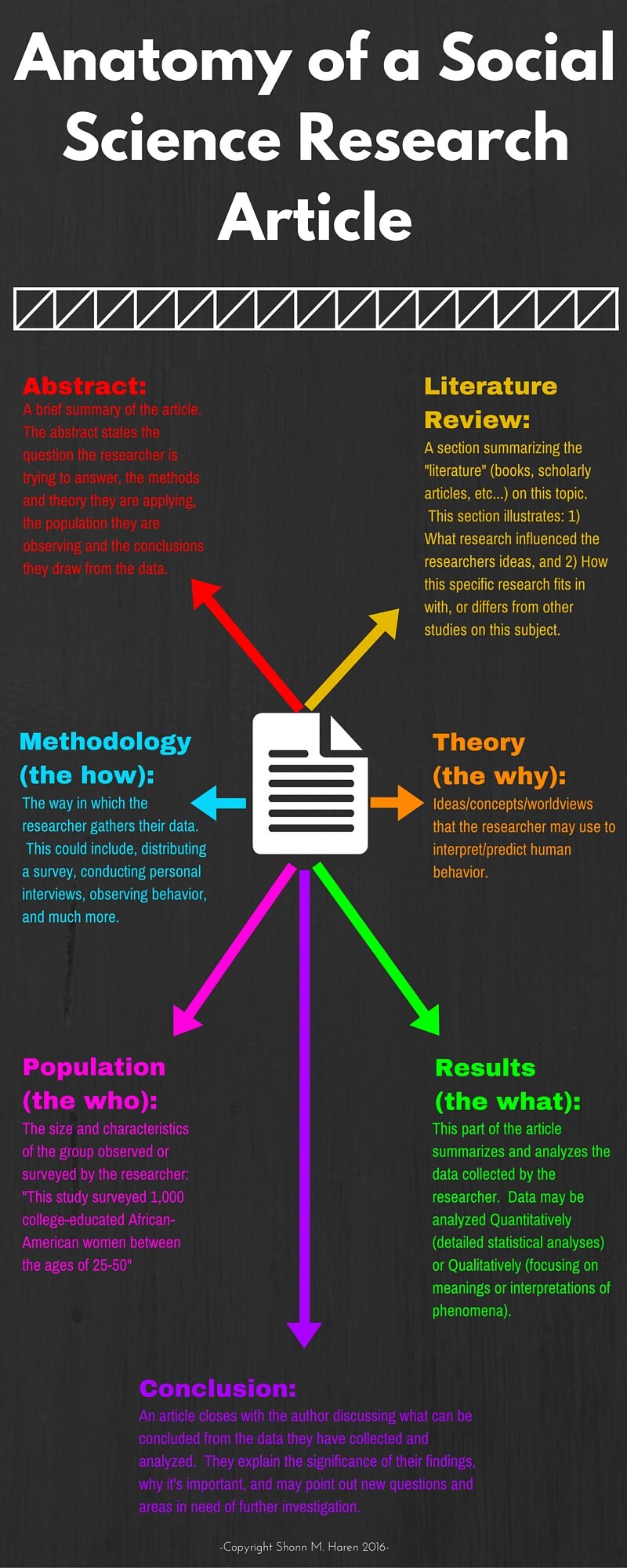
Here are the standard parts:
-
Background: Why was this study necessary? This part sets the stage, briefly explaining the problem or the existing gap in knowledge that the research aims to address.
-
Objectives: What did the study aim to do? It clearly states the research question or hypothesis.
-
Methods: How was the study conducted? This section gives a brief overview of the research design, the participants or subjects, and the techniques used to collect and analyze data.
-
Results: What did the study find? It highlights the most important data and key findings. No fluff, just the facts.
-
Conclusions: What does it all mean? This final part interprets the results, explains their significance, and might suggest implications or future research directions.
An abstract tells the complete story of the research in miniature: the why, what, how, and so what.
Different Flavors of Abstract
Not all abstracts are created equal. Depending on the publication and the field, you might encounter a few different types. The most common are informative, indicative, and evaluative.
| Type | Purpose | What it Includes |
|---|---|---|
| Informative | A comprehensive summary of the study. | Background, objective, methods, key results, and conclusion. |
| Indicative | Describes the scope of the paper, like a table of contents. | Outlines what the paper is about, but withholds results and conclusions. |
| Evaluative | Summarizes the study and provides a critique. | Includes all the parts of an informative abstract, plus a judgment on the study's validity or contribution. |
Informative abstracts are the standard in most scientific journals. They give you everything you need to understand the study's core contributions. Indicative abstracts are more common in review articles or humanities papers, where the goal is to describe a topic rather than present new data. Evaluative abstracts are the rarest and are typically found in review journals or commentary pieces where an expert is assessing another's work.
Ready to check your understanding? Let's see what you've learned about abstracts.
What is the main purpose of a scientific abstract?
The section of an abstract that describes the research design, participants, and data collection techniques is the _________ section.
By mastering the art of reading abstracts, you can navigate the world of scientific literature much more efficiently. It's the first and most important step to becoming a savvy researcher.