Verify Health Headlines with Scientific Abstracts
Understanding Scientific Abstracts
The Abstract: Your Research Shortcut
Think of a scientific abstract as the movie trailer for a research paper. It’s a short, powerful summary that gives you the main plot points without spoiling the whole story. It appears right at the beginning of an article and is designed to do one thing: help you quickly decide if the full paper is worth your time.
To begin your research paper reading journey effectively, prioritize reading the abstract first.
Reading abstracts well is a crucial skill. It saves you from wading through dense, lengthy articles that aren't relevant to your interests. By spending a minute or two on the abstract, you can grasp the essence of the research and make an informed choice about whether to dive deeper.
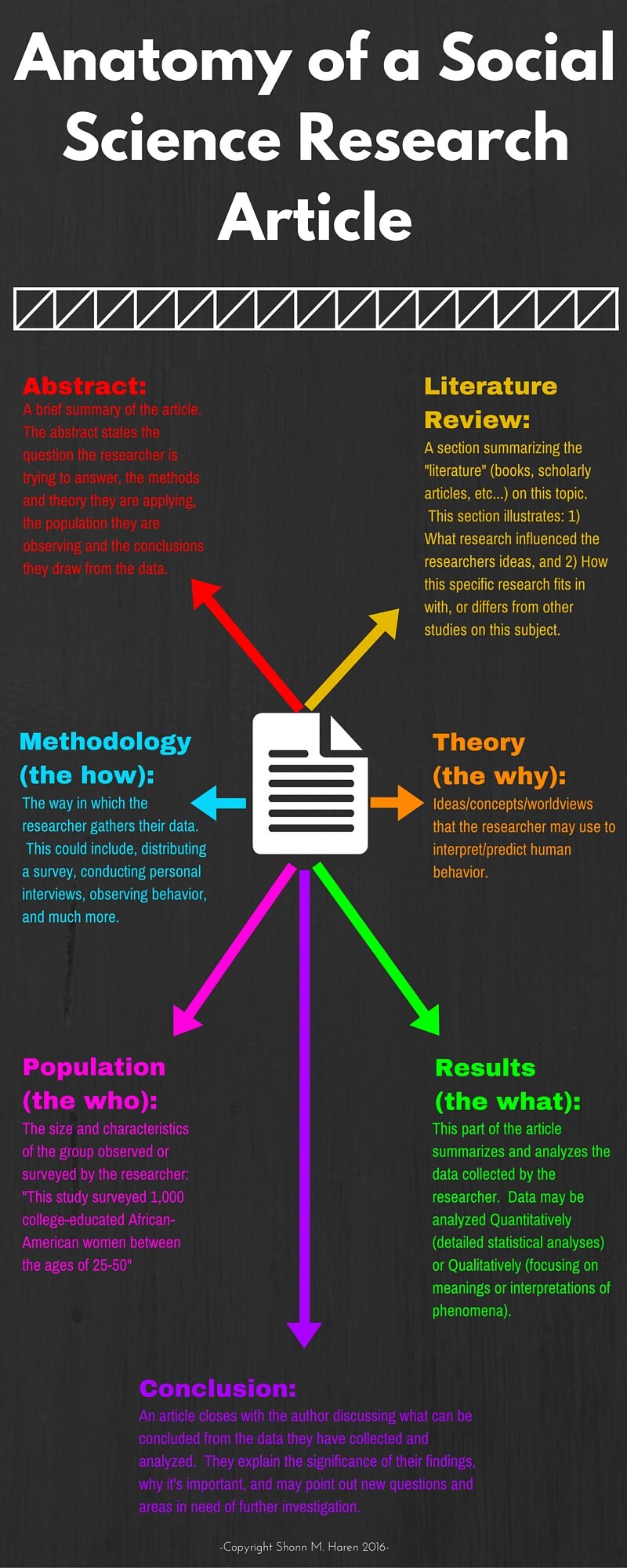
What's Inside?
Most abstracts follow a predictable structure, usually in a single paragraph. They answer four key questions about the research.
- Objectives/Purpose: Why did the researchers do this study? What problem were they trying to solve or what question were they trying to answer?
- Methods: How did they do it? This section briefly explains the research design, the participants, and the techniques used to collect and analyze data.
- Results: What did they find? This is a high-level summary of the most important findings or data from the study.
- Conclusion: What does it mean? The authors explain the implications of their findings and why they matter.
By looking for these four parts, you can quickly deconstruct any abstract and understand the study's core message.
Different Flavors of Abstracts
Not all abstracts are created equal. They generally fall into three categories, each serving a slightly different purpose.
| Type | Purpose | What to Expect |
|---|---|---|
| Informative | To provide a comprehensive summary | The most common type. Includes purpose, methods, results, and conclusion. Acts as a proxy for the full article. |
| Indicative | To describe the scope of the article | Outlines what the paper covers but omits results and conclusions. Helps you decide if the topic is relevant. |
| Evaluative | To summarize and critique | Includes all the information of an informative abstract, plus a judgment on the study's validity or contribution. Less common. |
You will most often encounter informative abstracts. They give you just enough detail to understand the research without having to read the entire paper.
A Quick Filter: The PICOM Approach
When you're sifting through dozens of articles, you need a fast, effective way to filter them. The PICOM approach is a simple framework for breaking down an abstract to see if it matches your research needs, especially in health and clinical fields.
PICOM
noun
A mnemonic for Population, Intervention, Comparison, Outcome, and Method. It is a framework used to frame and answer a clinical or research question.
Here’s how to use it:
- P - Population/Problem: Who or what is the study about? (e.g., adults with type 2 diabetes, first-year college students)
- I - Intervention: What is being done or tested? (e.g., a new drug, a teaching method)
- C - Comparison: What is the intervention being compared against? (e.g., a placebo, the standard treatment)
- O - Outcome: What is being measured? (e.g., blood sugar levels, test scores)
- M - Method: What type of study was conducted? (e.g., randomized controlled trial, observational study)
By scanning an abstract for these five elements, you can quickly assess its relevance. If the population, intervention, and outcomes align with your interests, the paper is likely worth a closer look.
What is the primary purpose of a scientific abstract?
The PICOM framework is used to quickly assess a research paper's relevance. What does the 'C' in PICOM stand for?
Mastering the abstract is the first step to becoming an efficient and critical reader of scientific literature. It's the gateway to the rest of the paper and the key to navigating the vast world of research.