Verify Health Headlines with Scientific Abstracts
Understanding Scientific Abstracts
The Abstract: A Study in Miniature
Think of a scientific abstract as the trailer for a movie. It gives you a quick glimpse of the plot, the main characters, and the key moments, all in a couple of minutes. You watch it to decide if you want to commit to the full two-hour film. A scientific abstract does the same job for a research paper.
It’s a short, powerful summary that sits right at the beginning of an article. Its purpose is to give you the essential information without you having to read the entire paper. This is incredibly useful for anyone—from students to doctors to researchers—who needs to quickly understand what a study is about and whether it's relevant to their work.
The abstract is your gateway to the research paper.
By reading the abstract, you can quickly grasp the study's main points and decide if digging deeper into the full article is worth your time. To do this effectively, it helps to understand how they are structured.
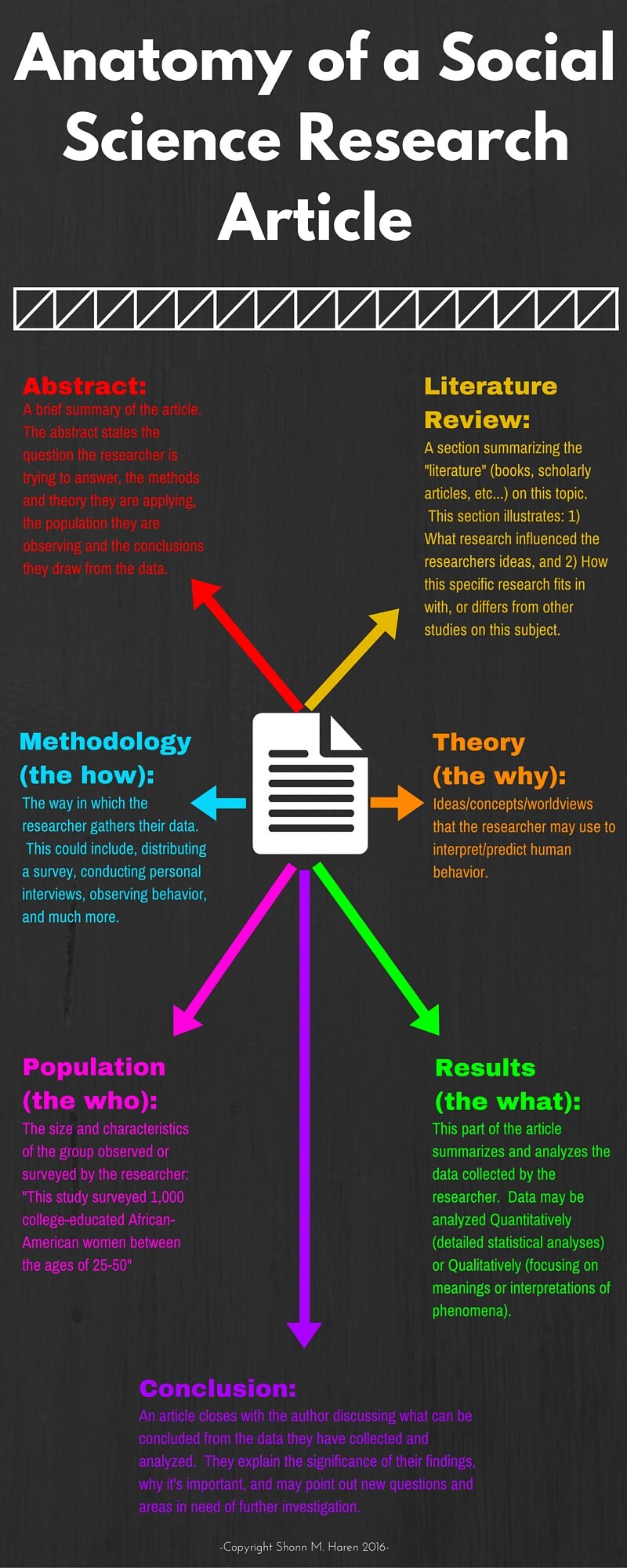
Anatomy of an Abstract
Most scientific abstracts follow a consistent, predictable format. They are usually divided into a few key sections that logically walk you through the study from start to finish. While the exact headings might vary slightly between journals, the core components are almost always the same.
| Component | Question it Answers |
|---|---|
| Background | Why was this study needed? |
| Objectives | What did the study aim to find out? |
| Methods | How was the study conducted? |
| Results | What were the most important findings? |
| Conclusion | What is the take-home message? |
Let’s break down what each part tells you.
1. Background: This section sets the stage. It briefly introduces the research topic and explains the problem or question that the study addresses. It gives you the context you need to understand why the research matters.
2. Objectives: Here, the authors state their goal or hypothesis. What specific question did they set out to answer? This part is direct and to the point, clearly outlining the study's purpose.
3. Methods: This component gives a high-level overview of how the research was done. It might mention the study design, the participants or subjects involved, and the main techniques used to collect and analyze data. It doesn't go into granular detail but gives you enough information to judge the basic approach.
4. Results: This is the heart of the abstract. It summarizes the most significant findings of the study. You’ll often find key statistics or data points here, presenting the direct outcomes of the research without interpretation.
5. Conclusion: Finally, the conclusion explains what the results mean. It offers the authors' interpretation of the findings and highlights the study's main takeaway. It might also touch on the implications of the research or suggest directions for future studies.
Why Abstracts Matter
In the world of science and medicine, thousands of new articles are published every day. No one has time to read them all. Abstracts are the primary tool for navigating this flood of information. They allow researchers to efficiently screen articles, identifying the most relevant and important studies for their work.
This filtering process is a cornerstone of scientific communication. It helps good ideas spread and enables researchers to build upon each other's work without getting bogged down. Learning to read and interpret an abstract is a fundamental skill for anyone interested in understanding health research.
Review the abstracts of research studies carefully. This will save you time.
Now that you understand the role and structure of an abstract, let's test your knowledge.
What is the primary purpose of a scientific abstract?
Which section of an abstract sets the stage by explaining the problem or question the study addresses?