Verify Health Headlines with Scientific Abstracts
Understanding Scientific Abstracts
The Movie Trailer for Science
Imagine trying to decide which movie to watch. You don't just pick one at random; you watch the trailer first. A good trailer gives you the plot, introduces the main characters, and shows you the most exciting parts, all in about two minutes. A scientific abstract does the same job for a research paper.
Abstract
noun
A short, self-contained summary of a longer academic work, such as a research paper or thesis.
An abstract is a dense paragraph at the very beginning of a paper that summarizes its entire contents. Its main purpose is to help you quickly understand what the research is about and whether you should invest the time to read the full article. With thousands of new studies published every month, abstracts are an essential tool for scientists, students, and anyone else trying to navigate the sea of information.
Review the abstracts of research studies carefully. This will save you time.
Anatomy of an Abstract
While they might seem like a simple block of text, abstracts follow a predictable structure. They are carefully crafted to deliver a lot of information in a small space. Most abstracts contain five key pieces, usually in this order.
Let's break these down:
-
Background: A brief sentence or two setting the stage. It introduces the broader topic and explains why the research is needed. It answers the question, "What problem are we trying to solve?"
-
Objectives: This part states the specific research question or hypothesis. It's the core goal of the study. It answers, "What did the researchers set out to do?"
-
Methods: Here, the authors briefly explain how they conducted the research. They'll mention the design of the study, who or what they studied, and what they measured. This isn't a detailed guide, just a quick overview.
-
Results: This is where the key findings are presented. It's a straightforward report of the most important data from the study, usually without much interpretation.
-
Conclusion: Finally, the abstract wraps up with the main takeaway message. The authors explain what their results mean and why they are important. It answers the question, "So what?"
A Foundation of Trust
The abstract isn't just a time-saver; it's a pillar of scientific communication. Researchers rely on abstracts to stay current with developments in their field, find relevant papers for their own work, and decide which articles to read in full. Think of someone conducting a large literature review, where they might need to sift through hundreds or even thousands of papers. Reading every single one from start to finish would be impossible.
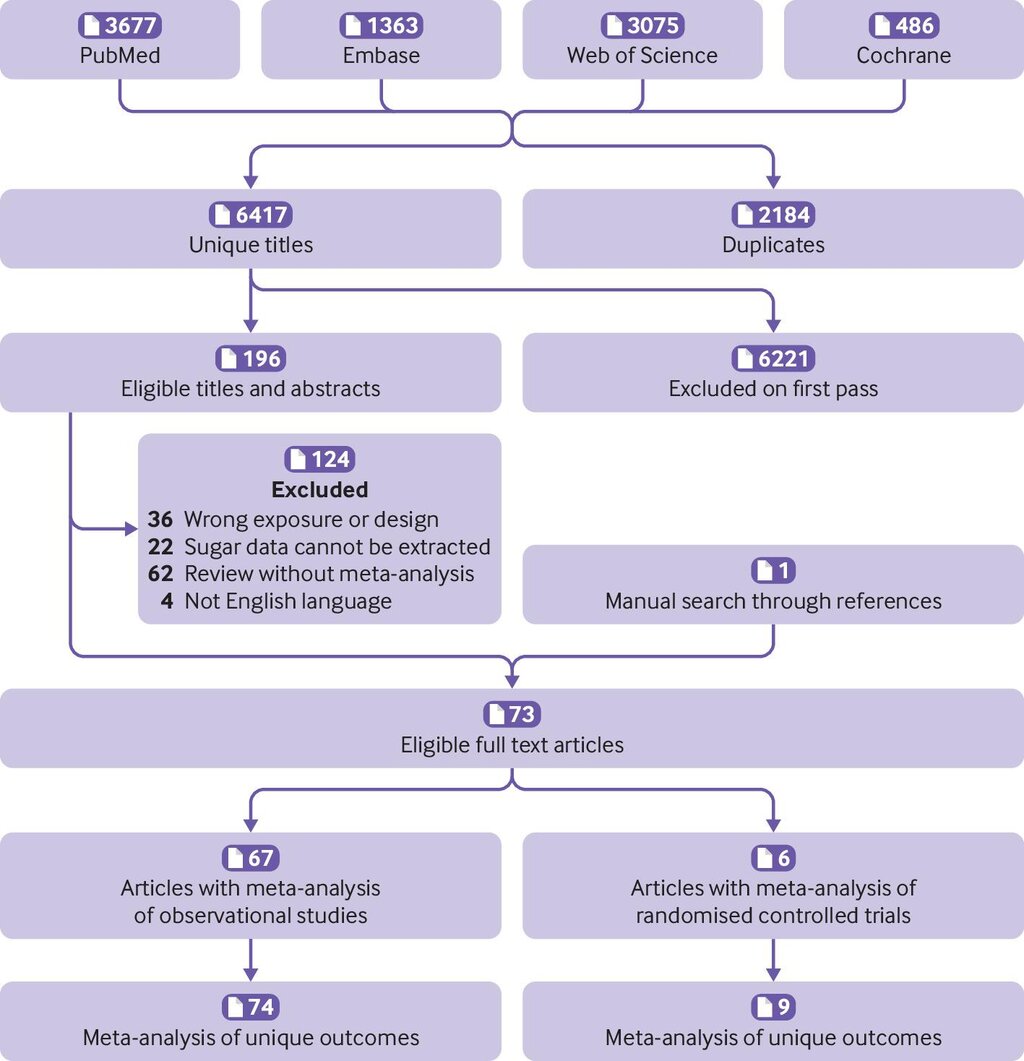
Because they are so widely read, it's critical that abstracts are accurate and transparent. A good abstract presents the study's findings honestly, without exaggerating the results or hiding important limitations. It must be a faithful summary of the full paper.
A misleading abstract can send other researchers down the wrong path or contribute to public misunderstanding of science. The entire system of scientific discovery is built on trust, and that trust starts with an honest, well-written abstract.
Now that you know what an abstract is for and how it's structured, let's test your understanding.
What is the primary purpose of a scientific abstract?
Which part of the abstract answers the question, "So what?" by explaining the main takeaway message and importance of the findings?
Mastering the abstract is the first step to confidently navigating the world of scientific research.