Verify Health Headlines with Scientific Abstracts
Understanding Scientific Abstracts
The Abstract: Your Gateway
A scientific abstract is a short summary of a research article. Think of it as the movie trailer for a study. It's designed to give you a quick overview of the entire paper, so you can decide if you want to invest the time in reading the full thing.
The abstract is your gateway to the research paper.
Most abstracts follow a predictable structure, briefly touching on the key sections of the paper itself. They provide context, explain the methods used, highlight the most important findings, and state the main conclusion. This structure helps you quickly find the information you need.
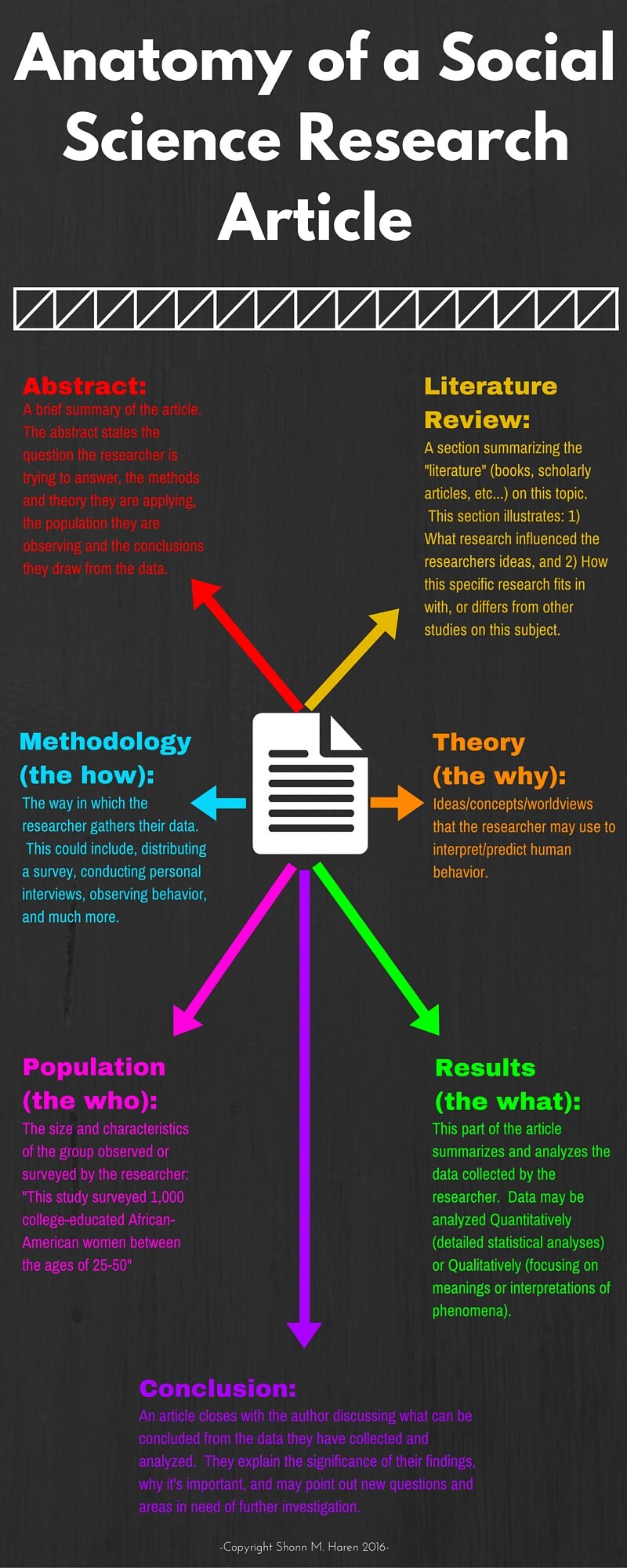
Typically, an abstract will contain these four elements:
- Focus/Background: Why was this study done? It sets the scene and presents the research question.
- Methods: How was the study done? It briefly explains the experiment or data collection process.
- Results: What did the study find? This section presents the main data and key findings without much interpretation.
- Conclusion: What does it all mean? It summarizes the answer to the research question and suggests the study's significance.
Different Abstracts for Different Needs
While most abstracts share a common purpose, they come in a few different flavors. The type of abstract often depends on the journal's guidelines or the nature of the research. Understanding these types helps you know what to expect.
| Type | Purpose | What It Includes |
|---|---|---|
| Indicative | To describe what the paper is about. | General scope, arguments, and topics covered. No results or conclusions. |
| Informative | To be a substitute for the full paper. | All key components: purpose, methods, results, and conclusions. |
| Evaluative | To judge the study's contribution. | A summary like an informative abstract, plus commentary on the study's validity and importance. |
Informative abstracts are the most common type you'll encounter in scientific literature. Indicative abstracts are more frequent in the humanities, while evaluative abstracts are rare and usually written for specific review purposes.
A Framework for Quick Analysis
When you're sifting through dozens of articles, you need a system to quickly pull out the most important information from each abstract. The PICOM approach provides a simple framework for doing just that, especially in health and clinical sciences.
Let's break down each part:
- P - Population/Problem: Who are the subjects of the study (e.g., adults with asthma, first-year college students)? What problem is being addressed?
- I - Intervention: What is the main action, treatment, or exposure being studied (e.g., a new drug, a specific teaching method)?
- C - Comparison: What is the intervention being compared to (e.g., a placebo, a standard treatment, no intervention)? Sometimes there is no comparison group.
- O - Outcome: What is the result being measured (e.g., reduced symptoms, improved test scores)?
- M - Method: How was the study designed (e.g., randomized controlled trial, observational study, survey)?
By looking for these five elements, you can systematically deconstruct an abstract and quickly decide if the article is relevant to your research question.
Time to review what we've covered.
Let's see how well you can apply these concepts.
What is the primary purpose of a scientific abstract?
A typical abstract contains four main elements. Which of the following is NOT one of them?
Mastering the abstract is the first step to becoming an efficient researcher. It's a skill that saves time and helps you focus on the most relevant and significant science.