Verify Health Headlines with Abstracts
Understanding Health News
Navigating Health Headlines
Health news is everywhere, from your social media feed to major news channels. It promises breakthroughs, warns of dangers, and offers advice on how to live a healthier life. But not all health news is created equal. A catchy headline might get a lot of clicks, but it doesn't always tell the whole story.
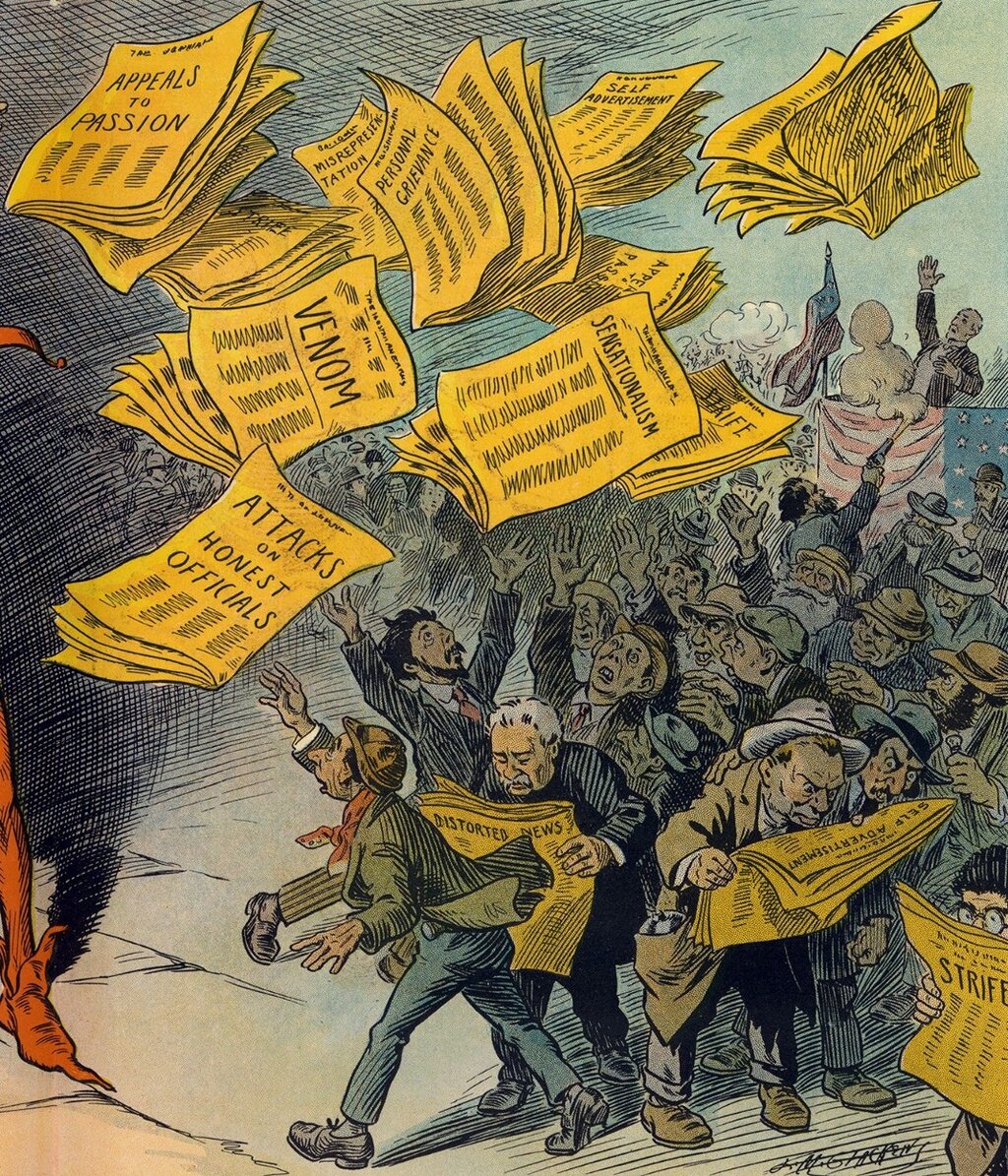
Many headlines are designed to provoke a strong emotional reaction. Fear, hope, and curiosity are powerful motivators. This can lead to sensationalism, where the reality of a scientific finding is exaggerated to make it sound more dramatic than it is.
When Science Gets Simplified
Scientific research is complex, detailed, and often full of nuance. To make it understandable for a general audience, journalists have to simplify it. But sometimes, important details get lost in translation. A finding that is preliminary or only applies to a very specific group of people can be presented as a universal truth.
A common mistake is confusing correlation with causation. For example, a study might find that people who drink a glass of red wine every day tend to live longer. A headline might read, "Red Wine Helps You Live Longer!" But the study didn't prove the wine caused the longer life. It could be that people who drink red wine also tend to have healthier diets or more active social lives.
Remember that science is a process, not a single event. One study is just one piece of a much larger puzzle. A true scientific consensus builds slowly over time, with many different studies pointing to the same conclusion. Be wary of news that trumpets a single study as the final word on a subject.
Contextualize new findings: Journalists must "reasonably place new health and medicine research in the context of previous findings in the same area." It’s critical to communicate that scientific discovery is a process, not an event.
Following the Money
Bias can creep into health news in subtle ways. One of the most important things to consider is who paid for the research or who owns the news outlet reporting on it. A conflict of interest occurs when a person or organization has competing interests that could potentially corrupt their decisions.
For example, if a study on the safety of a new drug is funded by the company that makes the drug, the results might be presented in a more positive light. This doesn't mean the research is automatically bad, but it's a factor to be aware of. Similarly, if a health website is funded by selling supplements, it might be more likely to publish articles that promote the benefits of those supplements.
How can you spot these issues? When you read a news article, try to find a link to the original research paper. Most scientific journals require authors to disclose their funding sources and any potential conflicts of interest. For the news source itself, a quick search for "who owns [website name]" can be revealing.
Ready to test your knowledge? This quiz will help you check your understanding of how to critically evaluate health news.
Why might a health news headline be designed to provoke a strong emotional reaction like fear or hope?
If a single study is reported as the 'final word' on a health topic, you should be skeptical.
Becoming a critical consumer of health news doesn't mean you have to be a scientist. It just means asking a few simple questions: Who is telling me this? How do they know it? And what might they have to gain? By approaching health headlines with a healthy dose of skepticism, you can better separate the facts from the hype.