Verify Health Headlines with Abstracts
Understanding Scientific Abstracts
The Abstract: A Study's Elevator Pitch
Before diving into a dense scientific paper, you'll find a short summary at the very beginning. This is the abstract. Think of it as the movie trailer for the research. Its job is to give you a quick, high-level overview of the entire study, from the initial question to the final conclusion.
Reading the abstract helps you decide if the full article is relevant to your interests. It saves you time by presenting the most critical information in a condensed format, usually just a single paragraph of about 200-300 words. It's a vital tool for quickly assessing the purpose and findings of a research paper.
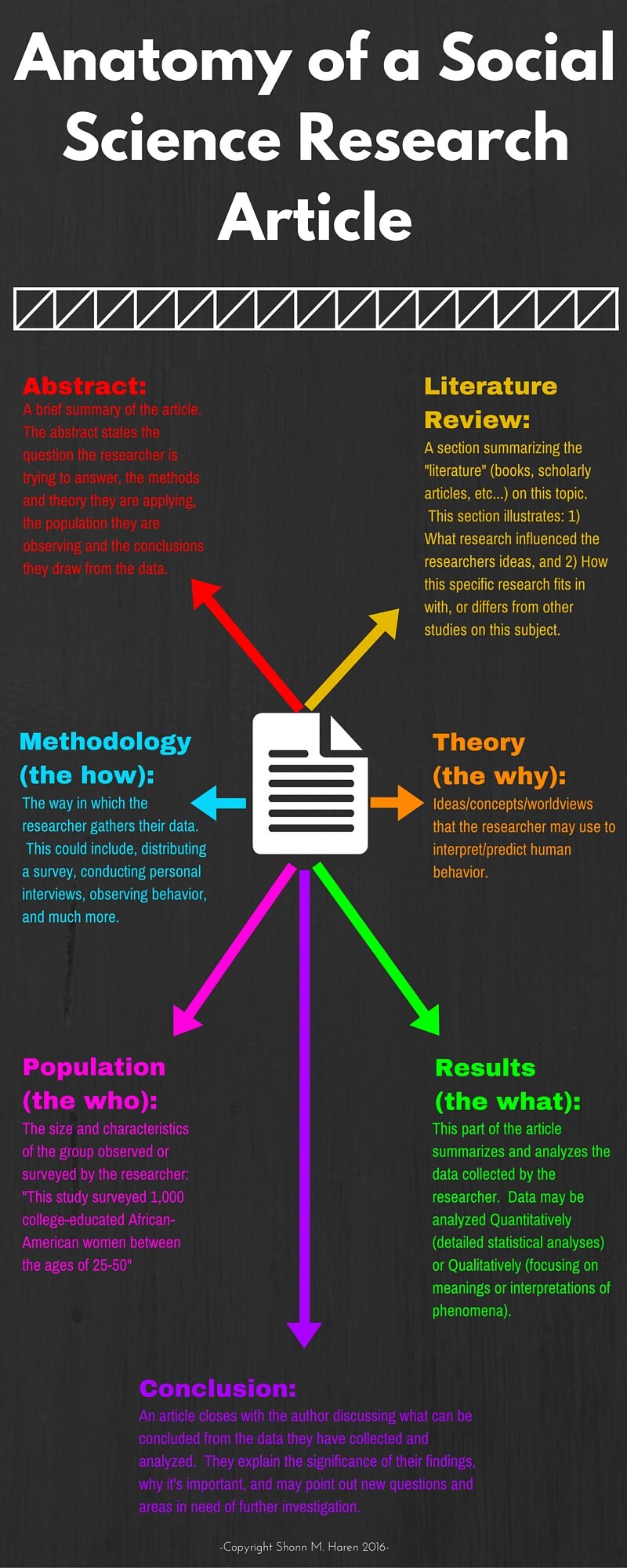
Anatomy of an Abstract
While the exact structure can vary slightly, most scientific abstracts contain four key ingredients. Understanding these parts helps you break down the information logically and efficiently.
1. Background/Introduction: This sets the stage. It briefly introduces the topic and explains why the research is important. It often ends with the specific question the study aims to answer or the hypothesis the researchers are testing.
2. Methods: This part explains how the researchers conducted the study. It might mention the study design, the participants (e.g., number of people, animals), and what was measured. You won't find every detail here, just a quick summary of the approach.
3. Results: Here, you get the key findings. This section presents the main data and statistical outcomes without much interpretation. It's the 'just the facts' part of the abstract.
4. Conclusion: Finally, the abstract wraps up with the researchers' interpretation of the results. It answers the question posed in the introduction and may suggest the implications of the findings or areas for future research.
Strategies for Smart Reading
Reading an abstract isn't just about going from start to finish. It's about actively looking for specific information. When you scan an abstract, try to answer these questions:
- What was the main research question?
- Who or what was studied? (e.g., Humans, lab animals, cells)
- What was the most important result the authors found?
- What is the authors' main takeaway message?
The abstract is a preview, not the full story. Sensational headlines often pull from the abstract without the nuance found in the full paper.
Answering these questions gives you a solid grasp of the study's core. If the findings seem surprising or particularly important, that’s your cue to read the full paper. The full text provides the context, limitations, and detailed data you need to truly evaluate the research.
Now, let's check your understanding of how abstracts are put together.
What is the primary purpose of a scientific abstract?
Which part of the abstract explains how the researchers conducted the study?
By mastering the skill of dissecting an abstract, you're better equipped to look past headlines and understand the science behind them.