Venture Term Sheet Negotiation Mastery
Introduction to Venture Capital
The Fuel for Big Ideas
Imagine you have an idea that could change an industry. It's brilliant, but it requires a lot of money to get off the ground—far more than you have, and too risky for a bank loan. This is where venture capital comes in.
Venture capital is the financial fuel behind many startups and high-growth companies.
Venture capital, or VC, is a form of private equity financing provided to startups, early-stage, and emerging companies that have been deemed to have high growth potential. In exchange for this funding, VCs take an ownership stake in the company. They are betting on the company's future success, hoping for a massive return on their investment down the road.

How VC Firms Work
A venture capital firm is essentially a pool of money managed by a team of professional investors. The structure involves two main groups:
- Limited Partners (LPs): These are the investors who provide the capital for the fund. They are typically large institutions like pension funds, university endowments, or wealthy individuals. They have limited liability and are not involved in the day-to-day decisions.
- General Partners (GPs): These are the venture capitalists themselves. They are the decision-makers who manage the fund, find promising startups to invest in, and actively work with those companies to help them succeed.
The GPs raise a fund from LPs, which typically has a lifespan of about 10 years. They use this money to invest in a portfolio of startups. Their goal is to grow these companies to the point where they can be sold or go public, generating a significant profit for everyone involved.
GPs earn money in two ways. They charge a management fee, typically around 2% of the fund's total value each year, to cover operational costs. Their primary reward, however, is called "carried interest," or "carry." This is a percentage of the fund's profits, usually 20%, which they receive only after the LPs have been paid back their initial investment. This structure aligns the interests of the GPs with their investors: everyone wins when the startups succeed.
The Investment Journey
Venture funding isn't a one-time event. It happens in stages, or "rounds," with each new round supporting a different phase of the company's growth. As the company hits milestones and reduces risk, it can raise more money at a higher valuation.
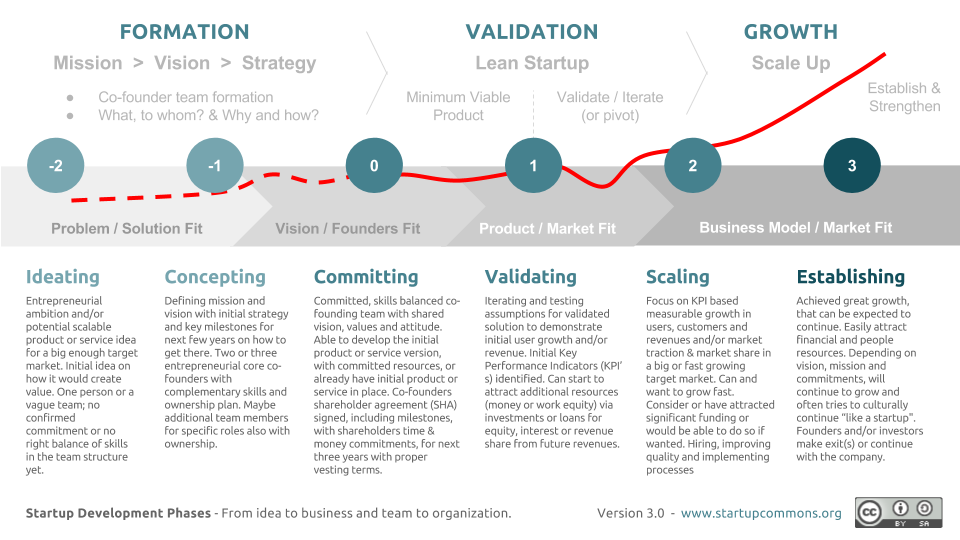
Here are the most common stages:
-
Seed Stage: This is the earliest round of funding. The money is used to turn an idea into a business, often for things like market research, product development, and building an initial team. The company may only have a prototype or a basic version of its product at this point. Angel investors, who are wealthy individuals investing their own money, are also common at this stage.
-
Series A: After a company has a proven product, a business model, and some evidence of customer traction, it raises a Series A round. The focus here is on scaling the business, optimizing the product, and expanding the customer base.
-
Series B, C, and Beyond: These later-stage rounds are for companies that are well-established and looking to grow even faster. The capital is used for things like international expansion, developing new products, or acquiring other companies.
Life with a VC
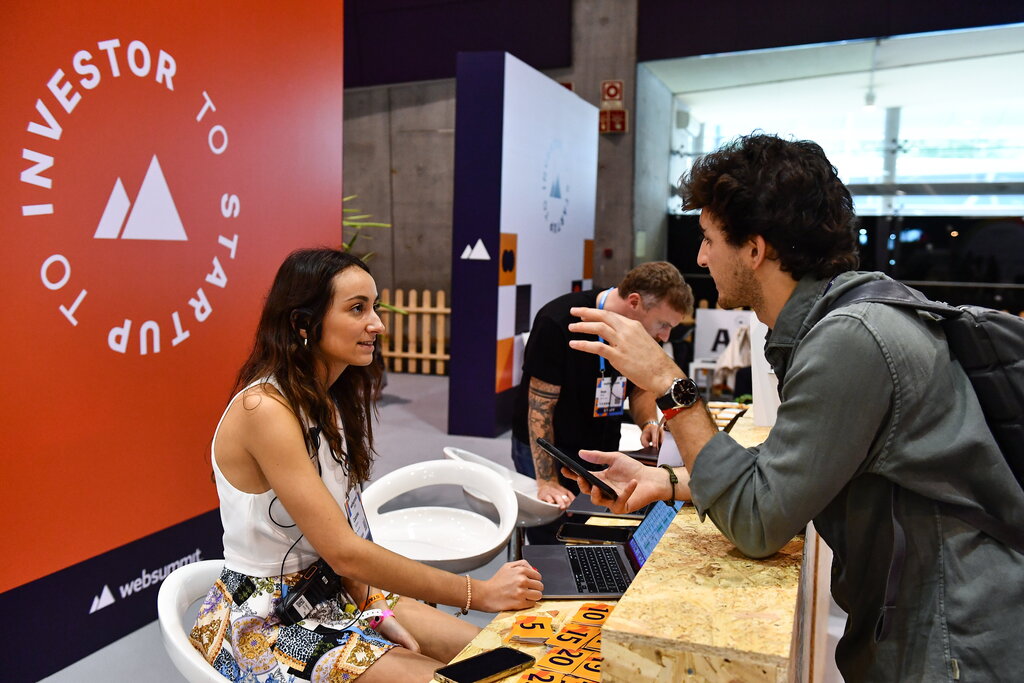
Accepting venture capital is more than just a financial transaction; it's the beginning of a partnership. VCs become active participants in the company. They often take a seat on the board of directors, providing strategic guidance, mentorship, and access to their extensive network of contacts. This can be incredibly valuable for a young company.
The ultimate goal for a VC investment is an "exit"—a way for the VC firm and its investors to cash out their ownership stake. There are two primary exit strategies:
- Acquisition: A larger company buys the startup. This is the most common type of exit.
- Initial Public Offering (IPO): The company sells its shares to the public on a stock exchange. This is less common but can lead to massive returns.
An exit event is the culmination of years of hard work, allowing the startup's founders, employees, and investors to realize the value they've created.
What is the primary role of venture capital?
In a venture capital fund, the investors who provide the capital but are not involved in day-to-day decisions are known as __________.
Understanding these core concepts is the first step in navigating the world of startups and high-growth finance. It provides the foundation for more complex topics, like the term sheets that formalize these crucial investment deals.