Venture Investing Fundamentals
Introduction to Venture Capital
Fuel for Big Ideas
Startups with world-changing ambitions often have one big problem: they need a lot of money to get off the ground. Traditional bank loans are usually out of the question for new, unproven companies with no assets or revenue. This is where venture capital comes in.
Venture capital refers to financing given by well-off investors or investment banks to startups and small businesses that the investors believe have big growth potential.
Venture capitalists, or VCs, invest in early-stage companies that they believe could become massive successes. In exchange for their money and expertise, VCs take an ownership stake, called equity. They are making a high-risk bet. Most startups fail, but the one or two that succeed can provide enormous returns, making up for all the losses and then some.
The Players
A venture capital firm isn't just one person's bank account. It's a structured fund with two main types of participants: Limited Partners and General Partners.
Limited Partners (LPs) are the investors who provide the money for the fund. They are typically large institutions like pension funds, university endowments, and insurance companies, or very wealthy individuals. They are passive investors; they commit capital but don't get involved in the day-to-day decisions.
General Partners (GPs) are the people who run the fund. They are the classic venture capitalists. Their job is to find promising startups, conduct due diligence (a fancy term for investigation), negotiate deals, and then actively help the companies they've invested in. They often take seats on the company's board of directors to provide guidance.
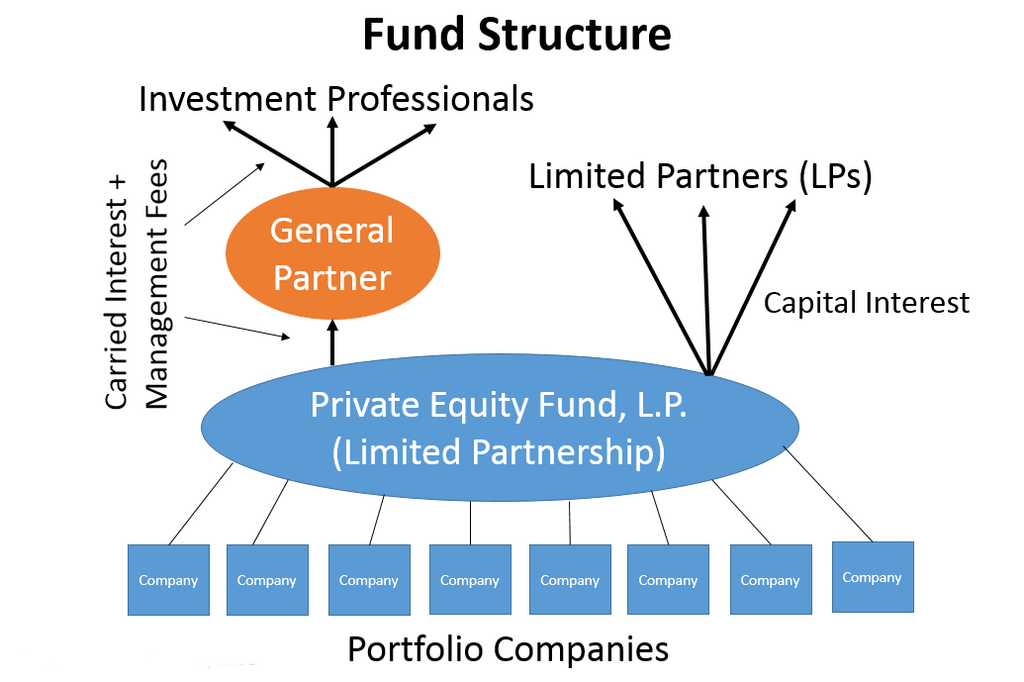
The GPs manage the fund's portfolio of startups, working to help them grow over several years. The goal is to eventually sell their equity for a significant profit, which is then distributed back to the Limited Partners and the General Partners.
The Funding Ladder
Companies don't get all the money they'll ever need at once. Funding comes in stages, or "rounds," that correspond to the company's maturity and milestones. Each new round typically comes with a higher valuation for the company.
A key thing to remember is that with each funding round, the founders give up more equity in their company. It's a trade-off: they get the capital they need to grow, but their ownership percentage gets smaller. The hope is that they will own a smaller piece of a much, much bigger pie.
From Idea to Exit
The journey of a venture-backed company is often called its lifecycle. It starts with an idea and, if successful, ends with an "exit"—the moment when investors can cash out their investment.
- Founding: An entrepreneur has an idea and builds a founding team.
- Funding: The team raises capital through the funding rounds we just discussed, starting with a seed investment and progressing to later stages.
- Growth: With the capital, the company hires employees, develops its product, acquires customers, and scales its operations. The VCs on the board provide strategic advice during this critical phase.
- Exit: After many years of growth, the company is mature enough for an exit. There are two common paths: an Initial Public Offering (IPO), where the company sells shares to the public on a stock exchange, or an acquisition, where the company is bought by a larger one.
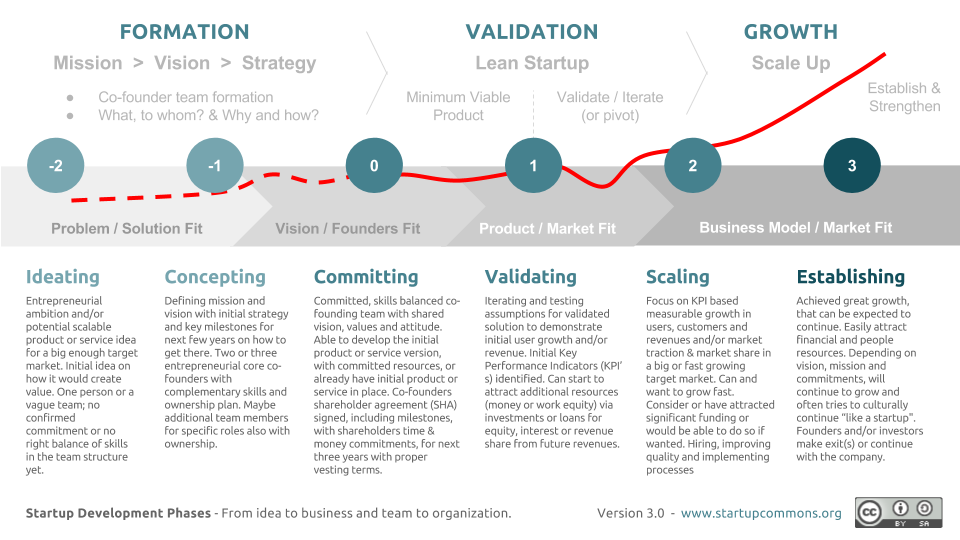
The exit is the ultimate goal for venture capitalists. A successful IPO or acquisition can result in a massive return, validating the high risk they took on years earlier.
In a venture capital fund, who are the primary investors that provide the capital?
What is the primary trade-off founders make when they accept venture capital funding?
This process of funding innovation is a powerful engine for the economy, turning bold ideas into the companies that shape our future.