Venture Capital Investment Analysis Deep Dive
Venture Capital Overview
The World of Venture Capital
Venture capital, or VC, is a specialized type of financing. Instead of lending money like a bank, venture capitalists buy a piece of a young, private company. They invest in startups they believe have the potential for massive growth.
Venture capital (VC) funding is a form of private equity in which investors provide capital to startups with long-term growth potential.
This isn't just about money. VCs often provide mentorship, strategic guidance, and access to a vast network of contacts. The goal is to help these startups succeed on a grand scale. It's a high-stakes game. Most startups fail, so VCs need their few successful investments to generate huge returns, enough to cover all the losses and still make a significant profit.
The Key Players
The VC ecosystem has three main actors: Limited Partners, General Partners, and Entrepreneurs. Understanding their roles is key to understanding how venture capital works.
Limited Partners (LPs) are the investors who provide the money for the VC fund. They are typically large institutions like pension funds, university endowments, insurance companies, or very wealthy individuals. LPs are 'limited' because their role is passive. They commit capital and trust the fund managers to invest it wisely, much like an individual might invest in a mutual fund.
General Partners (GPs), more commonly known as venture capitalists, are the hands-on managers of the fund. They are responsible for finding promising startups, performing due diligence, negotiating deals, and investing the LPs' money. After investing, they often take a board seat and work closely with the startup's founders to help the company grow. In return for this work, GPs earn management fees and a share of the fund's profits, known as 'carried interest'.
Entrepreneurs are the founders of the startups. They have the vision and the drive to build a new business but need capital to turn their ideas into reality. When they accept VC funding, they sell a portion of their company's ownership (equity) in exchange for cash and the strategic support of the VC firm.
The Funding Journey
Startups don't receive all their funding at once. Instead, they raise money in rounds, with each stage corresponding to a different phase of the company's development. This allows VCs to manage risk by investing more capital only after the company has proven itself and hit key milestones.
A startup may go through many stages of venture capital funding as it develops, such as a seed investment, early-stage funding rounds, and late-stage funding rounds.
| Stage | Company Phase | Purpose of Funds |
|---|---|---|
| Seed | Idea/Concept | Develop a prototype, conduct market research. |
| Series A | Early Operations | Optimize product, establish a user base, generate revenue. |
| Series B | Growth | Scale the business, expand the team, enter new markets. |
| Series C & Beyond | Scaling | Prepare for an IPO or acquisition, achieve profitability. |
Each funding round typically involves a new valuation for the company and brings in new investors, or allows existing investors to increase their stake. Moving from one stage to the next is a sign of progress.
VC Strategy
Venture capital is fundamentally about managing risk while hunting for extraordinary returns. Because the failure rate for startups is so high, VCs can't just pick one or two companies. Instead, they build a portfolio.
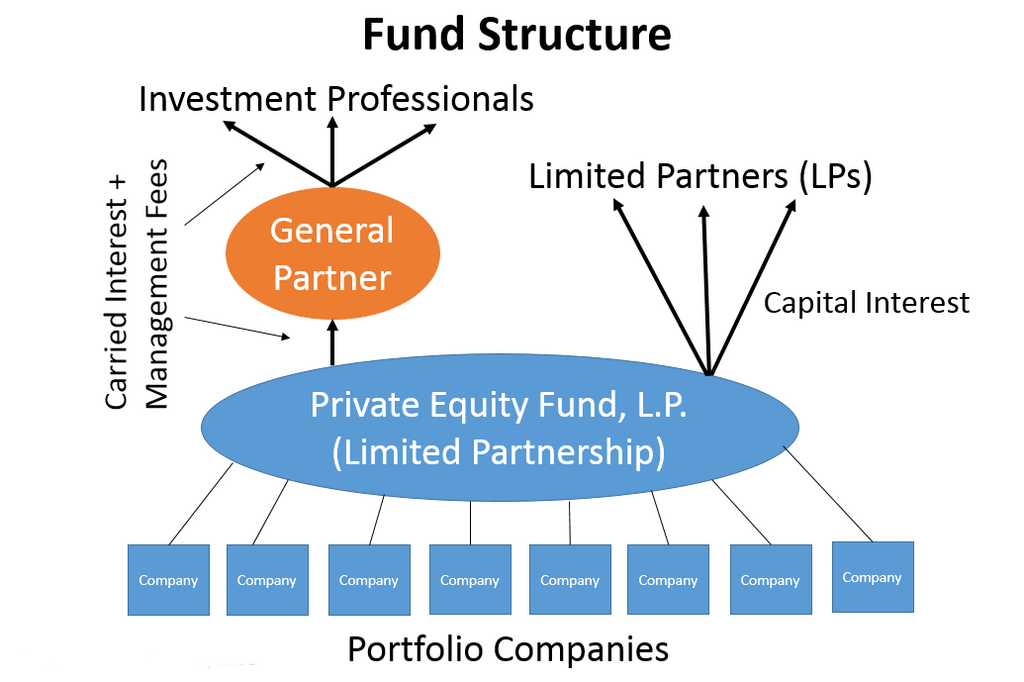
A typical VC fund might invest in 20-30 different startups across various industries or technologies. This is portfolio diversification. The idea is that the massive success of one or two companies—the next Google or Amazon—will generate returns that are large enough to cover the losses from all the other investments that don't pan out.
This is often called a 'power law' distribution. A small number of investments drive the majority of the fund's returns. This is why VCs are always looking for businesses with the potential for exponential growth. A business that could be sold for two or three times the investment isn't interesting; they need companies that could potentially return 10x, 50x, or even 100x their initial investment.
The core strategy is to find companies that can become market leaders. A modest success is often viewed as a failure in the VC world because it doesn't generate the outsized returns needed to make the fund's overall math work.
Managing this portfolio is an active process. VCs monitor their companies' progress, offer advice, make introductions, and help with future fundraising. They are not passive investors; they are deeply involved partners in building the business.
What is the primary role of a Limited Partner (LP) in a venture capital fund?
The principle that a small number of successful investments will generate the vast majority of a VC fund's returns is often called a...
This structure of investors, fund managers, and entrepreneurs creates a powerful engine for innovation, fueling the development of new technologies and businesses that can shape the future.