Venture Capital Fundamentals
Introduction to Venture Capital
What Is Venture Capital?
Venture capital, or VC, is a type of private financing provided to startups and small businesses that are believed to have long-term growth potential. Think of it as fuel for innovation. A new company with a brilliant but unproven idea often can't get a traditional bank loan. Venture capital fills this gap.
Investors, known as venture capitalists, give money to these young companies. In exchange, they don't ask for the money to be paid back with interest. Instead, they take an ownership stake in the company, also known as equity. They are betting that the company will become very successful, making their piece of the ownership incredibly valuable.
Essentially, VCs trade cash for a piece of the company, hoping for a massive payout if the company succeeds.
This model is designed for high-risk, high-reward scenarios. Many startups fail, but the few that succeed can generate enormous returns, often 10, 100, or even 1,000 times the initial investment. These big wins are expected to cover all the losses from the failed companies and still produce a hefty profit.
How VC Funding Is Different
Venture capital isn't the only way to fund a new business. It’s quite different from other common sources like bank loans and angel investors.
A bank loan is a debt. The bank lends you money that you must pay back with interest, regardless of whether your business succeeds or fails. Banks typically lend to established businesses with predictable cash flow and physical assets to use as collateral. They aren't in the business of taking big risks on unproven ideas.
Angel investors are wealthy individuals who invest their own personal money into startups, usually at a very early stage. They might be former entrepreneurs themselves and can offer valuable mentorship. However, they typically invest smaller amounts than VC firms.
Venture capital firms, on the other hand, are professional organizations that invest other people's money. They raise large pools of capital from institutions like pension funds and university endowments into a single fund. Because they manage larger sums, they can write bigger checks and often get more involved in the company's strategy.
| Feature | Bank Loan | Angel Investor | Venture Capital |
|---|---|---|---|
| Source | Financial Institution | Wealthy Individual | Professional Firm |
| Funding Type | Debt (must be repaid) | Equity (ownership) | Equity (ownership) |
| Risk Tolerance | Low | High | Very High |
| Typical Amount | Varies, collateral-based | Smaller (e.g., $25k-$250k) | Larger (e.g., $500k+) |
| Involvement | Little to none | Often provides mentorship | Active (board seats, strategic guidance) |
The VC Ecosystem
The venture capital world operates on a simple but powerful structure. It starts with investors, called Limited Partners (LPs). These are typically large institutions like pension funds, insurance companies, or wealthy family offices that want to allocate a small portion of their money to high-risk, high-return investments.
These LPs commit capital to a venture capital fund, which is managed by a VC firm. The firm's partners, known as General Partners (GPs), are responsible for finding promising startups, investing the fund's money in them, and helping them grow.
The VC firm builds a collection of these startup investments, called a portfolio. The strategy is based on the understanding that most companies in the portfolio will not succeed. However, the handful of companies that do—the next Google or Airbnb—will generate such massive returns that they make the entire fund a success.
The Stages of Investment
Venture capital isn't a one-time event. Companies typically raise money in rounds, or stages, that correspond to their level of maturity and specific milestones. While the names can vary, the progression is generally consistent.
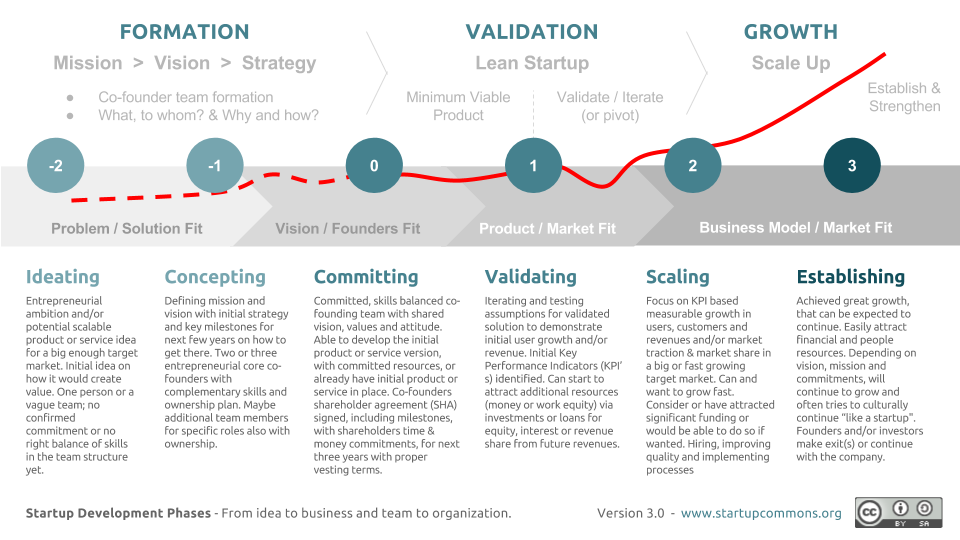
Seed Stage: This is the earliest stage. The company might just have an idea, a prototype, or a few early customers. The funding, known as seed capital, is used to find "product-market fit"—confirming that there's a real demand for what the company is building.
Early Stage (Series A, B): Once a company has proven its concept and shows signs of traction (like consistent user growth or revenue), it raises an early-stage round. A Series A round is typically the first significant round of VC funding. This capital is used to build out the team, scale up marketing and sales, and solidify the business model.
Late Stage (Series C and beyond): At this point, the company is well-established, with a proven product and a significant market share. Late-stage funding is used for aggressive expansion, such as entering international markets, acquiring other companies, or preparing for an Initial Public Offering (IPO).
Each funding round provides the fuel to get to the next major milestone, with the company becoming more valuable at each step.
By understanding these core concepts, you can see the vital role venture capital plays in transforming innovative ideas into world-changing companies.