Venture Capital Deal Sourcing Strategies
Venture Capital Fundamentals
What Is Venture Capital?
Venture capital (VC) is a type of private financing for young companies. Think of it as high-octane fuel for startups and small businesses that have the potential to grow very, very big. Traditional banks often shy away from these ventures because they're risky. A new idea, no matter how brilliant, doesn't have a long track record of profits.
Venture capital refers to financing given by well-off investors or investment banks to startups and small businesses that the investors believe have big growth potential.
That's where venture capitalists step in. They invest money in these promising, high-risk companies in exchange for an ownership stake, known as equity. The goal is straightforward: help the company succeed and grow so that the initial investment becomes much more valuable over time. It's a high-risk, high-reward game. Most startups fail, but a single massive success can generate enough returns to cover all the losses and then some.
The Key Players
The world of venture capital involves three main groups of people, each with a distinct role.
Limited Partners (LPs): These are the investors who provide the actual money for a venture capital fund. LPs can be institutions like pension funds, university endowments, and insurance companies, or they can be high-net-worth individuals. They commit capital to the fund but are not involved in its day-to-day operations. Their liability is 'limited' to the amount they invest.
Venture Capitalists (VCs): Also known as General Partners (GPs), VCs are the professionals who manage the fund. Their job is to find promising startups, perform due diligence, negotiate deals, and invest the LPs' money. But their work doesn't stop there. They take an active role in the companies they fund.
Entrepreneurs: These are the founders and innovators with the big ideas. They are building the companies that they hope will change the world. They seek venture capital not just for the money, but also for the strategic guidance and network access that experienced VCs can provide.
VCs often take an active role in mentoring founders, offering strategic guidance, and leveraging their networks to facilitate partnerships and market entry strategies.
The Funding Lifecycle
Startups don't receive all their funding at once. Instead, venture capital is invested in rounds or stages, with each new round tied to the company achieving specific milestones. This staged approach allows investors to manage risk by investing more money as the company proves itself.
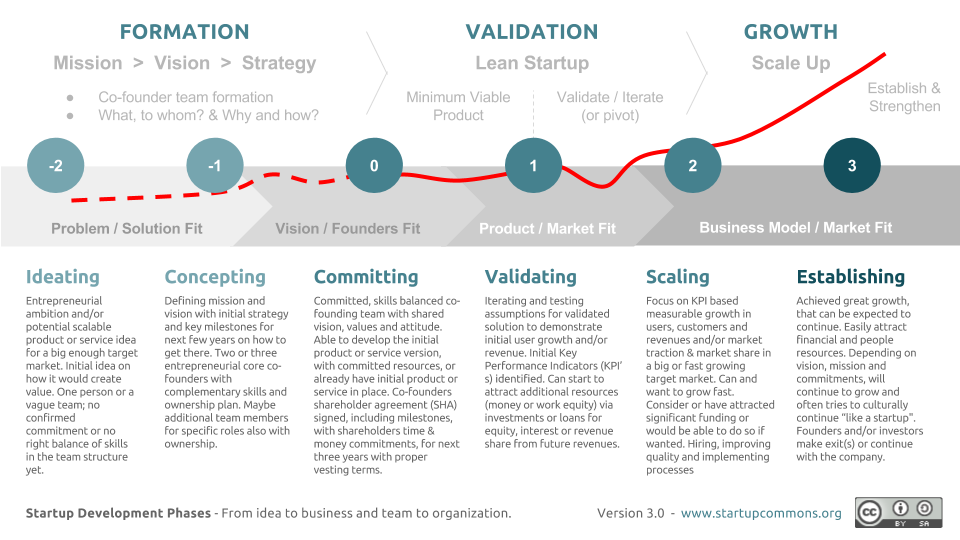
Here are the most common stages:
-
Pre-Seed/Seed Stage: This is the earliest stage. The company might just be an idea or have a very basic prototype. Funding often comes from the founders themselves, friends, family, and angel investors. The goal is to validate the idea and prove there's a market for the product.
-
Series A: After a company has a product, a clear business model, and some early traction (like users or revenue), it's ready for its Series A round. This is often the first time a company will take money from institutional venture capitalists. The capital is used to scale the business, hire key team members, and expand marketing efforts.
-
Series B: At this stage, the company is well-established and looking to grow significantly. It has a substantial user base and consistent revenue. Series B funding is used to expand market reach, grow the team, and build out the product further.
-
Series C and Beyond: These later-stage rounds are for companies that are already successful and might be looking to expand into new markets, acquire other companies, or prepare for an Initial Public Offering (IPO). The amounts of money raised are typically much larger than in earlier rounds.
The Investment Process
How does a VC firm decide where to invest? The process is a funnel. They look at thousands of companies to make just a handful of investments each year.
| Stage | Description |
|---|---|
| Sourcing | VCs find potential investments through their networks, industry events, and direct pitches from entrepreneurs. |
| Screening | An initial review of the startup's pitch deck and business plan to see if it fits the fund's investment thesis. |
| Due Diligence | This is a deep dive. The VC team rigorously examines the company's financials, team, technology, market size, and competition. |
| Term Sheet | If due diligence goes well, the VC offers a term sheet. This non-binding document outlines the basic terms and conditions of the investment. |
| Closing | After negotiations, lawyers draft the final legal documents. Once signed, the funds are transferred, and the deal is closed. |
| Post-Investment | The VC firm works with the startup, often taking a board seat, to help it grow and achieve its goals. |
This structured process helps VCs systematically evaluate opportunities and manage the immense risk inherent in investing in new ventures. It's a disciplined approach to finding the next big thing.
What is the primary goal of a venture capitalist when investing in a startup?
In the world of venture capital, who are the investors (often institutions or high-net-worth individuals) that provide the money for a VC fund but are not involved in its day-to-day management?
Understanding these core concepts is the first step into the world of venture capital. You now have a foundational map of the landscape, the key players, and the process that powers innovation.