Venture Capital and Private Equity Fundamentals
Introduction to Private Equity and Venture Capital
Private Equity and Venture Capital
Let's start with the basics. Most big companies you know, like Apple or Amazon, are publicly traded. You can buy a piece of them, called a share, on a stock exchange. But what about companies that aren't on the stock market? That's where private equity comes in.
Private equity refers to investments in privately held companies — those not listed on public stock exchanges.
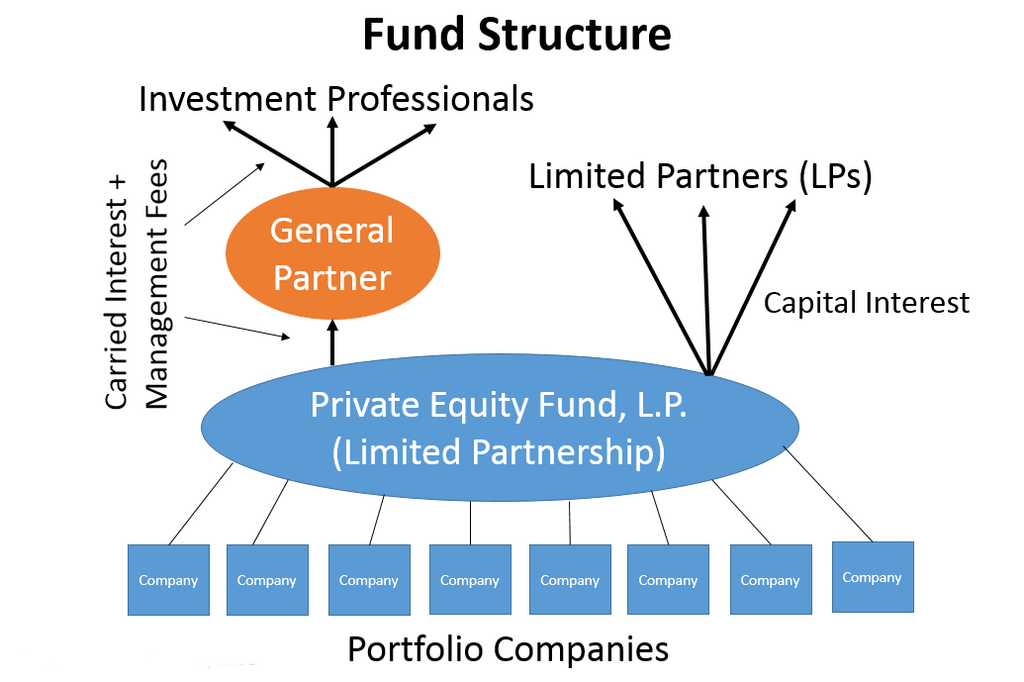
Private Equity (PE) firms pool money from investors to buy stakes in private companies. Sometimes they buy the entire company. Their goal is to improve the business over several years and then sell their stake for a profit.
Venture Capital (VC) is a specific type of private equity. While PE firms might invest in any kind of private company, VCs focus on one particular type: new, early-stage startups with the potential for massive growth. Think of a small tech company with a brilliant idea but no money to build it. A VC fund might provide the cash in exchange for a piece of the company.
Venture capital is a subset of private equity focusing on early-stage startups with high potential growth.
Essentially, all venture capital is private equity, but not all private equity is venture capital. VC is the high-risk, high-reward corner of the private investment world.
Key Differences
The main differences between traditional PE and VC boil down to the type of company they invest in and the role they play.
| Feature | Private Equity (PE) | Venture Capital (VC) |
|---|---|---|
| Company Stage | Mature, established businesses. | Early-stage startups. |
| Investment Goal | Improve operations, increase profitability. | Fund rapid growth and scale. |
| Ownership Stake | Often a majority or controlling stake. | Typically a minority stake. |
| Risk Profile | Moderate to high. | Very high. Startups often fail. |
| Source of Funds | Uses a mix of investor money and debt. | Primarily investor money (equity). |
PE firms act like strategic partners, often taking control to streamline a company's operations. VCs, on the other hand, act more like mentors and funders, providing the capital and connections a young company needs to get off the ground. Both play a vital role in the financial ecosystem by fueling growth and innovation in parts of the economy that public markets can't reach.
Alternative Investment Funds in India
In India, PE and VC funds are regulated as Alternative Investment Funds (AIFs). An AIF is simply a privately pooled investment vehicle. It collects funds from sophisticated investors, whether Indian or foreign, and invests that money according to a defined policy. They're "alternative" because they don't fall into traditional categories like mutual funds or insurance products.
AIF
noun
An Alternative Investment Fund (AIF) is a privately pooled investment vehicle established in India that collects funds from investors to invest in accordance with a defined investment policy for the benefit of its investors.
The Securities and Exchange Board of India (SEBI) is the regulatory body for AIFs. SEBI's regulations classify AIFs into three categories, which helps organize them by their investment strategy and potential economic impact.
Category I: Funds that invest in startups, early-stage ventures, or social ventures. The government often provides incentives for these funds because they fuel economic growth and innovation. Most VC funds fall into this category.
Category II: These funds invest in equity or debt and don't take on leverage (borrowed money) for anything other than day-to-day operational needs. This is where most traditional PE funds and debt funds are classified.
Category III: Funds that use diverse and complex trading strategies, often employing leverage to generate high returns. Hedge funds are a prime example.
This framework ensures that these powerful investment vehicles operate with transparency and accountability, protecting investors while allowing capital to flow to promising ventures across the country.