Ventral Vagal Pathways in AEDP
Ventral Vagal Physiology
The Social Nervous System
At the heart of feeling safe and connected is a specific part of our nervous system: the ventral vagal complex (VVC). According to Polyvagal Theory, this is the most recently evolved branch of our autonomic nervous system. Think of it as the neurological foundation for our social engagement system. It's what allows us to connect with others, feel at ease, and emotionally regulate in a healthy way.
The ventral vagal complex, which governs social engagement and safety, is closely linked to our ability to regulate emotions.
Unlike the older parts of our nervous system designed for primitive survival responses, the ventral vagal system is uniquely mammalian. It supports the complex social behaviors that are critical for our survival as a species, from mother-infant bonding to forming cooperative communities.
Anatomy and Evolution
The ventral vagal pathway originates in the brainstem, specifically in a region called the nucleus ambiguus. From here, its nerve fibers travel upwards to influence the muscles of the face, larynx (voice box), and pharynx (throat). It also sends fibers downwards to the heart and lungs.
Critically, these nerve fibers are myelinated. Myelin is a fatty sheath that acts like insulation on an electrical wire, allowing nerve impulses to travel much faster and more efficiently. This speed is what enables us to make rapid adjustments in our social expressions, vocal tone, and even our heart rate in response to social cues.
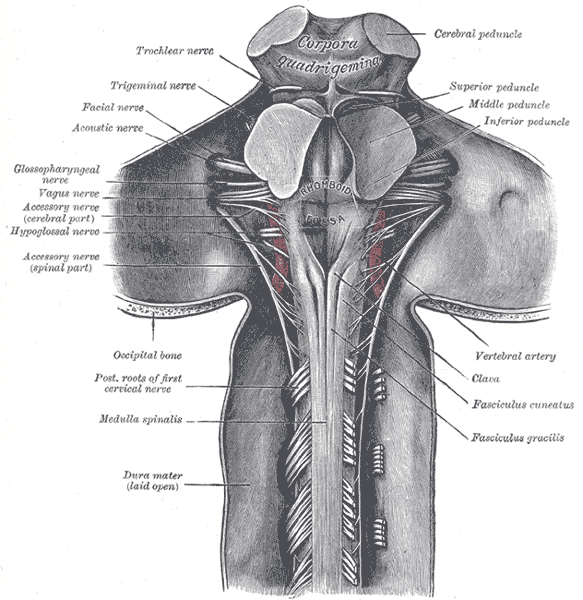
This myelinated system evolved on top of an older, unmyelinated vagal pathway known as the dorsal vagal complex. The dorsal vagal system is a more primitive circuit associated with shutdown or freeze responses. The evolution of the ventral vagal complex provided a new, more sophisticated way to handle challenges—not by fighting, fleeing, or freezing, but by connecting with others for safety and co-regulation.
The Feeling of Safety
The primary role of the ventral vagal system is to promote a state of safety and social engagement. When this system is active, or "online," we feel calm, grounded, and open to connection. Our heart rate slows down, our breathing becomes regular, and we can more easily interpret the facial expressions and vocal tones of others as friendly.
This state allows for a range of prosocial behaviors. The ventral vagal system's connection to the facial muscles enables us to smile, make eye contact, and show expressive emotions. Its influence on the larynx allows us to speak in a calm, melodic tone, which communicates safety to others. It essentially turns off our defensive systems and turns on our social ones.
In the Ventral Vagal State: One experiences feelings of safety, happiness, slower heart rate, being more engaged, peaceful, and reduced physiological responses because the system is at homeostasis.
This system doesn't just make us feel good; it's a biological imperative. Feeling safe and connected is crucial for our health and well-being. When the ventral vagal system is active, it promotes physical and psychological recovery, supports immune function, and allows for learning and creativity.
The Vagal Brake
How does the ventral vagal system calm us down? Through a mechanism Dr. Porges calls the "vagal brake." Just as a car's brakes slow it down, the vagal brake actively slows the heart rate. When we feel safe, the myelinated fibers of the ventral vagus send signals to the heart's pacemaker, inhibiting its activity and creating a calm, regular rhythm.
This brake can be released quickly if we perceive a threat. This allows the heart to speed up instantly, preparing us for a fight-or-flight response mediated by the sympathetic nervous system. When the threat passes, a healthy ventral vagal system can re-engage the brake, allowing for a swift return to a calm state. This flexibility is a key feature of a resilient nervous system.
The vagal brake—central to PVT—refers to the VVC's capacity to rapidly inhibit cardiac output via myelinated efferents.
The activation and deactivation of this system happen subconsciously through a process called neuroception. Our nervous system is constantly scanning our environment—both internal and external—for cues of safety or danger, long before our conscious mind is aware of it. Friendly faces, a soft tone of voice, or a calm environment are all cues of safety that engage the ventral vagal system and apply the vagal brake, allowing us to relax and connect.
According to Polyvagal Theory, what is the primary role of the ventral vagal complex (VVC)?
The high speed and efficiency of the ventral vagal pathway, which allows for rapid social responses, is primarily due to what characteristic of its nerve fibers?
Understanding this physiology is the first step. It reveals that our feelings of safety and connection are not just psychological ideas but are rooted in the tangible workings of our nervous system.