Venezuela's Present Challenges
Historical Context
The Bolivarian Revolution
To understand modern Venezuela, we have to start with Hugo Chávez. A former military officer, Chávez was elected president in 1998 on a wave of popular discontent. He promised to upend the old political order and redirect the country's vast oil wealth toward the poor.
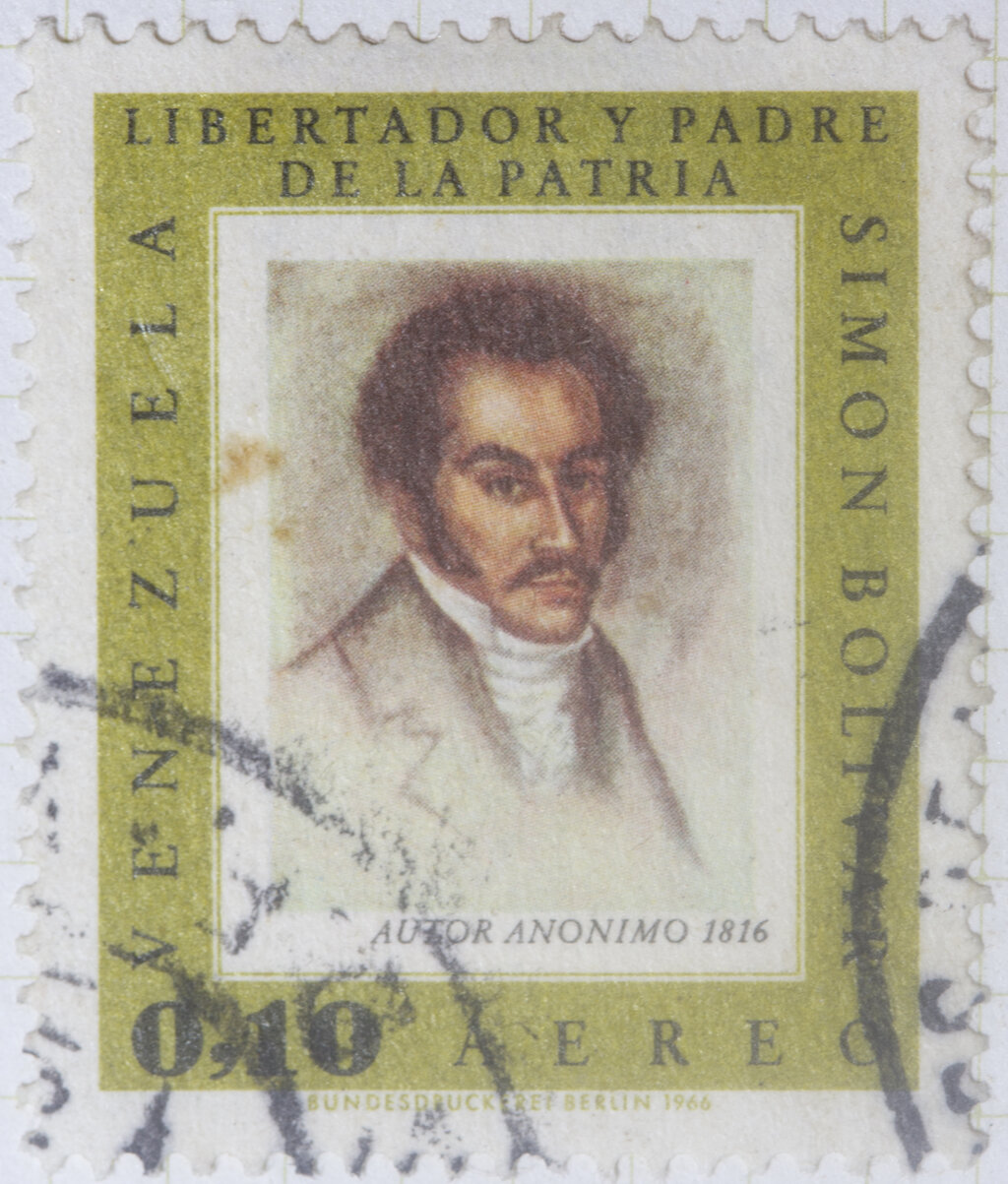
Once in office, he began what he called the Bolivarian Revolution. It was named after Simón Bolívar, the 19th-century general who liberated much of South America from Spanish rule. Chávez's vision was a blend of socialism, populism, and anti-imperialism. He rewrote the constitution, consolidated political power, and positioned himself as a champion of the people against foreign interests, particularly the United States.
Once in power, he launched what he called the Bolivarian Revolution, named after Simon Bolivar, the South American independence leader.
The engine of this revolution was oil. Venezuela has one of the world's largest proven oil reserves. During the 2000s, global oil prices soared, flooding the government with cash. Chávez used this windfall to nationalize key industries, including the state oil company, PDVSA, and fund extensive social programs known as misiones (missions). These programs provided food, housing, and healthcare to millions of impoverished Venezuelans.
However, these policies created deep-seated problems. The economy became almost entirely dependent on oil exports, a dangerous gamble on a volatile commodity. Nationalizing private industries and seizing assets scared off foreign investment and led to mismanagement. While popular at home, Chávez's fiery rhetoric and alliances with countries like Cuba and Iran created tense relationships abroad.
Chavez’s nationalisation of the oil industry and vocal stance against US imperial interests in Latin America soured the ties.
Maduro Takes the Helm
After a long battle with cancer, Hugo Chávez died in 2013. Before his death, he named his vice president, Nicolás Maduro, as his chosen successor. Maduro, a former bus driver and union leader, narrowly won the subsequent election, promising to continue Chávez's revolution.
But Maduro inherited a very different situation. He lacked Chávez's charisma and popular support. More importantly, the economic foundation of the Bolivarian project was starting to crumble. In 2014, global oil prices collapsed, and Venezuela's main source of income dried up.
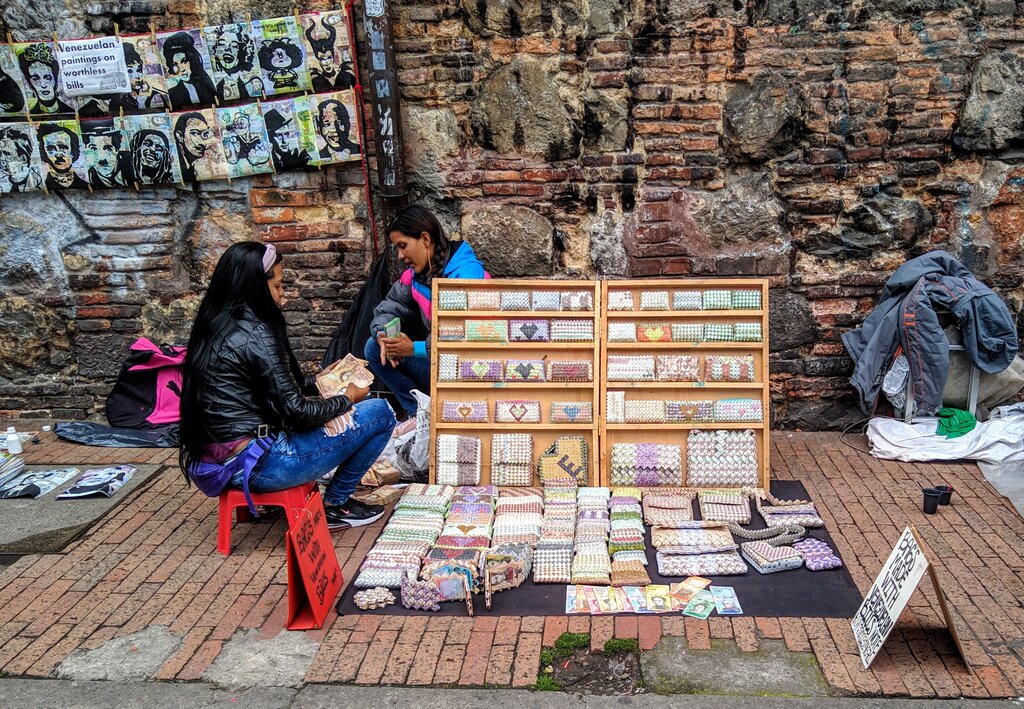
Instead of changing course, Maduro's government doubled down on the existing policies. It printed massive amounts of money to cover its expenses, leading to hyperinflation. Price controls, meant to keep goods affordable, created massive shortages as it became unprofitable for businesses to produce or import anything. The social programs, once the pride of the revolution, became unsustainable.
The economy entered a freefall. Savings were wiped out, shelves in stores became bare, and the national currency, the bolívar, became nearly worthless.
As the economic crisis deepened, so did the political one. The government grew more authoritarian, cracking down on opposition protests, jailing political opponents, and undermining democratic institutions like the National Assembly. This consolidation of power further isolated Venezuela on the international stage.
Let's check your understanding of this crucial period in Venezuela's history.
What was the name of the political and social project initiated by Hugo Chávez, inspired by a 19th-century liberation figure?
What was the primary source of funding for Hugo Chávez's extensive social programs, known as misiones?
The decisions made during the Chávez and Maduro years set the stage for the profound challenges Venezuela faces today. The combination of oil dependency, unsustainable spending, and political polarization created a crisis that would eventually ripple across the entire region.