Vehicle Vibration Analysis and Solutions
Introduction to Vehicle Vibrations
The Shakes and Rattles
Every time you drive, your car is in a constant state of motion. Not just forward motion, but a complex dance of tiny, rapid movements back and forth. These are vehicle vibrations. They come from the engine, the tires on the road, and even the air rushing over the car's body.
Vibration
noun
A rapid, repeating back-and-forth or up-and-down movement of an object around a central position.
So why do we care about a little shaking? Understanding vibrations is critical for building cars that are safe, comfortable, and durable. Uncontrolled vibrations can lead to annoying noises, a bumpy ride, and even cause parts to wear out and fail prematurely. Engineers spend countless hours studying these movements to design systems that absorb, dampen, or isolate them from the driver and passengers.
Anatomy of a Vibration
At its core, any vibrating system can be simplified to three main components: mass, a spring, and a damper. Think of a simple model: a weight (mass) attached to a spring. If you pull the weight down and let it go, it will bob up and down. The spring provides a restoring force, always trying to pull the mass back to its resting position. The mass provides inertia, causing it to overshoot that position.
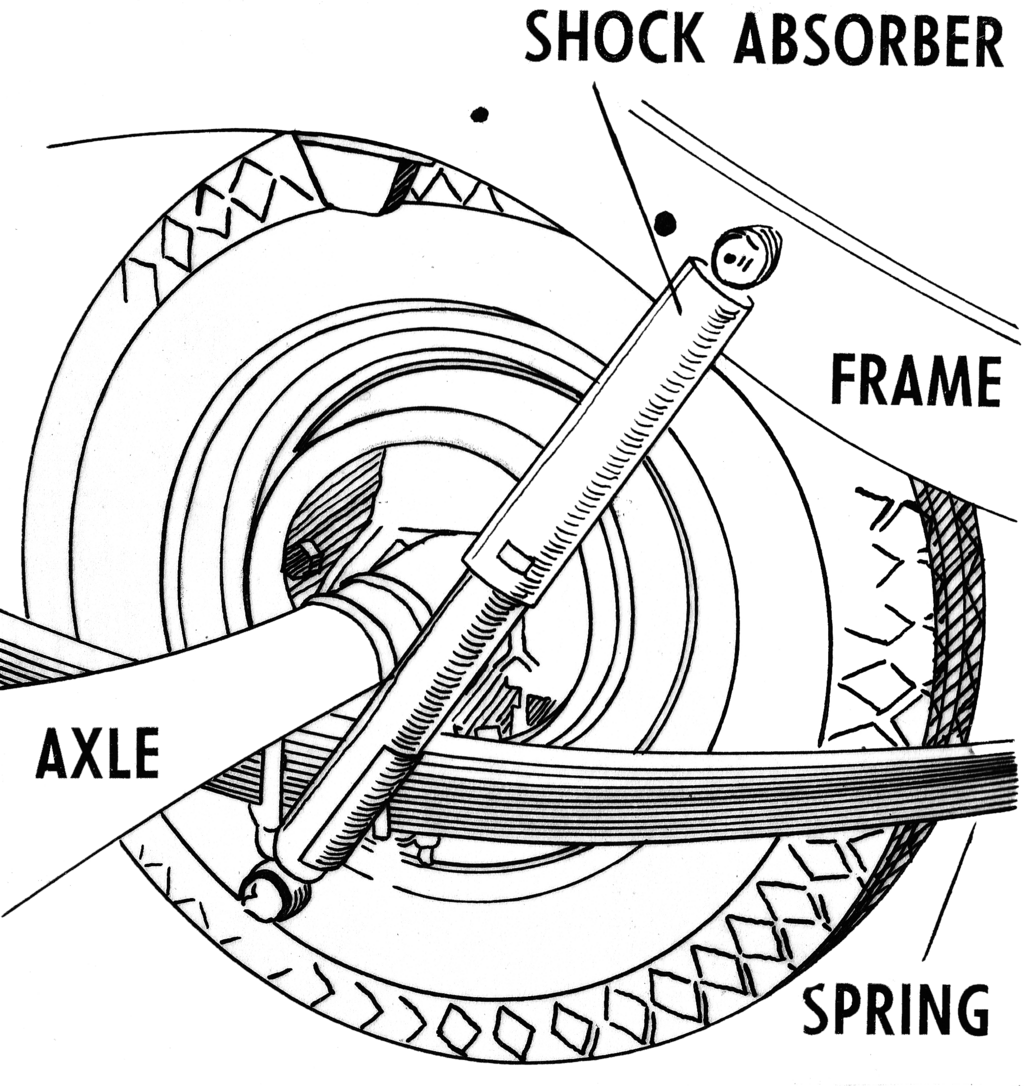
Now, add a damper. In a car, this is the shock absorber. The damper's job is to dissipate energy, usually by forcing oil through small passages. It resists motion and causes the bouncing to die down quickly. Without dampers, a car would continue to bounce for a long time after hitting a single bump.
This simple model helps engineers understand and predict how different parts of a vehicle will behave. The body of the car is a mass, the tires and suspension are springs, and the shock absorbers are dampers.
Forced vs. Free Vibrations
Vibrations come in two main flavors: free and forced.
Free vibration happens when a system is disturbed once and then allowed to move on its own. Hitting a pothole is a perfect example. The impact provides an initial burst of energy, and the suspension oscillates until the shock absorbers bleed that energy away. Think of plucking a guitar string—it vibrates at its natural frequency until the sound fades.
Forced vibration occurs when a repeating force continuously acts on the system. The most common source in a car is the engine. As the engine runs, its rotating and reciprocating parts create a constant, rhythmic force that can cause the entire car to vibrate. Driving on a bumpy road also creates a forced vibration, as the tires are continuously pushed up and down.
A key goal in vehicle design is to ensure that the forced vibrations from the engine and road don't match the natural frequencies of the car's body or suspension. When they do, a phenomenon called resonance can occur, leading to dramatically amplified and potentially damaging vibrations.
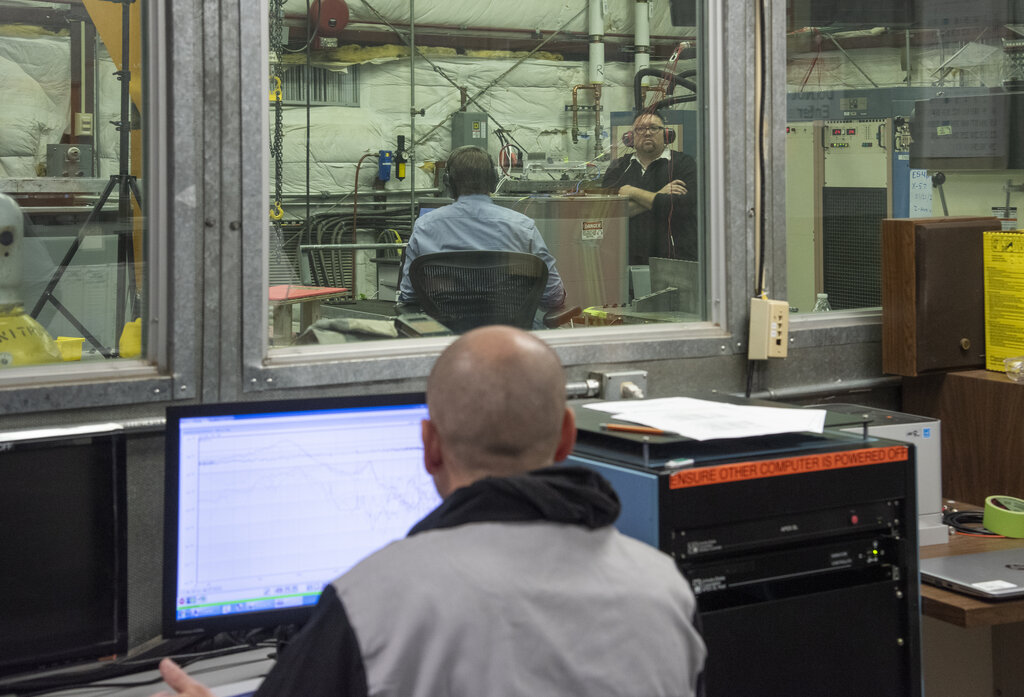
By understanding these fundamental principles, engineers can design vehicles that isolate you from the constant vibrations of the engine and smooth out the roughest roads, creating a ride that is both comfortable and safe.