Vehicle GPS Installation Guide
Understanding GPS Technology
How Your GPS Knows Where You Are
The Global Positioning System, or GPS, is a network of satellites orbiting the Earth. Think of them as stars in a man-made constellation. At any given time, there are at least 24 of these satellites zipping around the planet, broadcasting signals down to us.
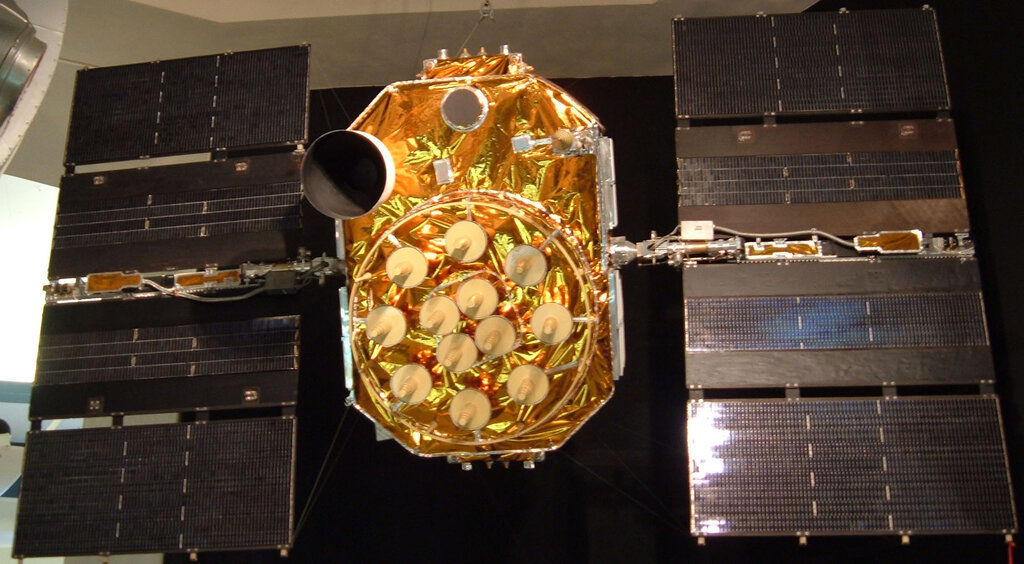
Your GPS device, whether it's in your car or on your phone, is a receiver. Its job is to listen for these signals. Each signal contains two key pieces of information: the satellite's location and the exact time the signal was sent.
Because the signals travel at the speed of light, your receiver can figure out how far away a satellite is by measuring how long it took for the signal to arrive. It's all based on a simple formula.
Pinpointing Your Location
Knowing your distance from a single satellite isn't enough. It just tells you that you're somewhere on the surface of a giant, imaginary sphere with the satellite at its center. To get a precise location, your receiver needs to hear from multiple satellites at once. This process is called trilateration.
With a signal from a second satellite, your receiver can narrow your location down to two possible points where the two spheres intersect. A third satellite is needed to narrow it down to just one spot on Earth's surface.
So, three satellites are enough for location, right? Almost. There's one more catch: timing. The atomic clocks on the satellites are incredibly accurate, but the clock in your GPS receiver is not. Even a tiny timing error can throw off the distance calculation by miles. A fourth satellite signal is used to sync the receiver's clock and correct this error, ensuring you get an accurate position.
For an accurate 3D position (latitude, longitude, and altitude), a GPS receiver needs to lock onto the signals of at least four different satellites.
The Importance of a Clear Signal
For this whole system to work, your GPS device needs a clear line of sight to the satellites. The signals they broadcast are relatively weak and can be blocked by solid objects.
This is why your GPS might not work well indoors, in a dense forest, in a tunnel, or surrounded by skyscrapers in a city. The receiver needs an unobstructed view of the sky to hear the signals clearly. When installing a GPS device in a vehicle, placement is key to ensure it can 'see' the sky and maintain a strong connection to the satellite network.
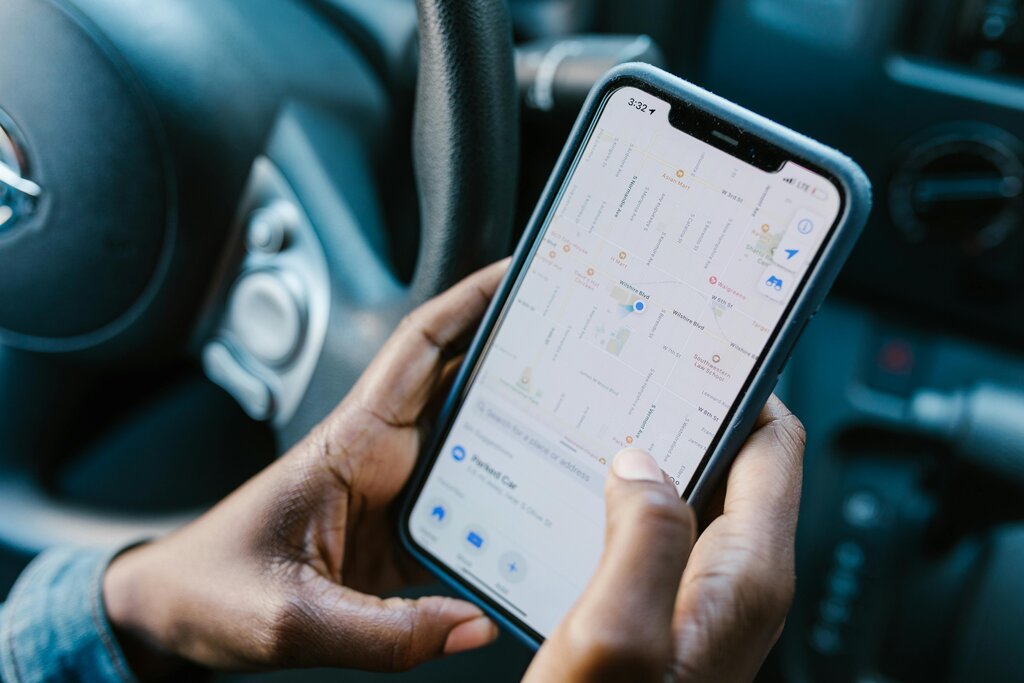
Now that you know the basics of how GPS works, let's test your knowledge.
What is the primary role of the satellites in the GPS network?
The process of determining a location by measuring distances from multiple satellites is called:
Understanding these core principles is the first step. It helps you appreciate the technology and makes troubleshooting much easier if you ever run into issues.