Vedic Math Calculation Techniques
Introduction to Vedic Mathematics
A Different Way to Calculate
Vedic Mathematics is a system of mental calculation. It's not a different branch of math like algebra or geometry, but rather a unique approach to arithmetic and algebra using simple, intuitive techniques. The system as we know it today was introduced to the world by an Indian monk, Bharati Krishna Tirthaji, in his book Vedic Mathematics, published in 1965, five years after his death.
Tirthaji claimed that he discovered these techniques after years of studying the Vedas, which are ancient Hindu scriptures. He said the entire system is based on 16 simple rules or word-formulas, which he called sutras.
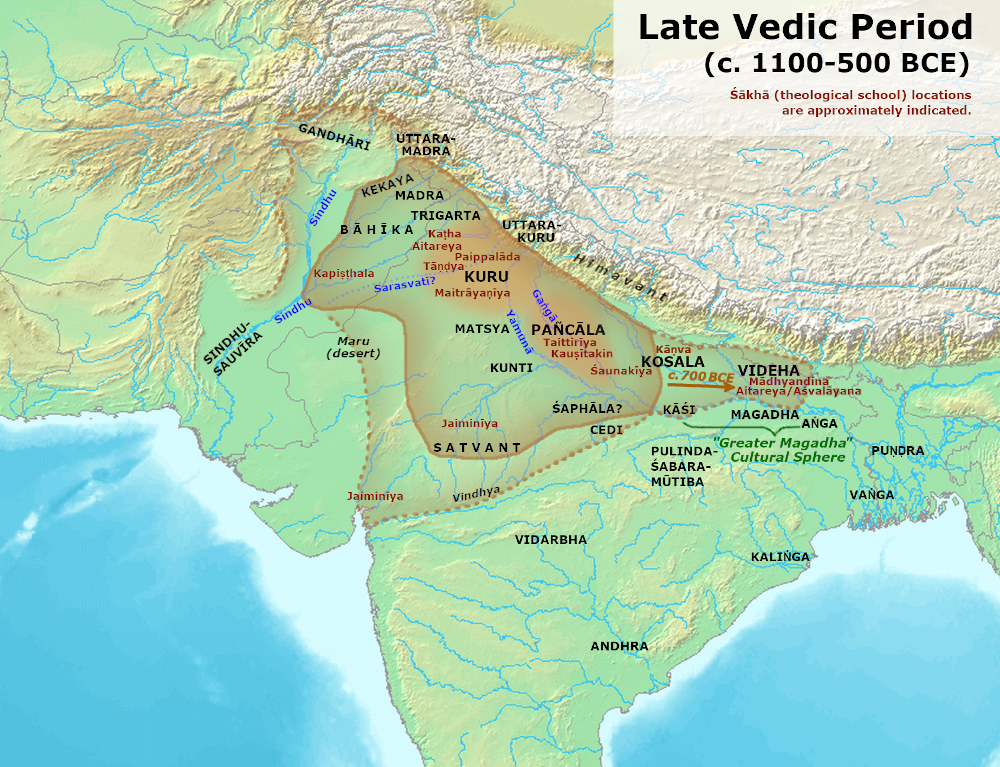
However, there's a debate here. While Tirthaji presented his work as a rediscovery of ancient knowledge, many academic scholars and mathematicians have been unable to trace these specific sutras back to any known Vedic texts. They suggest that Tirthaji's system is a modern creation, a brilliant new approach to calculation that was inspired by the principles and spirit of ancient Indian thought, rather than a direct translation of lost appendices of the Vedas. Regardless of its origins, the system itself is remarkably effective.
The 16 Word-Formulas
The foundation of Vedic Mathematics is a set of 16 sutras and 13 sub-sutras. These aren't complex mathematical theorems but short, memorable phrases that guide you on how to approach a problem. They act as mental signposts, making complex calculations feel more like puzzles than chores. The idea is that these sutras reflect the natural way the mind works, making math more intuitive.
| Sutra (Sanskrit) | English Meaning |
|---|---|
| 1. Ekādhikena Pūrveṇa | By one more than the previous one |
| 2. Nikhilam Navataścaramaṁ Daśataḥ | All from 9 and the last from 10 |
| 3. Urdhva-Tiryagbhyām | Vertically and crosswise |
| 4. Parāvartya Yojayet | Transpose and apply |
| 5. Śūnyam Sāmyasamuccaye | When the sum is the same, that sum is zero |
| 6. Ānurūpye Śūnyamanyat | If one is in ratio, the other is zero |
| 7. Saṅkalana-Vyavakalanābhyāṁ | By addition and by subtraction |
| 8. Pūraṇāpūraṇābhyāṁ | By the completion or non-completion |
| 9. Calana-Kalanābhyāṁ | Differences and similarities |
| 10. Yāvadūnam | Whatever the extent of its deficiency |
| 11. Vyaṣṭisamaṣṭiḥ | Part and whole |
| 12. Śeṣāṇyaṅkena Carameṇa | The remainders by the last digit |
| 13. Sopāntyadvayamantyam | The ultimate and twice the penultimate |
| 14. Ekanyūnena Pūrveṇa | By one less than the previous one |
| 15. Guṇitasamuccayaḥ | The product of the sum is the sum of the products |
| 16. Guṇakasamuccayaḥ | The factors of the sum is equal to the sum of the factors |
You don't need to memorize them all at once. Each one unlocks a specific type of shortcut, which we'll explore later. The goal is to develop a feel for which tool to use for which problem.
Why Does It Matter Today?
In a world of calculators and computers, why bother with mental math techniques? The relevance of Vedic Mathematics lies less in its ability to replace technology and more in how it trains the brain. Learning these methods can dramatically increase calculation speed and accuracy, which is a huge advantage in timed exams and competitive settings.
Practicing these techniques builds mental agility and a deeper number sense, making you a more flexible and confident problem-solver.
Many students find that this approach removes the fear of large numbers. Instead of a rigid, one-size-fits-all method for multiplication or division, Vedic math offers multiple creative paths to the same answer. This flexibility makes math feel less like a rigid set of rules and more like a creative exercise.
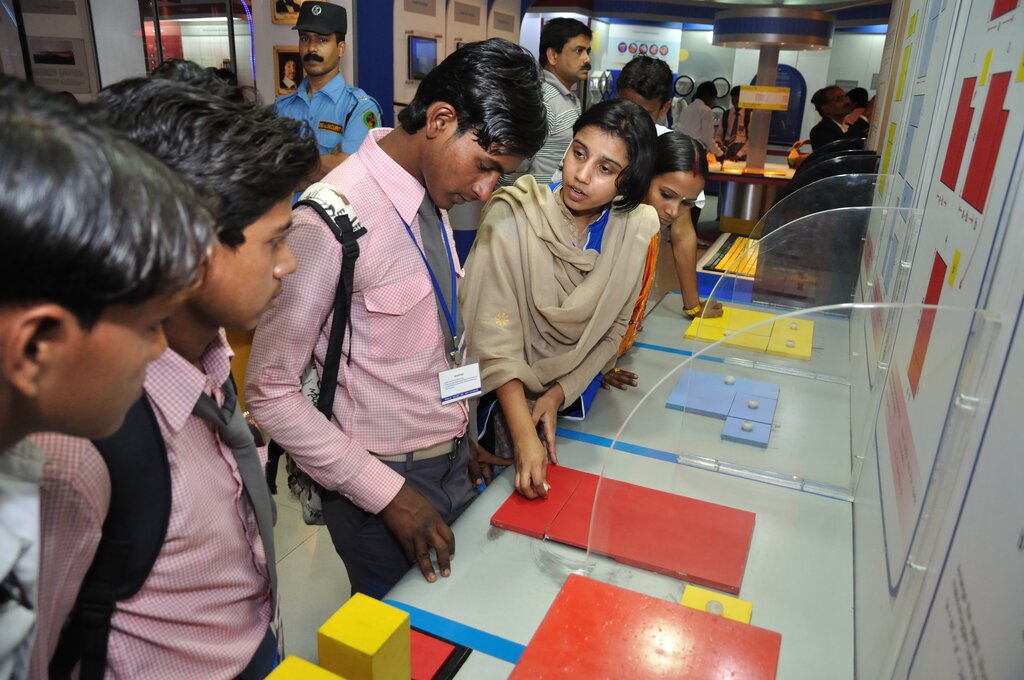
Ready to see what you've learned about the background of this unique system? Let's try a few questions.
Who is credited with compiling and introducing the system of Vedic Mathematics to the modern world in his 1965 book?
The fundamental principles of Vedic Mathematics are based on 16 simple word-formulas called...
Now that you understand the history and core ideas behind Vedic Mathematics, we can begin to explore how the sutras are applied to actual problems.