Vedic Astrology Mastery
Introduction to Vedic Astrology
The Science of Light
Vedic astrology is an ancient system of knowledge from India. Its traditional name is Jyotisha, which translates to the “science of light.” It studies the movements of celestial bodies and interprets their influence on human life.
The science of light or heavenly bodies
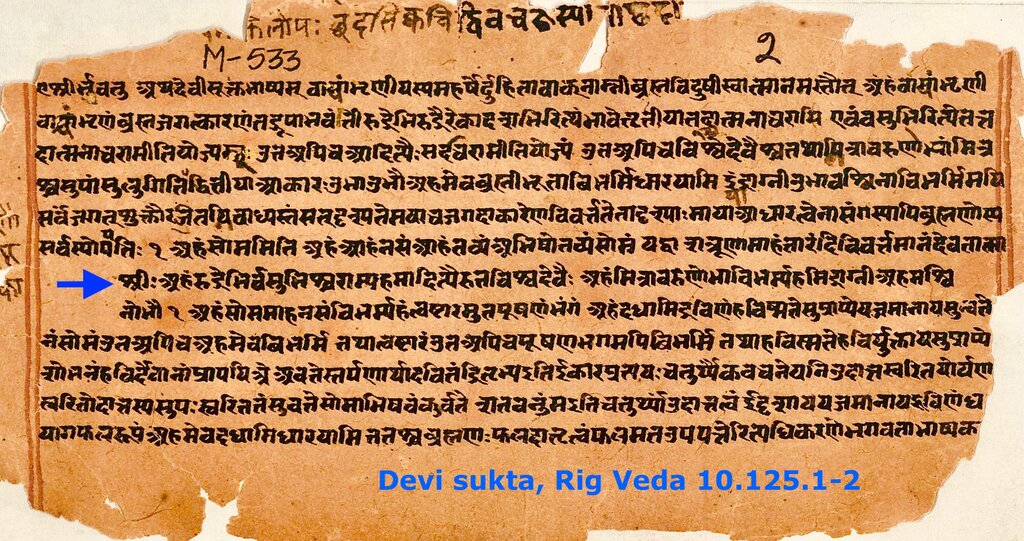
This tradition is considered a Vedanga, or a limb of the Vedas, the most ancient scriptures of Hinduism. Its original purpose was not to predict personal fortunes, but to create a precise calendar for performing Vedic rituals and ceremonies. Over thousands of years, it evolved into a complex system for understanding an individual's karma and life path.
From Rituals to Horoscopes
The foundational ideas of Jyotisha are found in texts like the Vedanga Jyotisha, which is one of the earliest known Indian texts on astronomy. It laid out rules for tracking the sun and moon to time religious rites. This was a practical science, essential to the spiritual life of the time.
Later, great sages and scholars expanded upon these astronomical principles. Sages like Parashara are credited with works such as the Brihat Parashara Hora Shastra, which became a cornerstone of predictive astrology. Another pivotal work is the Brihat Jataka by the scholar Varahamihira, written around the 6th century. These texts shifted the focus from communal ritual timing to individual horoscopy, creating the system we recognize today.
Jyotisha is seen as a map of our karma. It doesn't dictate a fixed fate, but rather shows the energies and tendencies we are born with, offering guidance on how to navigate them.
Vedic vs Western Astrology
While both systems look to the stars, Vedic and Western astrology use different zodiacs. This is the most significant distinction between them and leads to different chart calculations. The Western system uses the Tropical Zodiac, which is tied to the seasons. It fixes the beginning of Aries to the spring equinox.
Vedic astrology uses the Sidereal Zodiac. This system is based on the actual positions of the constellations in the sky. Because of a slight wobble in the Earth's axis, called precession, the constellations have drifted from where they were thousands of years ago. The Sidereal Zodiac accounts for this drift, which is called the ayanamsha. This means that the position of planets in your Vedic chart is usually about 24 degrees earlier than in your Western chart. Often, this will shift your sun sign to the previous sign.
| Feature | Vedic Astrology (Jyotisha) | Western Astrology |
|---|---|---|
| Zodiac | Sidereal (Fixed stars) | Tropical (Seasons) |
| Key Celestial Points | Includes Rahu & Ketu (lunar nodes) | Focuses on planets, including Uranus, Neptune, Pluto |
| Primary Focus | Karma, life path, and timing of events | Psychological profile and personality traits |
| House System | Primarily Whole Sign houses | Often uses Placidus or other quadrant systems |
Beyond the zodiac, Vedic astrology places great emphasis on the Moon's nodes, Rahu (the north node) and Ketu (the south node). These are not physical planets but mathematical points where the Moon's orbit crosses the Earth's orbit around the Sun. They are considered powerful karmic indicators, representing our desires, obsessions, and past-life influences.
A Guiding Light in Culture
In India, Jyotisha is deeply woven into the fabric of daily life. It's far more than a simple horoscope in a newspaper. Families consult astrologers for major life decisions, such as choosing a marriage partner, naming a child, starting a business, or building a new home. The goal is to align actions with favorable cosmic energies.
This practice, called Muhurta, or electional astrology, is used to select the most auspicious time for an event to begin. It reflects a worldview where humans are not separate from the cosmos but are part of its rhythmic, interconnected dance. The astrological chart is a tool for understanding one's place within that cosmic order.
Now that you understand the foundations of this ancient science, let's test your knowledge.
What was the original, primary purpose of Jyotisha (Vedic astrology)?
The most significant difference between the Vedic (Sidereal) and Western (Tropical) zodiacs is that the Vedic system accounts for a phenomenon known as:
You've now learned about the origins and core principles of Vedic astrology. It is a profound system that has guided people for millennia, offering a unique perspective on life, karma, and the cosmos.