Veblen and the Economics of Status
Pecuniary Emulation Mechanics
The Comparison Game
For most of us, the desire for more money isn't just about buying more things. It's about status. We want to be seen as successful, and in a commercial society, wealth is the most visible scorecard. This isn't a new idea, but sociologist and economist gave it a precise and cutting name: pecuniary emulation.
Pecuniary emulation is the drive to match or surpass others in terms of wealth. But Veblen argued it goes deeper than simple envy. The real engine is something he called "invidious comparison." This is the continuous, often subconscious process of evaluating our own self-worth by comparing our financial standing to that of our neighbors, colleagues, and friends. Our social esteem doesn't depend on how much we have in absolute terms, but on how much more we have than others.
Pecuniary emulation refers to the social practice of competing through wealth.
Think of it like a subtle form of combat. Where Machiavelli described power in terms of political maneuvering and force, Veblen saw a similar battle playing out in bank accounts and shopping habits. A bigger house, a newer car, a more expensive vacation—these aren't just possessions. They are trophies, visible proof of success in the social arena. Wealth becomes a weapon in the fight for reputability.
The Habit of Ownership
Veblen traced this competitive instinct back to the dawn of property. He argued that the concept of private ownership didn't begin with a simple need for survival. Instead, it emerged as a predatory habit. In early tribal societies, status was won through prowess in battle. Possessions were seized as trophies—evidence of dominance over rivals.
Over time, this evolved. Owning things became a substitute for physical conquest. The accumulation of property was no longer about taking things from an enemy, but about demonstrating the ability to do so. Property, for Veblen, is fundamentally an assertion of predatory power. It's a way of saying, "I am successful enough to command these resources."
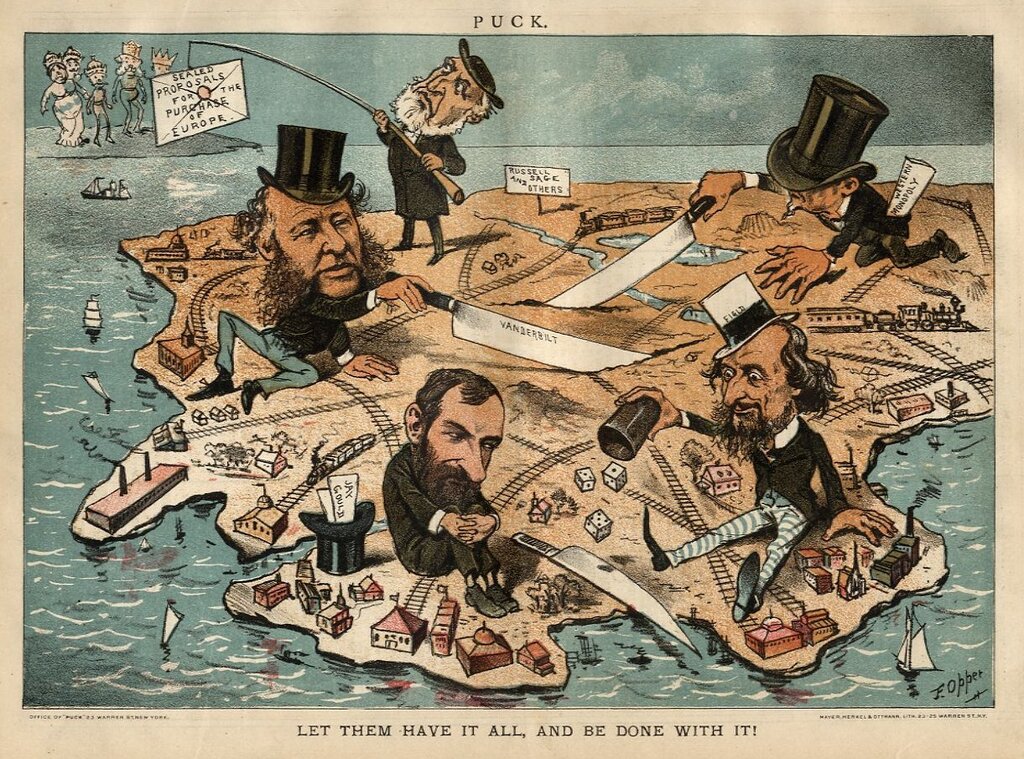
This predatory instinct fuels the cycle of emulation. Since our self-esteem is tied to how we rank against others, we are constantly looking for ways to display our financial strength. The most straightforward way to do that is through consumption.
The Social Ladder
This drive creates a clear social hierarchy based on wealth. Veblen saw society as a pyramid of reputability, with the wealthiest "leisure class" at the top. This elite group sets the standard for what is considered a respectable, successful life. Their tastes, habits, and spending patterns become the ideal that everyone else strives to imitate.
The mechanism of emulation cascades down through every social layer. A middle-manager doesn't try to live like a billionaire; that goal is too distant. Instead, they try to emulate the lifestyle of their director. A factory worker, in turn, might aspire to the consumption habits of their supervisor. Each class directs its toward the stratum immediately above it.
This creates a perpetual social 'rat race.' No one is ever content. The standard of what constitutes an adequate or respectable lifestyle is always being pushed higher by the class above. The result is that a large portion of every family's income is spent not on what they need or even truly want, but on maintaining a certain level of reputability. This pressure to keep up is relentless, affecting everyone from the bottom of the pyramid to just below the very top.
Time to check your understanding of these ideas.
According to Thorstein Veblen, what is the primary psychological driver behind the desire for more wealth, also known as pecuniary emulation?
How did Veblen characterize the historical origin of private property?
This constant striving, rooted in a deep-seated need for social esteem, is the engine that powers much of the consumer economy.