Valuing FMCG Startups
FMCG Industry Overview
What Are Fast-Moving Consumer Goods?
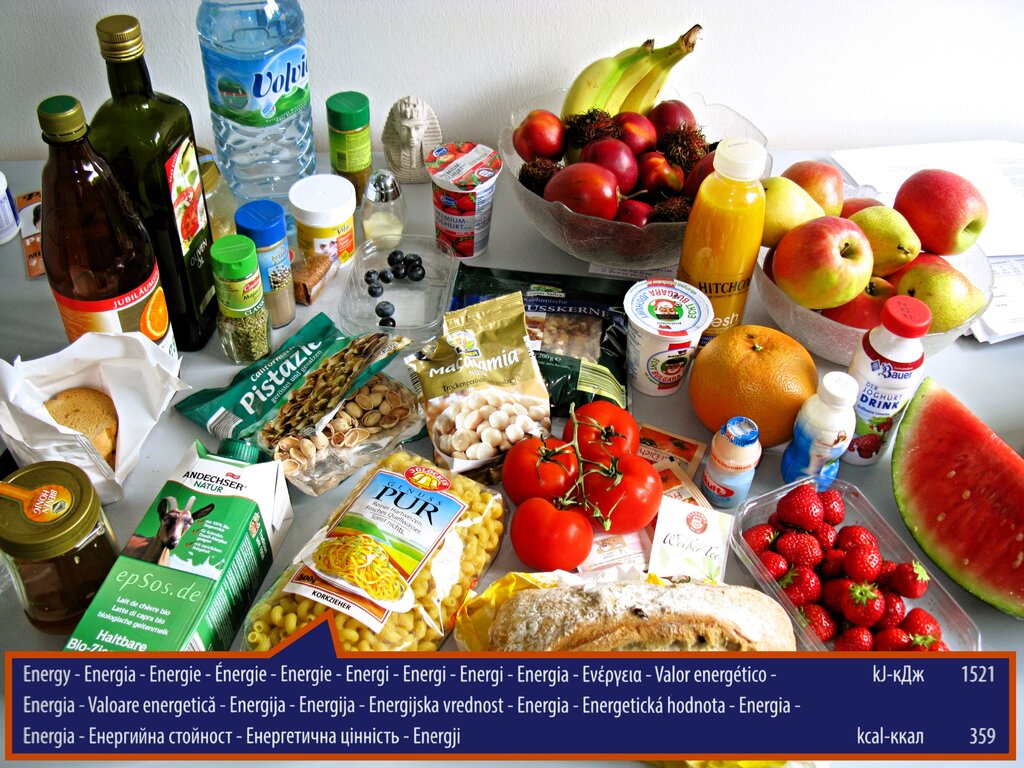
You probably use dozens of them every day. Fast-Moving Consumer Goods, or FMCGs, are products we buy frequently, use up relatively quickly, and then replace. Think about the items in your shopping cart: soap, toothpaste, snacks, and soda. They're typically sold in high volumes at low prices.
FMCG
noun
Stands for Fast-Moving Consumer Goods. These are non-durable products that sell quickly at a relatively low cost.
The key characteristics of FMCGs are their short shelf life and high consumer demand. Because they're staples of daily life, people purchase them regularly without much deliberation. This constant cycle of buying and consuming is what makes the industry so massive.
An Economic Powerhouse
The FMCG sector is a cornerstone of the global economy. Its sheer scale means it employs millions of people worldwide, from manufacturing and logistics to marketing and retail. Because these goods are essentials, the industry's performance is often seen as a reliable indicator of a country's economic health. When people feel confident about their finances, they might buy more premium FMCG brands, and when they're worried, they might switch to more budget-friendly options.
The constant demand for these everyday items creates a stable, high-volume market that drives significant economic activity.
The industry is dominated by a few global giants whose brands are household names. These companies have vast distribution networks and massive marketing budgets to ensure their products are on shelves everywhere.
| Company | Example Brands |
|---|---|
| Procter & Gamble | Tide, Gillette, Pampers, Crest |
| Nestlé | Nescafé, KitKat, Gerber, Purina |
| Unilever | Dove, Lipton, Hellmann's, Ben & Jerry's |
| The Coca-Cola Company | Coca-Cola, Sprite, Dasani, Minute Maid |
What's Changing
Despite its stability, the FMCG industry is always evolving. Today, it's undergoing several major shifts driven by changing consumer habits.
One of the biggest trends is a move toward health and wellness. Consumers are more conscious of what they're putting in and on their bodies. They're looking for products with natural ingredients, less sugar, and transparent labeling. This has fueled the rise of organic foods, plant-based alternatives, and
The modern consumer doesn't just want a product; they want a product that aligns with their values.
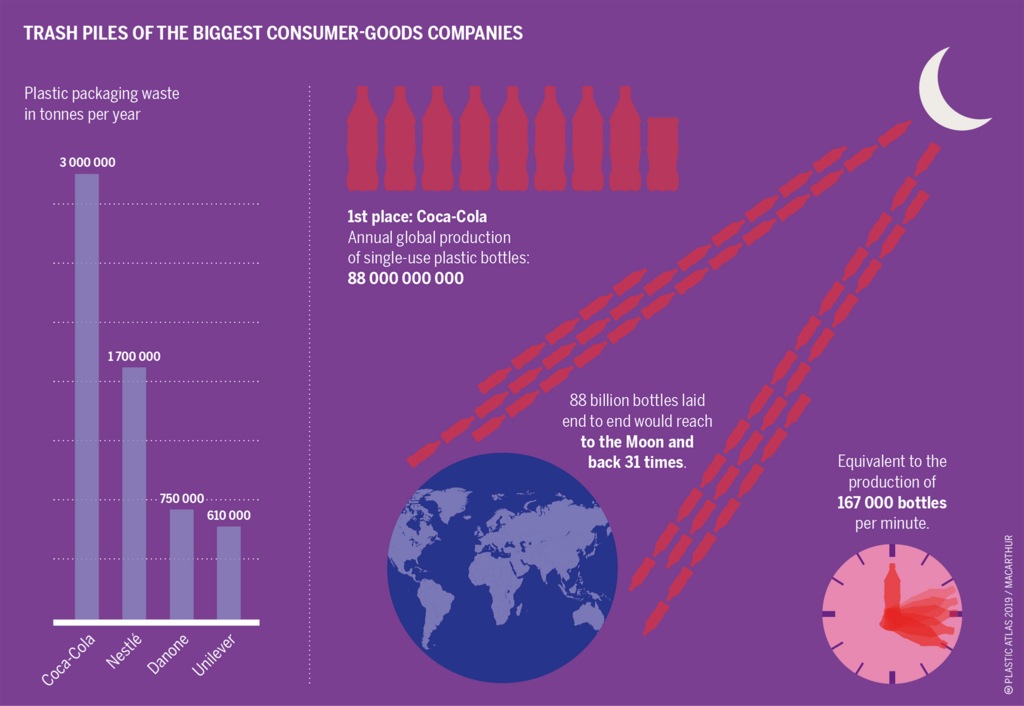
Sustainability is another powerful force. People are increasingly concerned about the environmental impact of their purchases, especially plastic packaging. In response, companies are investing in recyclable materials, reducing waste in their supply chains, and promoting ethical sourcing practices.
Finally, the rise of e-commerce has transformed how people shop. Instead of just going to the supermarket, consumers can now order groceries online, sign up for subscription services, and buy directly from brands. This digital shift has opened the door for smaller, niche brands to compete with established giants by reaching customers directly.
Ready to check your understanding?
Which of the following best defines Fast-Moving Consumer Goods (FMCGs)?
The performance of the FMCG industry is often considered an indicator of a country's economic health.
Understanding these core concepts provides the foundation for analyzing any business in this dynamic and essential industry.