Validate Ideas with User Interviews
Introduction to User Interviews
Start by Listening
Before you write a single line of code or design a single screen, you need to understand the people you're building for. A user interview is simply a conversation where you talk to potential customers to learn about their experiences, problems, and needs. It’s not a sales pitch or a survey. It's a guided chat designed to uncover insights you could never find on your own.
The main purpose is to step into your user's world. You want to see problems from their perspective. What are their daily frustrations? How do they currently solve a specific issue? What do they wish they could do but can't? These conversations help you validate whether the problem you think you're solving is a real, significant problem for others.
Your goal is to learn, not to sell. Focus on understanding their life and their challenges, not on convincing them your idea is brilliant.
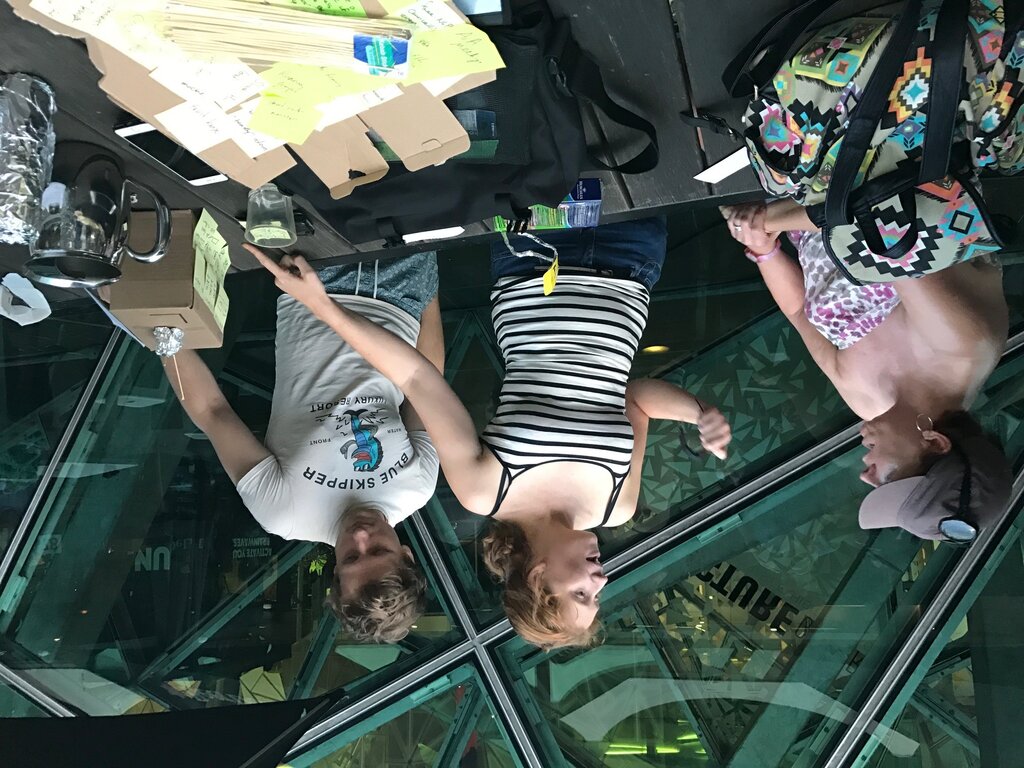
Why It's Worth Your Time
Talking to users might seem like a slow way to start, but it saves enormous time and money later. It’s the cheapest, fastest way to test your assumptions.
Here are the key benefits:
-
Gain Real Insights: You'll uncover the 'why' behind user actions. You learn about their motivations and pain points in their own words, which is far more powerful than guessing.
-
Validate Your Idea: A user interview is a reality check. You might have a great solution, but if it’s for a problem nobody has, your product won't succeed. Interviews help you confirm there's a genuine need for what you plan to build.
-
Avoid Building the Wrong Thing: The biggest risk in product development is creating something nobody wants. By listening to users first, you drastically reduce the chances of spending months building a product that fails to find an audience.
Being obsessed with problems is probably my biggest lesson as a founder, and user interviews are perhaps the best way to learn about problems.
A Foundation for Success
Think of user interviews as the foundation of your product. The insights you gather will inform everything that follows, from prioritizing features to crafting marketing messages. They ensure you are building with your users, not just for them.

By starting with these conversations, you anchor your project in real-world needs. This user-centric approach is the first and most critical step toward creating a product that people will not only use, but love.