Vaccines and Autism Myth Busted
Introduction to Vaccines
Training Your Body's Army
Your immune system is like a personal army, constantly on guard against invaders like viruses and bacteria. But what happens when it encounters a new enemy it has never seen before? It has to learn how to fight from scratch, and that delay can make you sick.
A vaccine is essentially a training manual for your immune system. It introduces a safe, weakened, or inactive part of a germ to your body. This allows your immune army to study the enemy, build weapons against it, and create a memory of it, all without causing an actual illness.
The goal of a vaccine is to teach your body to recognize and destroy a pathogen before it has a chance to make you seriously ill.
This process prepares your body for the real thing. If you're ever exposed to the actual germ in the future, your immune system recognizes it immediately and launches a fast, powerful attack to neutralize it.
A Brief History of Inoculation
The idea of priming the body to fight disease isn't new. For centuries, people practiced a method called variolation, where they would expose healthy individuals to material from smallpox sores to induce a milder infection and subsequent immunity. It was risky, but often better than catching the disease naturally.
The modern concept of vaccination began in the late 18th century with an English doctor named Edward Jenner. He noticed that milkmaids who had contracted cowpox, a mild disease, didn't seem to get smallpox, a deadly one. In 1796, he tested his theory by taking material from a cowpox sore and inoculating a young boy. The boy was later exposed to smallpox but never fell ill. Jenner's method was far safer and marked the beginning of vaccination as we know it.
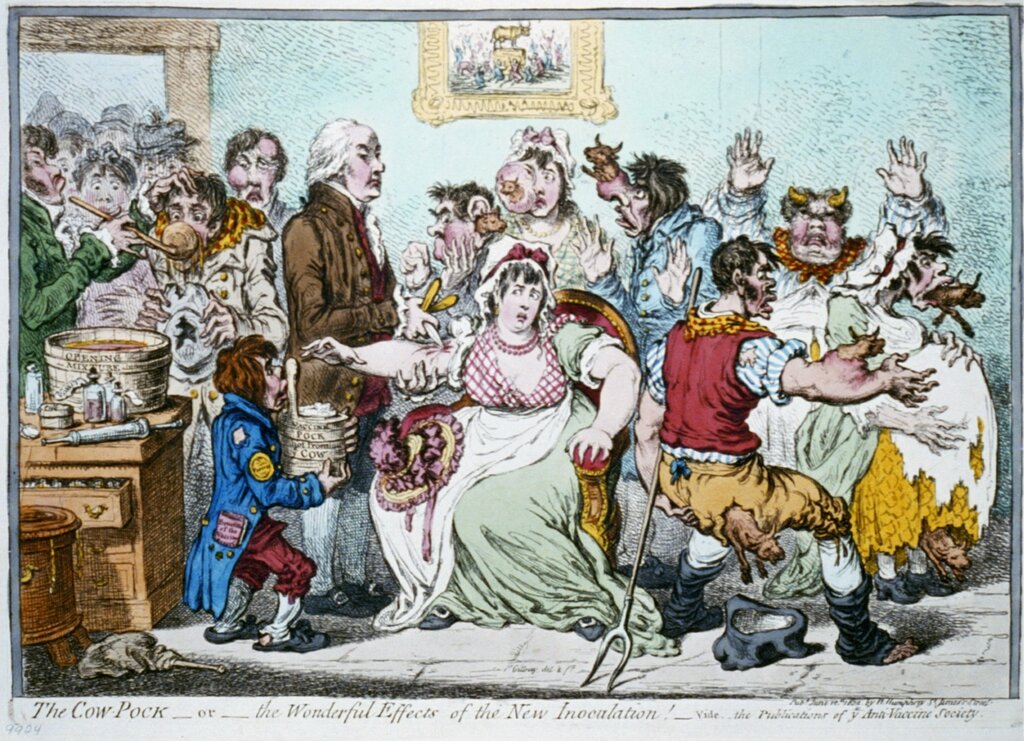
Over the next two centuries, scientists built on Jenner's work, developing vaccines for devastating diseases like rabies, polio, measles, and tetanus. Each new vaccine represented a major leap forward in public health.
How Your Body Learns
So what happens on a cellular level after you get a vaccine? The key players are a harmless piece of the germ called an antigen, and your specialized immune cells.
Antigen
noun
A substance, often a protein on the surface of a virus or bacterium, that triggers an immune response.
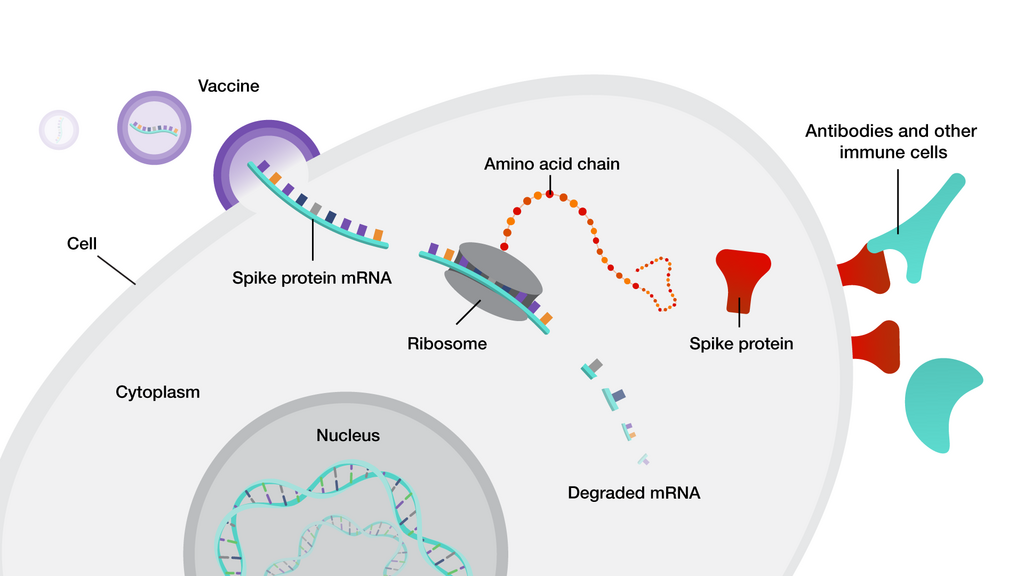
When your immune system detects this new antigen, it springs into action. Special cells present the antigen to your immune army. One type of soldier, called a B-cell, learns to produce proteins called antibodies. These antibodies are custom-made to lock onto the specific antigen, flagging it for destruction.
At the same time, another type of cell, the T-cell, gets involved. Some T-cells help activate the B-cells, while others, known as memory T-cells, remember the antigen's structure for years. This immunologic memory is the entire point. If the real pathogen ever enters your body, these memory cells ensure a rapid and effective response.
Different Training Strategies
Not all vaccines are made the same way. Scientists have developed several different approaches, or platforms, for training the immune system. Each has its own strengths and is suited for different types of germs.
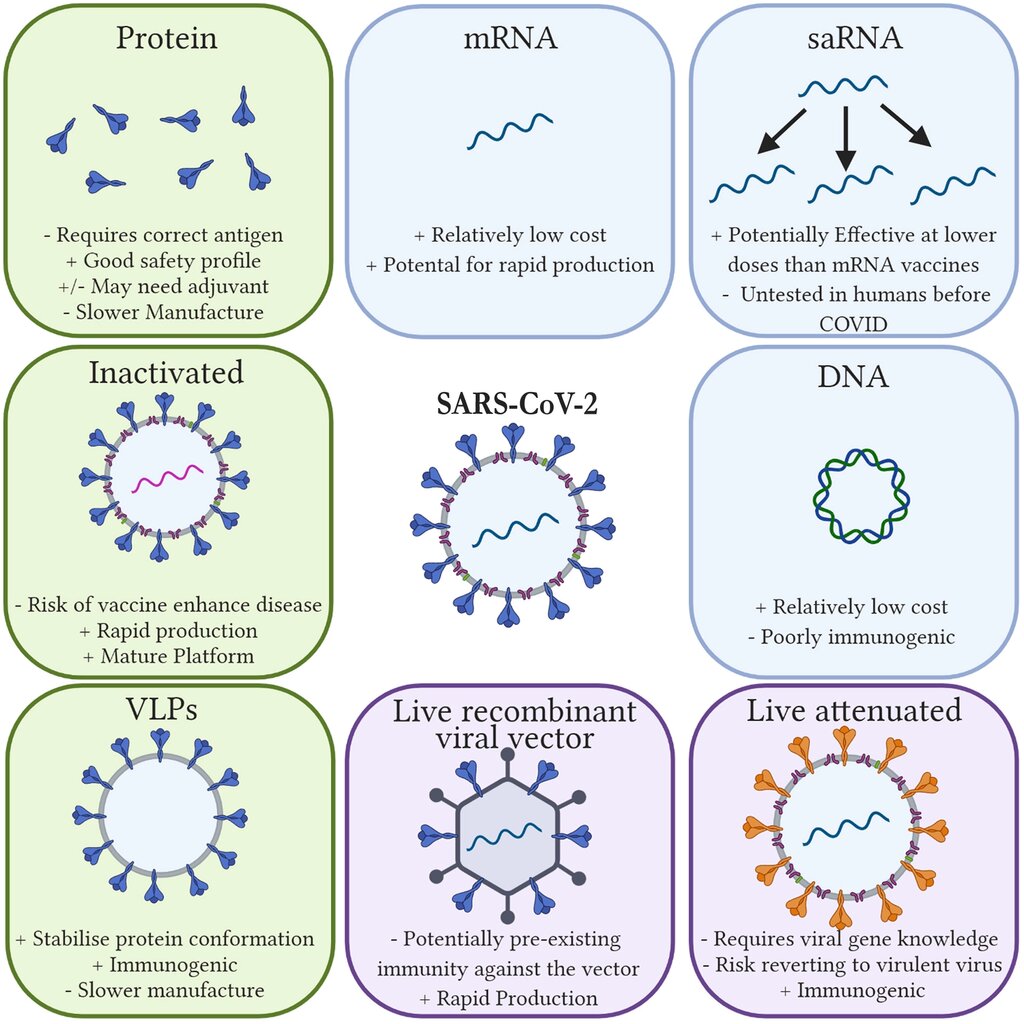
Here are a few of the main types:
-
Live-attenuated vaccines use a weakened version of the living virus. They create a strong, long-lasting immune response. Examples include the vaccines for measles, mumps, and rubella (MMR) and chickenpox.
-
Inactivated vaccines use a killed version of the germ. They are very safe but may require multiple doses or boosters to maintain immunity. Vaccines for polio and the flu are often made this way.
-
Subunit, recombinant, polysaccharide, and conjugate vaccines use only a specific piece of the germ, like its protein or sugar casing. This gives the immune system a very specific target. The whooping cough and HPV vaccines are examples.
-
mRNA vaccines are a newer type. Instead of introducing an antigen, they give your cells instructions to make the antigen themselves. Your immune system then learns to recognize this piece and builds a response. Some COVID-19 vaccines use this platform.
A Healthier World
The impact of vaccines on public health is hard to overstate. Diseases that once killed or disabled millions of people are now rare in many parts of the world. Smallpox, for example, was officially declared eradicated from the globe in 1980 thanks to a massive, coordinated vaccination campaign.
Vaccines don't just protect individuals; they protect entire communities. When enough people are vaccinated against a disease, it has a hard time spreading. This concept is called community immunity (or herd immunity). It's crucial for protecting people who can't be vaccinated, such as newborns or individuals with severely weakened immune systems.
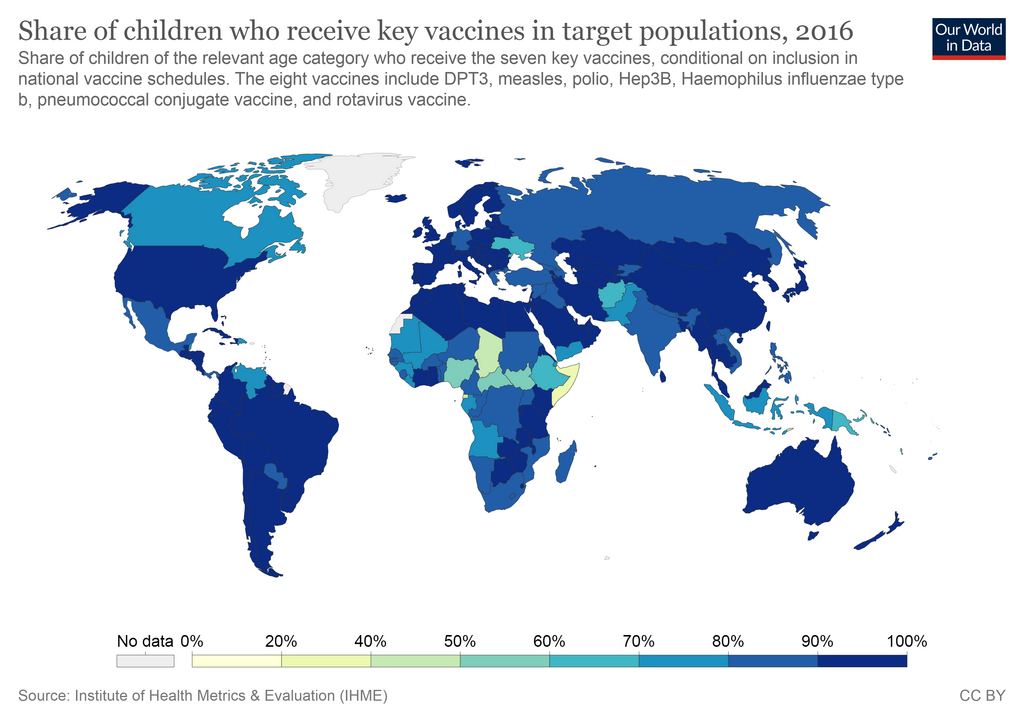
By reducing the burden of infectious diseases, vaccines have dramatically increased life expectancy and allowed societies to thrive.
What is the primary function of a vaccine?
Edward Jenner's pioneering work in the 18th century led to the first modern vaccine after he observed that exposure to cowpox provided immunity against which other disease?