Vaccine Safety A Closer Look
Vaccine Basics
Training Your Immune System
A vaccine is a way to teach your body how to fight off an infection before you ever get sick from it. Think of it as a training manual for your immune system. It introduces a safe, controlled version of a germ, or just a piece of it, so your body can learn to recognize and destroy the real thing if it ever shows up.
When a new germ, like a virus or bacterium, enters your body, your immune system has to work from scratch. It takes time to figure out the best way to attack it. While your body is learning, the germ is multiplying, which is what makes you feel sick. After you recover, your immune system keeps a memory of that germ. If you're exposed to it again, it can fight back much faster, often preventing you from getting sick at all.
Vaccines create this immunologic memory without you having to go through the illness first.
Here’s how it works. A vaccine contains an antigen, which is a molecule from a germ that your immune system can recognize. When the vaccine is introduced, specialized cells in your body present this antigen to your key immune fighters: T-cells and B-cells. B-cells produce proteins called antibodies that can latch onto the germ and neutralize it. T-cells have several jobs, including destroying infected cells and helping coordinate the overall immune attack.
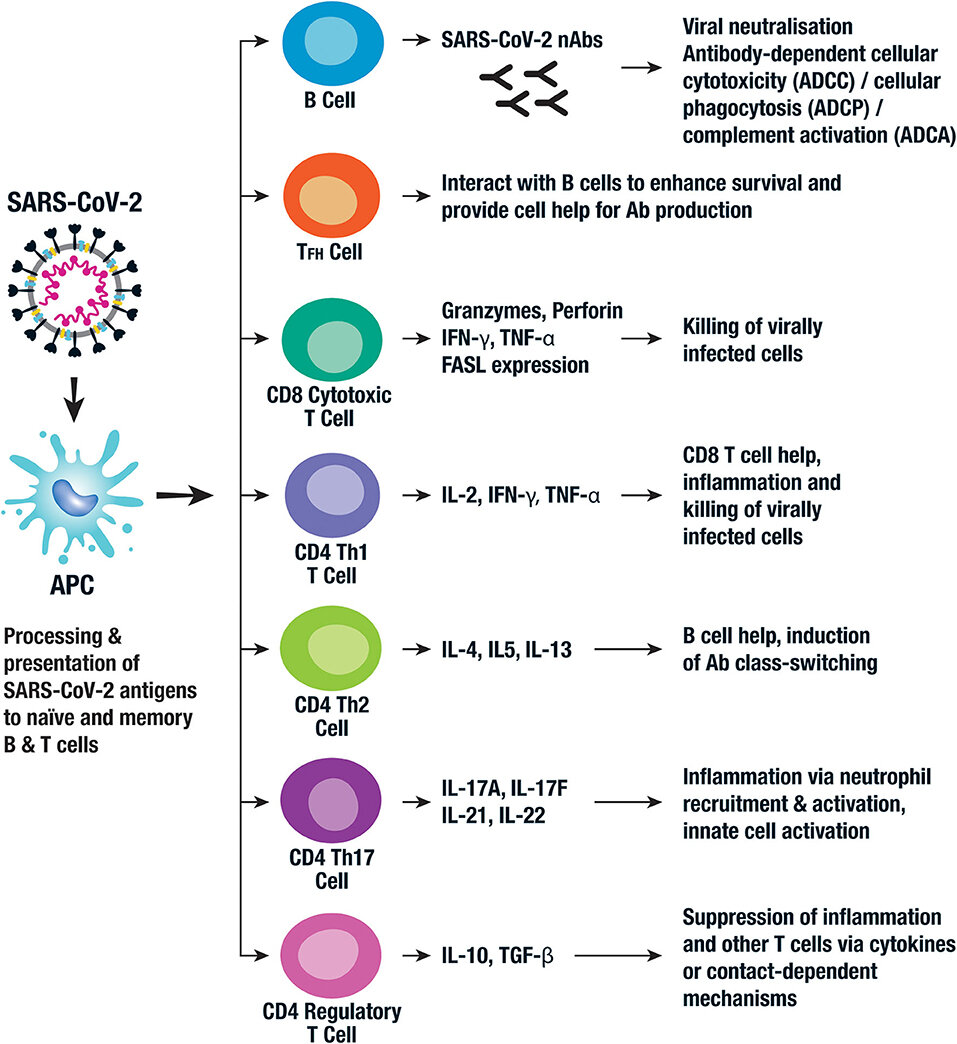
The most important part of this process is the creation of memory B-cells and memory T-cells. These long-lasting cells stick around in your body after the training exercise is over. If the real germ ever invades, these memory cells spring into action immediately, mounting a swift and powerful defense. The response is so quick that the germ is often eliminated before it can cause any symptoms.
Different Vaccine Strategies
Scientists have developed several different ways to make vaccines. The best approach depends on the specific germ being targeted. Each type uses a different strategy to present the antigen to the immune system.
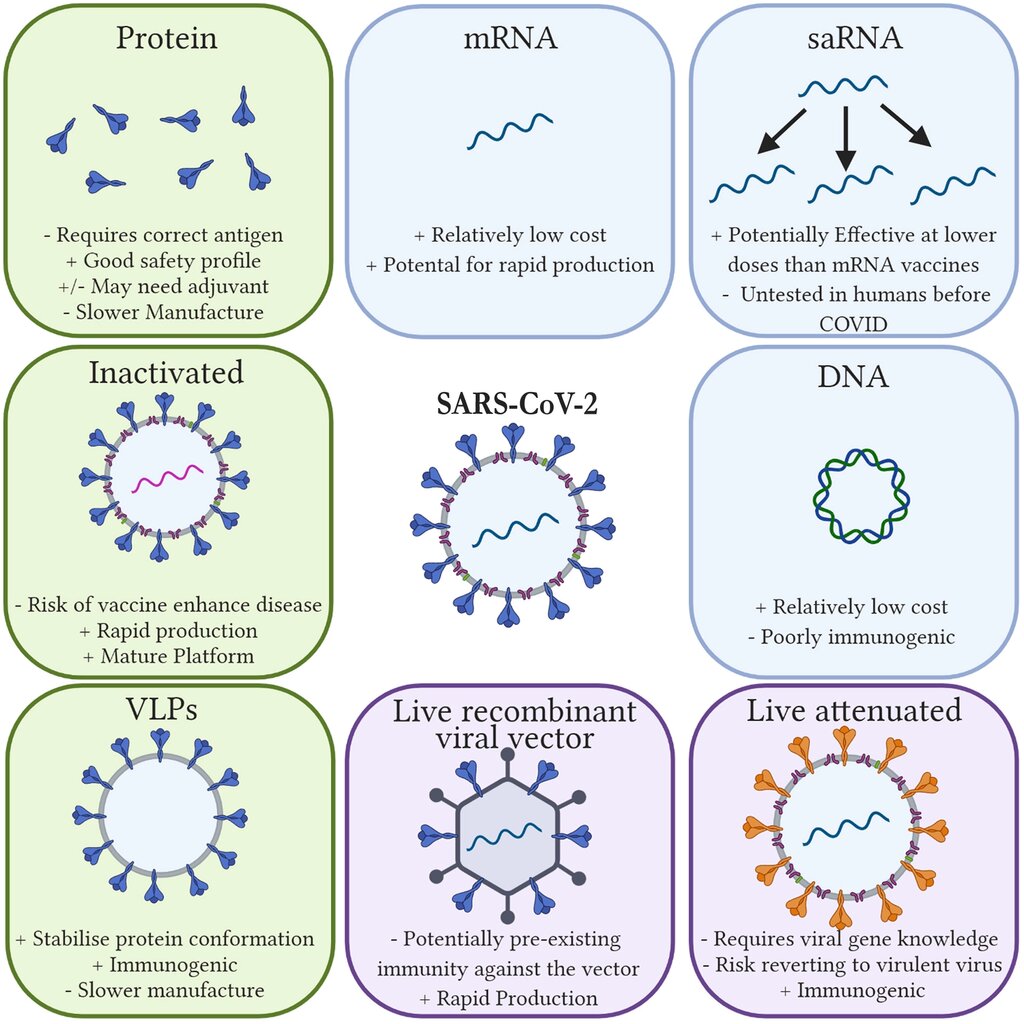
Here are some of the main types:
| Vaccine Type | How It Works |
|---|---|
| Live-attenuated | Contains a weakened (attenuated) version of the living germ. It's very effective but not suitable for people with weakened immune systems. |
| Inactivated | Contains a killed version of the germ. The germ is no longer infectious but the immune system can still learn from its antigens. |
| Subunit, recombinant, polysaccharide, and conjugate | Instead of the whole germ, these vaccines use just a specific piece of it, like a protein or sugar. This targets the immune response to the most important part of the germ. |
| Toxoid | For bacteria that cause illness by making toxins, these vaccines contain a harmless, inactivated version of the toxin. |
| mRNA | This newer type of vaccine doesn't contain any part of the germ at all. Instead, it provides your cells with instructions (mRNA) to make a harmless piece of a viral protein themselves. Your immune system then learns to recognize that protein. |
The goal for each of these types is the same: expose the body to an antigen that triggers a protective immune response and creates lasting memory.
From Lab to Clinic
Developing a vaccine is a careful and lengthy process designed to ensure it is both safe and effective.
To make a successful vaccine, to test its safety and effectiveness, and to get it licensed for widespread use in healthy humans, is usually a long and arduous process.
The journey begins with extensive laboratory research. Scientists identify which antigen will best stimulate the immune system. Once a promising candidate is found, it undergoes preclinical testing, often in cells and animals, to evaluate its safety and ability to produce an immune response.
If preclinical tests are successful, the vaccine moves into clinical trials with human volunteers. These trials happen in three main phases:
After a vaccine successfully passes all three phases, regulatory bodies like the U.S. Food and Drug Administration (FDA) review all the data. If they determine the vaccine's benefits outweigh its potential risks, it can be licensed and approved for public use. The process doesn't stop there; manufacturing is scaled up, and the vaccine's safety continues to be monitored as it's distributed to the population.
Ready to check your understanding of vaccine basics?
What is the primary function of a vaccine?
What is the key component in a vaccine that your immune system recognizes and learns to attack?