Uzbekistan and International Finance
Introduction to International Financial Institutions
The World's Economic Team
International Financial Institutions, or IFIs, are like the world's economic support team. They are organizations created and owned by multiple countries to promote financial stability and economic growth around the globe. Think of them as specialized banks and consulting firms for nations. They provide loans, grants, and expert advice to help countries manage their economies, build infrastructure, and reduce poverty.
Most IFIs are governed by their member countries, with decision-making power often related to the financial contributions of each member. This collective structure allows them to pool resources and tackle large-scale challenges that would be too big for any single nation to handle alone.
The Bretton Woods Twins
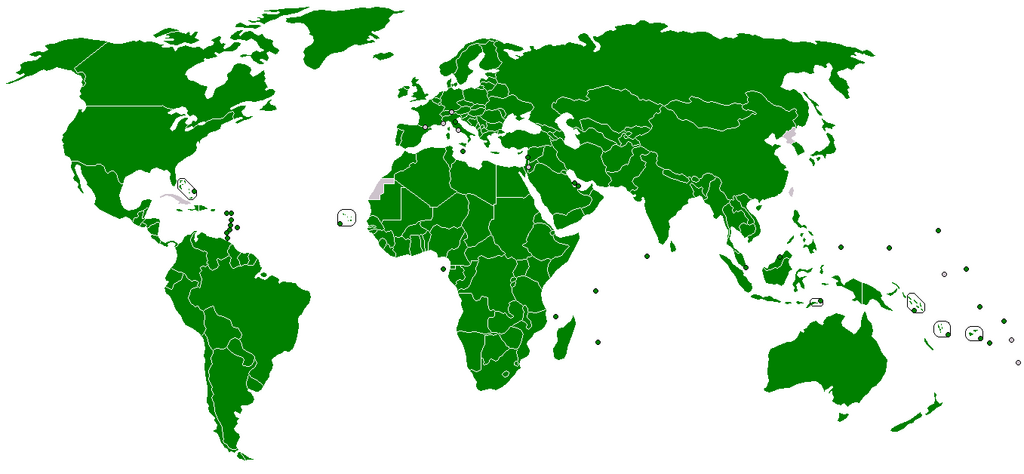
The two most famous IFIs are the International Monetary Fund (IMF) and the World Bank. Both were established in 1944 at the Bretton Woods conference, a meeting aimed at creating a more stable global economic system after the devastation of World War II.
While created at the same time and often working together, the IMF and World Bank have distinct roles. The IMF acts like a financial firefighter, while the World Bank is more of a long-term construction crew.
The International Monetary Fund (IMF) focuses on maintaining the stability of the international monetary system. Its main job is to prevent and resolve financial crises. It does this by:
- Monitoring the economic and financial policies of its 190 member countries.
- Providing short-term loans to nations facing balance of payments problems, which occur when a country spends more foreign currency than it earns.
- Offering technical assistance and training to help countries improve their economic management.
The World Bank Group is primarily a development institution. Its mission is to reduce poverty by providing financial and technical assistance to developing countries. It is made up of five organizations, but its two main arms are:
- International Bank for Reconstruction and Development (IBRD): Lends to governments of middle-income and creditworthy low-income countries.
- International Development Association (IDA): Provides interest-free loans and grants to governments of the poorest countries.
The World Bank funds long-term projects like building schools and hospitals, providing clean water, fighting disease, and improving infrastructure.
Regional Development Banks
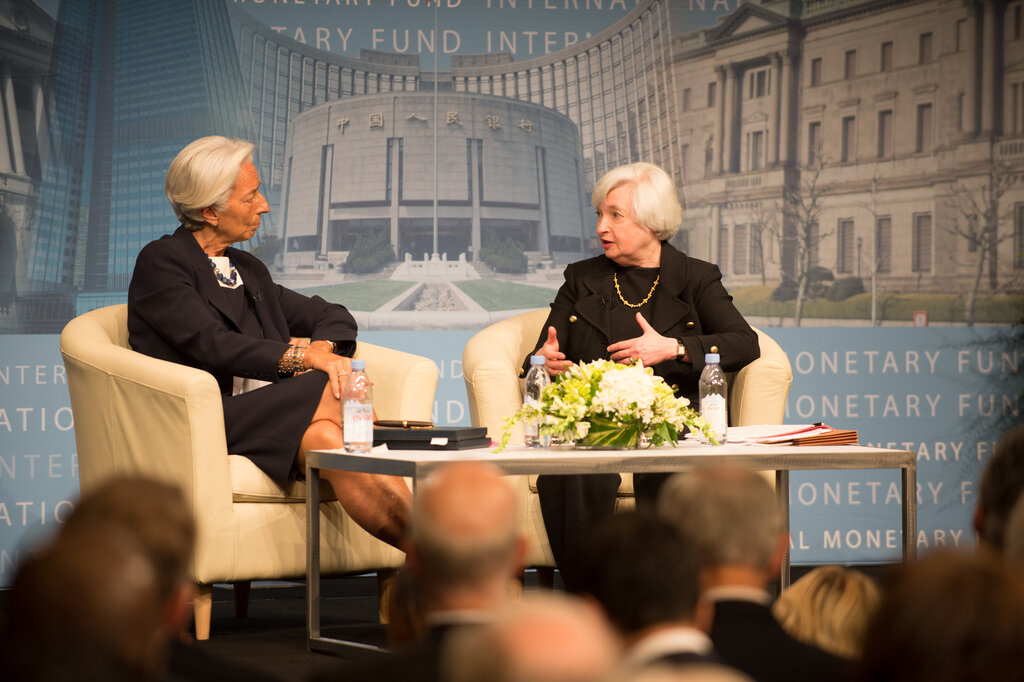
While the IMF and World Bank have a global scope, other IFIs focus on specific regions. These regional development banks have a similar structure to the World Bank but tailor their efforts to the unique challenges of their member countries.
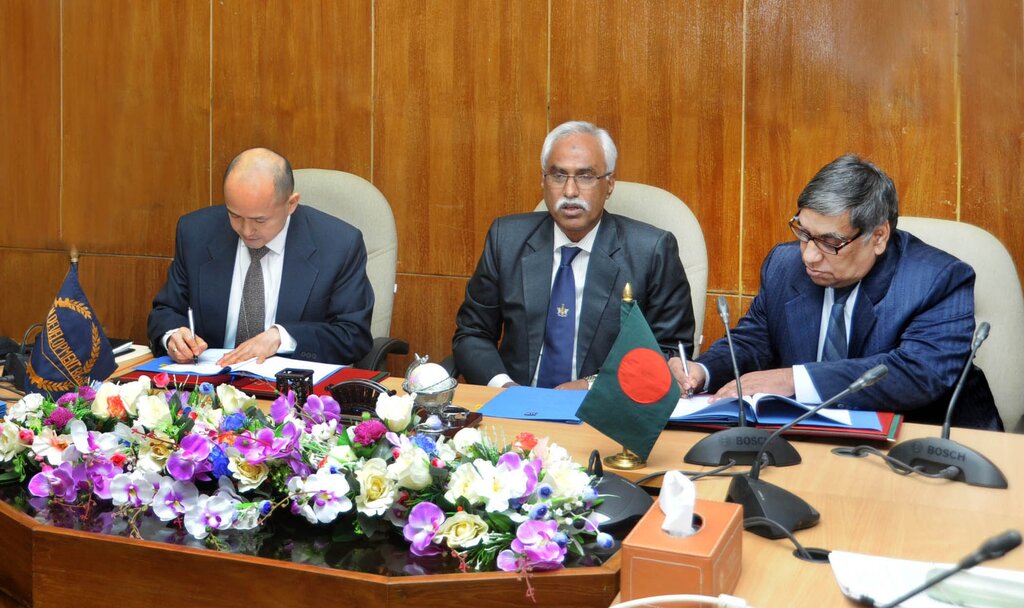
The Asian Development Bank (ADB), founded in 1966, works to promote social and economic development in Asia and the Pacific. It aims for a prosperous, inclusive, resilient, and sustainable region while continuing its efforts to eradicate extreme poverty. The ADB provides loans, grants, and technical assistance for projects in sectors like transportation, energy, and education.
The European Bank for Reconstruction and Development (EBRD) was established in 1991, following the end of the Cold War. Its initial focus was to help former communist countries in Central and Eastern Europe transition to market economies. Today, it invests in projects from Central Europe to Central Asia, promoting private sector development, entrepreneurship, and environmental sustainability.
The Islamic Development Bank (IsDB) is a multilateral development bank that focuses on fostering economic development and social progress in its member countries and Muslim communities worldwide. A key feature of the IsDB is that it operates in accordance with Islamic law (Sharia). This means its financing is based on principles of ethical and socially responsible investment, avoiding interest-based lending in favor of models like profit-sharing or leasing.
| Institution | Primary Focus | Key Function |
|---|---|---|
| IMF | Global financial stability | Short-term loans, economic surveillance |
| World Bank | Poverty reduction, development | Long-term project financing and grants |
| ADB | Development in Asia-Pacific | Regional project financing |
| EBRD | Transition to market economies | Private sector investment |
| IsDB | Development in member countries | Sharia-compliant financing |
Together, these global and regional institutions form a network that supports economic stability and fosters development. They provide the capital, expertise, and coordination needed to tackle some of the world's most pressing economic challenges.