UX Specialist Career Pivot After 40
Understanding UX Design
What Is User Experience?
User Experience (UX) design is the process of making technology, like websites and apps, easy and enjoyable to use. It’s all about the feeling a person gets when they interact with a product. Think about a door. If you have to push a handle that looks like it should be pulled, that’s bad design. You feel a little foolish and frustrated. That’s a bad user experience.
On the other hand, when an app just makes sense from the moment you open it, and you can accomplish your goal without any friction, that’s good UX. It feels effortless. The goal of a UX designer is to create that effortless feeling.
Good design is invisible. It just works, and you don't have to think about it. Bad design, however, announces itself immediately.
This focus on the user is critical for a product's success. If people find an app confusing or annoying, they'll simply delete it. But if they have a good experience, they're more likely to keep using it, recommend it to friends, and become loyal customers. In short, good UX is good for business.
Core Principles
To create those smooth, intuitive experiences, UX designers follow a few core principles. These aren't strict rules, but guiding ideas that help them make decisions.
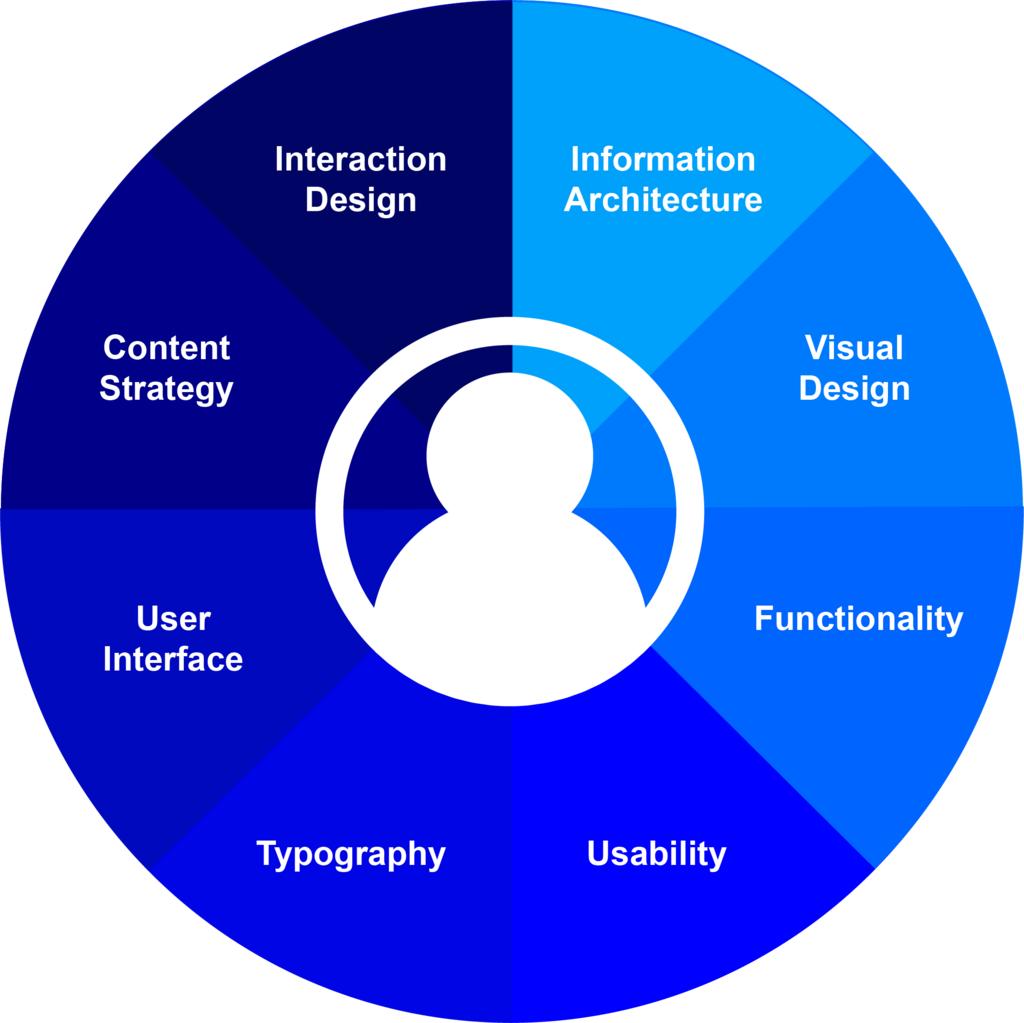
The most important principle is being user-centered. Everything revolves around the people who will actually use the product. Designers constantly ask: Who are our users? What do they need? What are their frustrations?
One of the key responsibilities of a designer during any design process is to be an advocate for the user.
Other key principles include:
- Usability: Can people use the product easily and effectively? It should be simple to learn and efficient to use.
- Accessibility: The product must be usable by people with diverse abilities. This includes designing for those with visual, hearing, motor, or cognitive impairments.
- Consistency: Elements and actions should be uniform throughout the product. A button that means “save” on one screen shouldn't mean “delete” on another. This predictability makes the product easier to learn.
- Feedback: The system should tell the user what’s happening. When you click a button, it should look like it’s been clicked. If something is loading, a spinner should appear. This communication prevents confusion and builds trust.
How UX Design Gets Done
UX design isn’t just about making things look pretty; it's a structured process of problem-solving. Designers use various methodologies to guide their work, ensuring they address real user needs instead of just guessing.
A common framework is the Double Diamond. This model visualizes the design process in two main phases: first, understanding the right problem, and second, crafting the right solution.
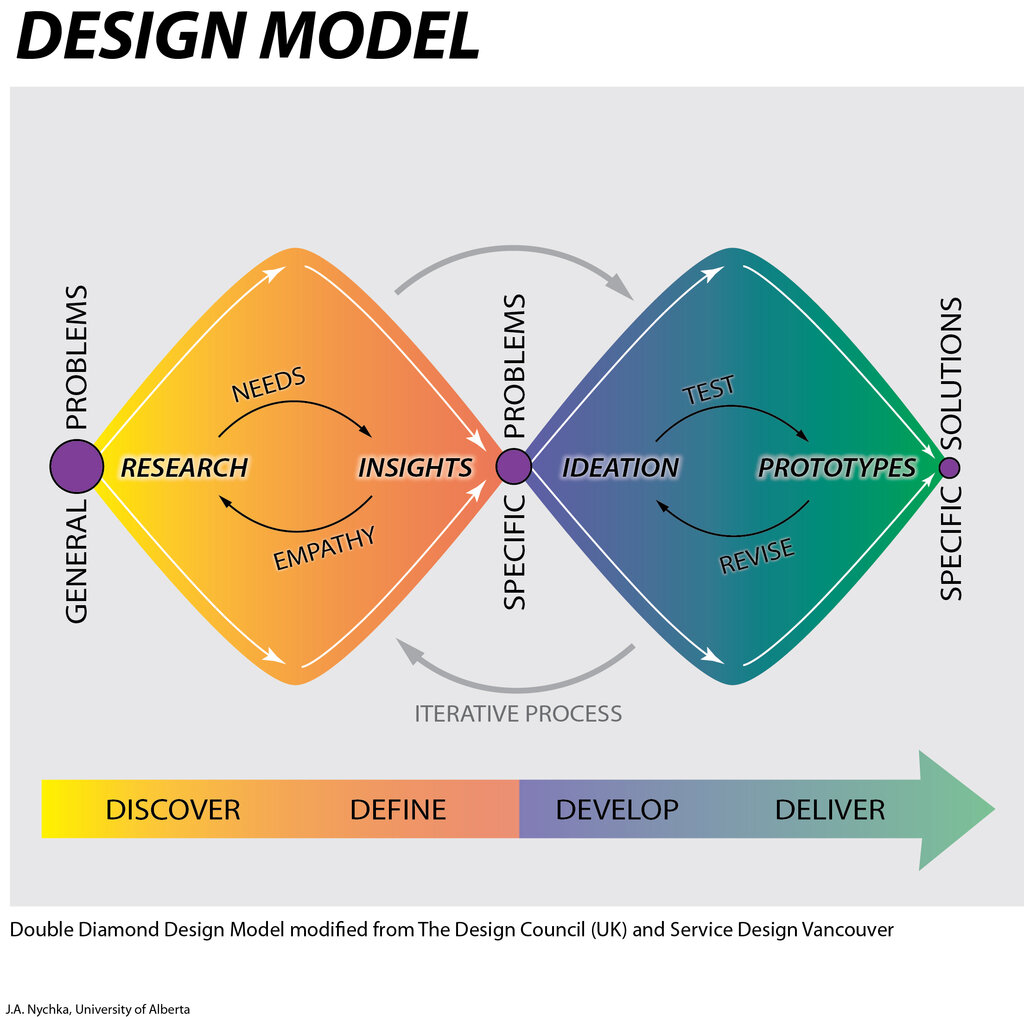
The process breaks down into four steps:
- Discover: Start with research to understand the users and the problem space. Designers might interview people, send out surveys, or observe users in their natural environment.
- Define: Synthesize the research to clearly define the core problem that needs to be solved. This ensures the team is focused on the right goal.
- Develop: Brainstorm and create potential solutions. This is where designers sketch ideas, create wireframes (basic screen blueprints), and build prototypes (interactive mockups).
- Deliver: Test the prototypes with real users, gather feedback, refine the design, and work with engineers to build and launch the final product.
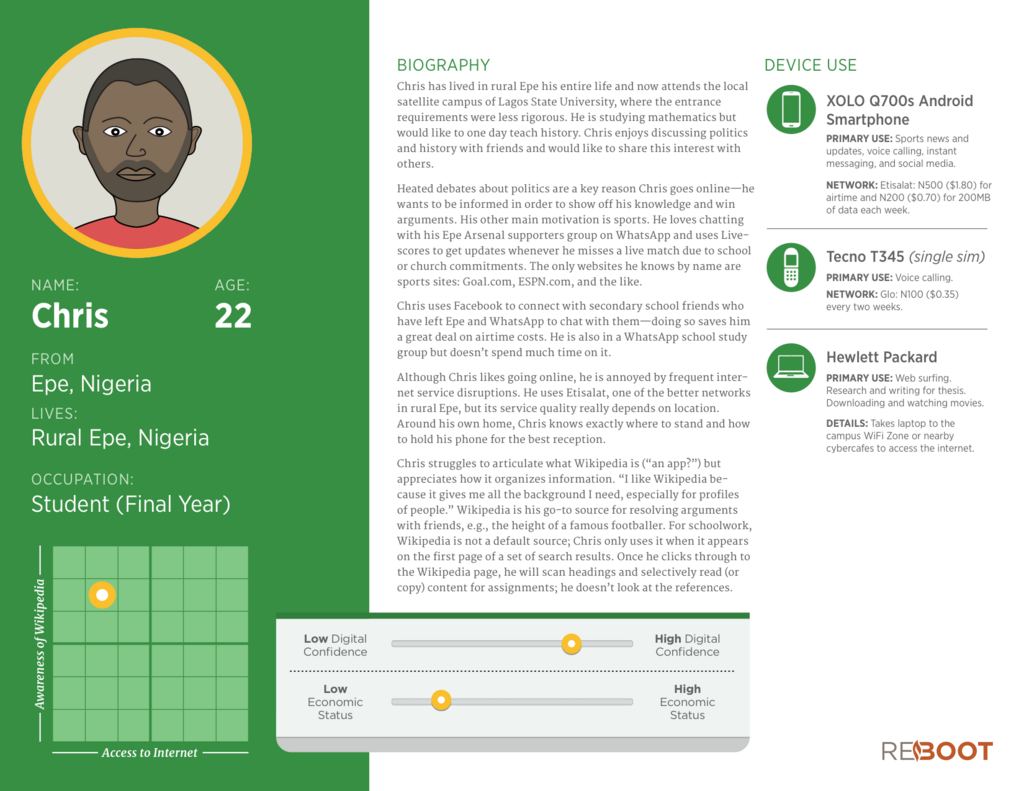
Throughout this process, a UX specialist wears many hats. They are researchers, strategists, designers, and testers. They might create detailed user personas—fictional character profiles based on research—to represent key user groups. They also map out user journeys to visualize the steps a person takes to achieve a goal within the product.
The role is highly collaborative. UX specialists work closely with product managers to define goals, with engineers to ensure designs are technically feasible, and with other stakeholders to align on a shared vision. Their ultimate responsibility is to be the voice of the user, ensuring the final product truly meets their needs.
What is the primary goal of User Experience (UX) design?
The principle that a product should be usable by people with diverse abilities, including those with visual, hearing, or motor impairments, is known as:
By focusing on human-centered design, UX turns complex systems into simple, elegant solutions that people love to use.