UX Metrics for Product Success
Introduction to UX Metrics
What Are UX Metrics?
User Experience (UX) is how a person feels when interacting with a product, like an app or a website. Is it easy to use? Is it enjoyable? Does it solve their problem? UX metrics are the specific, quantifiable data points that help us answer these questions. They are the signals that tell us whether a product is working for its users or causing them frustration.
Think of UX metrics as the vital signs for your product. Just as a doctor checks your heart rate and blood pressure, a product team checks metrics to understand the health of their user experience.
UX Metric
noun
A quantifiable data point used to track and measure the user experience of a product or service over time.
Without metrics, making design decisions is just guesswork. You might think a new button is a great idea, but data can show if users are actually clicking it. Metrics turn opinions into evidence, allowing teams to make informed decisions that genuinely improve the product.
Metrics show how users interact with your product, what’s working, and what’s not.
Why Metrics Matter
Tracking UX metrics is crucial for several reasons. First, it helps teams understand user behavior. Instead of guessing what users want, you can see what they actually do. Are they abandoning their shopping carts at a specific step? Are they spending a lot of time on a certain page? This data reveals pain points and opportunities for improvement.
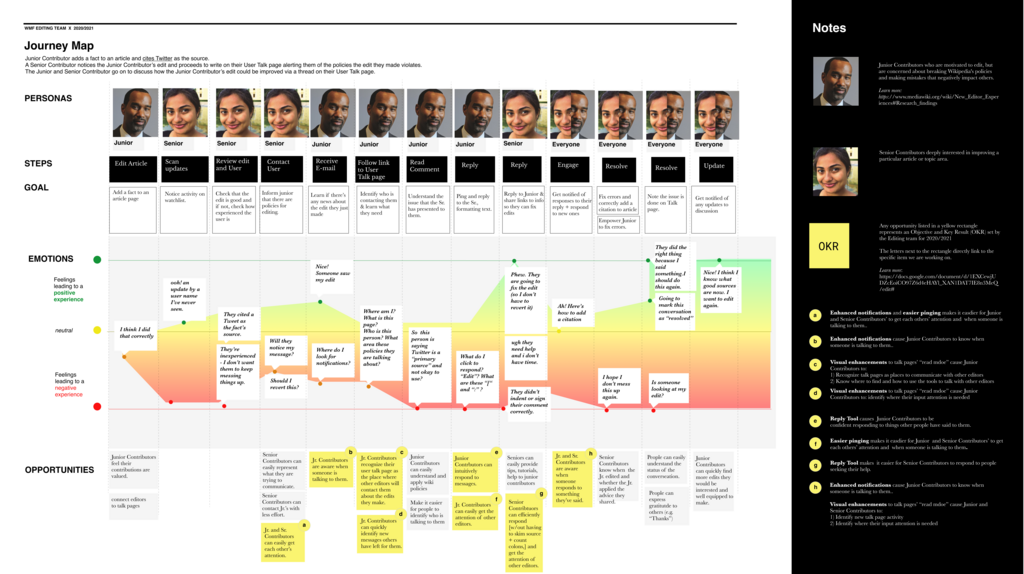
Second, metrics connect the user experience directly to business goals. A smoother checkout process (a UX improvement) can lead to more sales (a business goal). By showing that a better design increases user retention or conversion rates, UX teams can demonstrate their value to the entire organization.
Finally, metrics provide a baseline for improvement. When you release a new feature or a redesign, you can compare the new metrics to the old ones. This allows you to measure the impact of your changes and ensure you're moving in the right direction.
Categories of UX Metrics
UX metrics can be sorted into two main types: behavioral and attitudinal. Behavioral metrics measure what users do, while attitudinal metrics measure what users say.
| Category | Description | Example Questions |
|---|---|---|
| Behavioral | Focuses on user actions and interactions. It's about observing what people do. | How many users completed the task? How long did it take? How many errors occurred? |
| Attitudinal | Focuses on user feelings, opinions, and self-reported experiences. It's about listening to what people say. | How satisfied are users with the feature? How easy did they find the task? Would they recommend the product? |
A strong UX strategy uses a mix of both. What people do doesn't always match what they say. For example, a user might complete a task very quickly (a positive behavioral metric) but report that they found the process confusing and stressful (a negative attitudinal metric). Looking at both gives you the complete picture.
By understanding these categories, you can choose the right metrics to evaluate your product and make data-driven decisions that lead to a better, more successful user experience.
Ready to check your understanding?
What is the primary purpose of using UX metrics in product design?
A user survey reveals that 80% of participants find a new feature 'confusing'. What type of UX metric is this?
By defining, tracking, and analyzing the right UX metrics, teams can move from guessing what users want to knowing how to build products they love.