UX Metrics Explained
Introduction to UX Metrics
Making Sense of User Experience
How do you know if a website or app is actually working well for its users? You could guess or rely on opinions, but a much better way is to measure. This is where User Experience (UX) metrics come in. They are quantifiable data points that track how people interact with and feel about a product.
UX metrics are specific measurements that help evaluate, among other things, the effectiveness, efficiency, and satisfaction of a user's interaction with a product.
Think of UX metrics as a health check for your product. They move you from vague statements like "users seem to like the new feature" to concrete evidence like "75% of users completed the new feature's main task in under 30 seconds." This data-driven approach helps teams make informed decisions, identify pain points, and justify design changes.
Two Sides of the Coin
UX metrics generally fall into two broad categories. Understanding both gives you a complete picture of the user experience.
Behavioral metrics
other
These metrics focus on what users do. They track actions, such as clicks, navigation paths, time spent on a task, or error rates. This data is about observing user actions, often collected through analytics tools.
Attitudinal metrics
other
These metrics capture what users say or feel. They measure opinions, satisfaction, and perceptions. This information is typically gathered through surveys, ratings, or feedback forms.
Neither category is more important than the other. Behavioral metrics might show you that users are failing to complete a task, but attitudinal metrics can help you understand why they are struggling. A strong UX strategy uses both.
Guiding Product Decisions
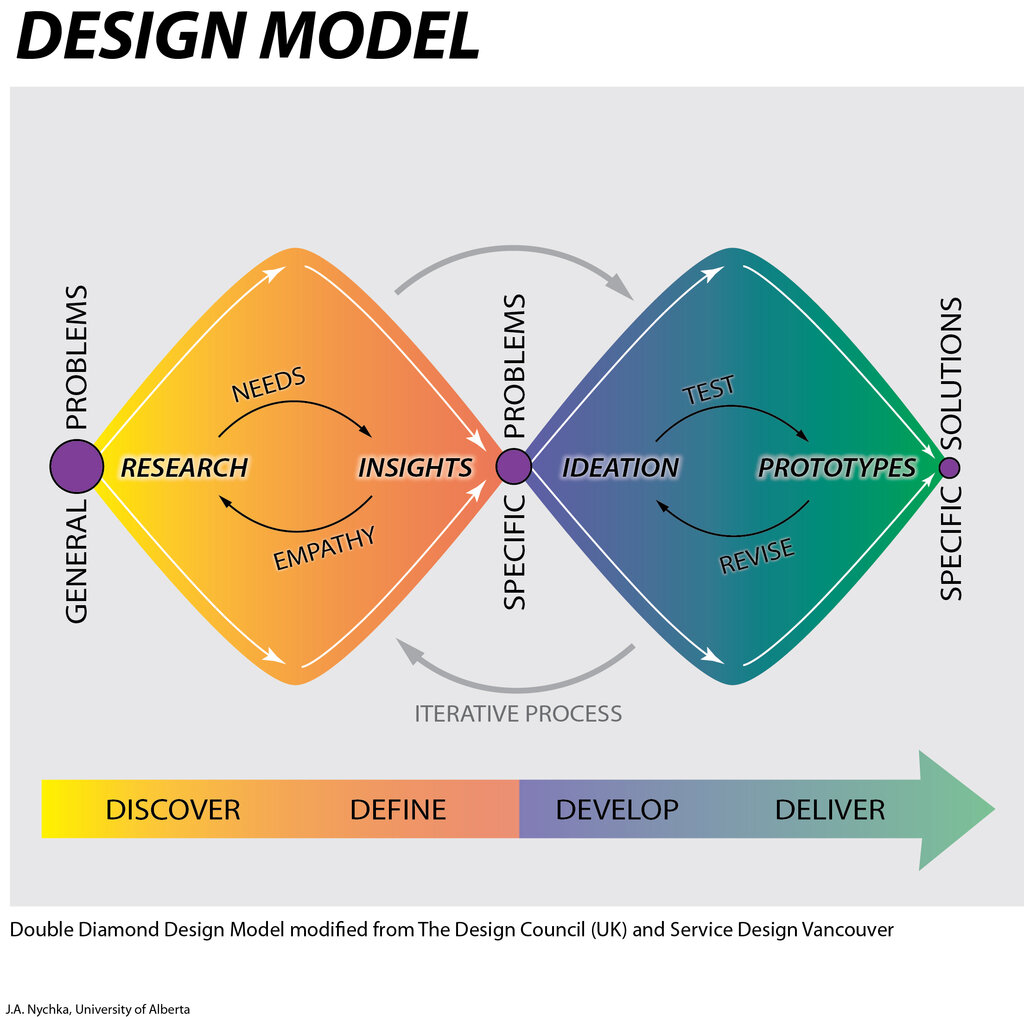
The ultimate purpose of tracking UX metrics is to drive improvement. By establishing a baseline, you can measure the impact of any changes you make. For example, you might track the time it takes for a user to sign up. After redesigning the sign-up form, you can compare the new time-on-task metric to the old one. If the time has decreased, your change was likely successful.
Metrics connect the work of designers and researchers directly to a product's goals. They provide a common language for everyone on the team, from engineers to executives, helping to prioritize work that genuinely improves the user experience.
By focusing on key metrics, you can systematically identify issues, test solutions, and create products that are not just functional but also enjoyable and easy to use.
Ready to test what you've learned about the fundamentals of UX metrics?
What is the primary purpose of using UX metrics?
A team observes that 80% of users are dropping off at the payment screen. What category of UX metric does this data point fall into?
By understanding and applying these core concepts, you can start to see how data transforms design from an art into a science.