UX Engineering Fundamentals
Introduction to UX Engineering
The Bridge Between Design and Code
Imagine a brilliant architect who designs a stunning, gravity-defying skyscraper. The blueprints are beautiful, but can it actually be built? An engineer is needed to look at those plans and figure out how to make them a reality, ensuring the structure is sound, safe, and functional. A UX Engineer plays a similar role in the digital world.
A UX Engineer is a front-end developer who specializes in user experience. They are the bridge between design and development, translating design mockups into living, breathing code.
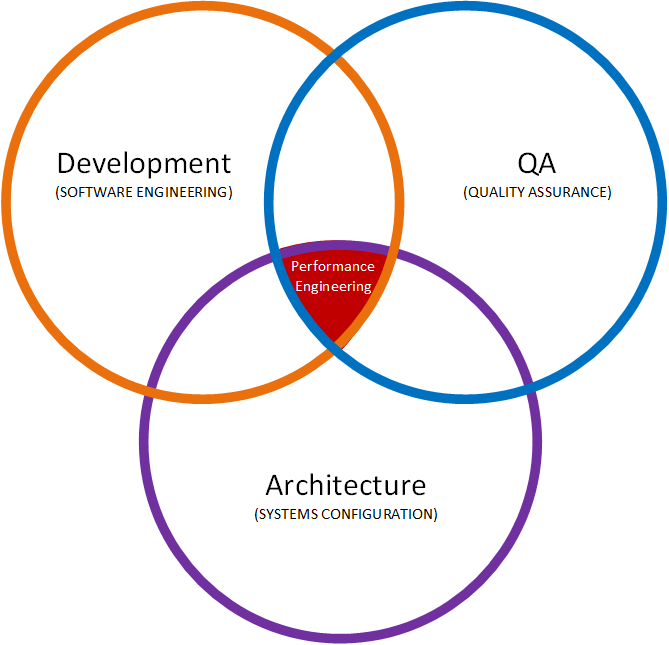
They sit at the intersection of UX design and front-end engineering. Their primary goal is to ensure that the user interface not only looks good, as the designer intended, but also feels good to use and is technically possible to build. They are advocates for the user while also being grounded in the practical realities of code.
What a UX Engineer Does
The day-to-day work of a UX Engineer is varied, but it revolves around a few core responsibilities. They are collaborators and problem-solvers first and foremost.
1. Translating Designs into Code: The most fundamental task is taking static designs from tools like Figma or Sketch and turning them into interactive web components using HTML, CSS, and JavaScript. This isn't just a mechanical conversion; it involves making smart decisions to ensure the final product is responsive and accessible.
2. Building Prototypes: Before a feature is fully built, a UX Engineer might create a high-fidelity prototype. This is a clickable, interactive version of the design that looks and feels like the real thing. It allows the team to test ideas with users and gather feedback early, saving massive amounts of time and effort down the line.
3. Ensuring Technical Feasibility: Designers can dream up amazing interfaces, but some ideas might be incredibly difficult or time-consuming to build. A UX Engineer works with designers during the design process to provide feedback on what's realistic, suggesting alternative approaches that achieve the same user goal without creating technical nightmares.
4. Creating and Maintaining Design Systems: Many companies use a design system—a library of reusable code components (like buttons, menus, and forms) that can be assembled to build new pages. UX Engineers are often the primary builders and maintainers of these systems, ensuring consistency and efficiency across all of a company's products.
The Skillset
Because the role is a hybrid, a UX Engineer needs a mix of technical, design, and communication skills. They don't need to be the world's best coder or the world's best designer, but they need to be fluent in both worlds.
| Skill Category | Key Abilities |
|---|---|
| Front-End Development | Strong proficiency in HTML, CSS, and JavaScript. Often includes experience with modern frameworks like React or Vue.js. |
| Design Principles | A solid understanding of user-centered design, including usability, accessibility, and information architecture. |
| Prototyping Tools | Familiarity with design tools like Figma, Sketch, or Adobe XD to interpret designs and build prototypes. |
| Communication | The ability to clearly explain technical constraints to designers and advocate for user needs to developers. |
| Problem-Solving | A creative and analytical approach to finding solutions that satisfy both user goals and technical requirements. |
The Career Path
People enter UX Engineering from two main paths: they are either front-end developers who have a passion for design and usability, or they are UX designers who have learned to code to bring their ideas to life. Both paths can lead to a successful career.
Growth in this field can go in several directions. A UX Engineer might become a Senior or Lead UX Engineer, mentoring others and taking ownership of a product's entire front-end experience. They might also specialize in a specific area, like building complex design systems or optimizing web performance.
Ultimately, it's a role that demands continuous learning. Web technologies and design trends are constantly evolving. The most successful UX Engineers are curious, adaptable, and always eager to learn the next new thing to improve the user's experience.
What is the primary function of a UX Engineer?
A UX Engineer might build a high-fidelity prototype primarily to...
This role is a fantastic fit for anyone who enjoys both creative design and logical coding, and who wants to have a direct impact on how people interact with technology.