UX Engineering Fundamentals
Introduction to UX
What is User Experience?
User Experience, or UX, is all about how a person feels when interacting with a product. Think about the last time you used a new app. Was it easy and enjoyable, or confusing and frustrating? That overall feeling is its user experience.
User experience (UX) encompasses every interaction a user has with your digital product—from the first click to the final transaction.
Good UX is invisible. When a product works just the way you expect, you don't even think about it. You accomplish your goal and move on. Bad UX, on the other hand, sticks out. It's the form you can't submit, the button you can't find, or the instructions that make no sense. A positive experience keeps users coming back, while a negative one can drive them away for good. This is why focusing on the user is critical for any successful product.
A Brief History
While the term "user experience" is relatively modern, the core ideas are not. The field has roots in ergonomics and human factors, which focus on designing tools and systems for human use. In the early days of computing, interaction was limited to text commands, which required specialized knowledge.
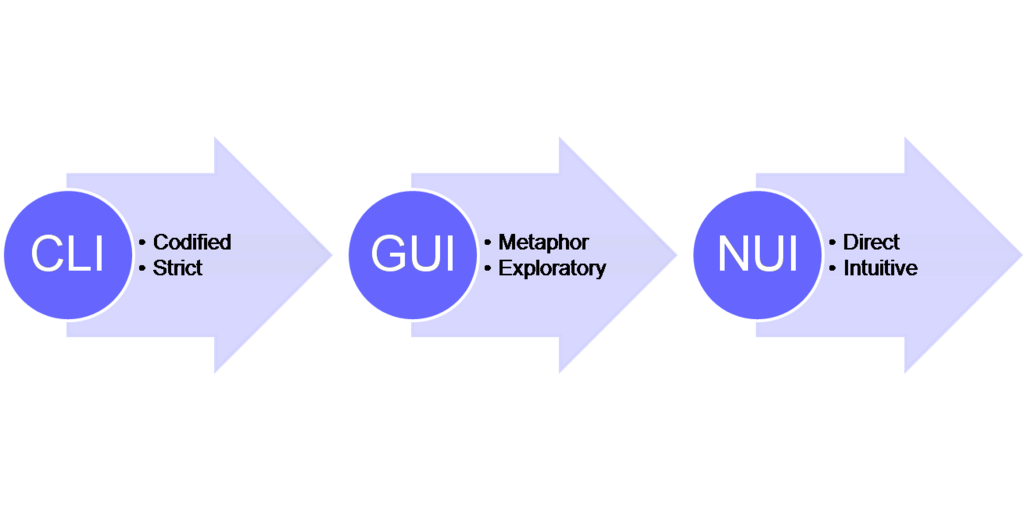
The game changed with the rise of personal computers and graphical user interfaces (GUIs), which used visual metaphors like icons and windows. In the 1990s, cognitive scientist Don Norman, while working at Apple, coined the term "user experience" to describe the complete experience of a person using a product, from the physical hardware to the on-screen interface.
UX, UI, and Visual Design
People often use the terms UX, User Interface (UI), and Visual Design interchangeably, but they refer to different, though related, aspects of the design process. Understanding the distinction is key.
- User Experience (UX) is the big picture. It’s the entire journey a user takes with a product. It involves understanding user needs through research, defining the product's structure and flow (information architecture), and testing designs to ensure they are intuitive and effective.
- User Interface (UI) is a part of UX. It focuses specifically on the screen—the controls, buttons, and layouts that a user interacts with. UI design is about making the interface efficient and easy to use. A UI designer decides where to place a button and how a menu should work.
- Visual Design is a part of UI. It’s about the look and feel. This includes choosing color palettes, fonts, and imagery. Visual design aims to create an interface that is aesthetically pleasing and consistent with the product's brand identity.
Think of it like building a house. UX is the architectural blueprint, ensuring the house is functional and meets the family's needs. UI is the placement of doors, windows, and light switches. Visual Design is the paint color, furniture, and decor.
You can have a beautiful app (good visual design) with buttons that are easy to tap (good UI), but if the app doesn't actually solve a user's problem or is confusing to navigate, it has bad UX. All three must work together to create a great product.
Let's check your understanding of these foundational concepts.
What is the primary focus of User Experience (UX) design?
A product can have a great User Interface (UI) but a poor User Experience (UX).
Understanding these core ideas is the first step. By separating the overall experience from the interface and its visual styling, you can begin to see how a product is built from the user's perspective.