UX Design for AI SaaS Multi-Agents
Introduction to UX Design
What Is UX Design?
User Experience (UX) design is the process of making products, services, or systems easy and enjoyable for people to use. It’s not just about how something looks, but about how it feels to interact with it. Think about your favorite app. It probably works so smoothly that you don't even notice the design. That’s the goal of great UX.
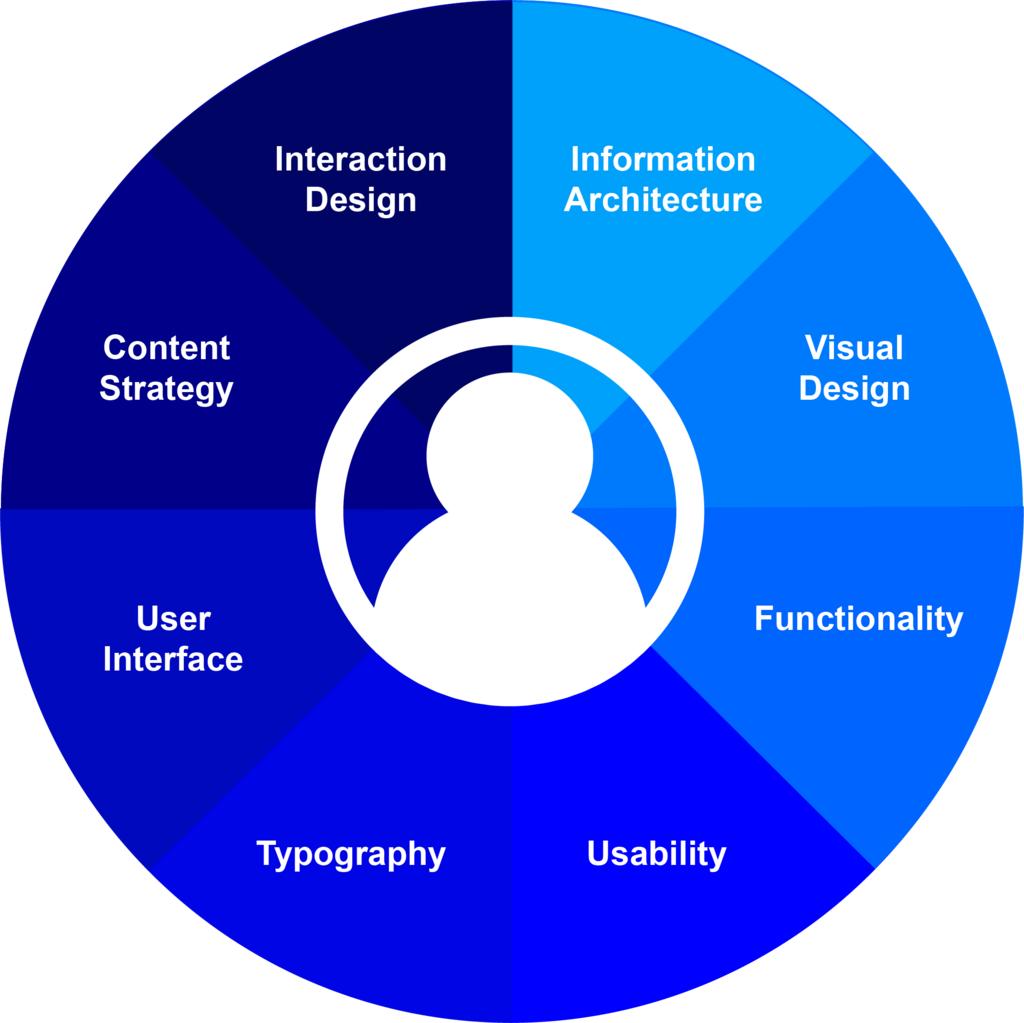
When UX is done well, technology feels intuitive. When it's done poorly, you get frustrated. Imagine trying to open a door that looks like you should pull, but you actually have to push. That confusion is a sign of bad design. In the digital world, this could be a confusing website menu or a checkout process that makes you want to give up.
Good UX is crucial because it builds trust and keeps users coming back. If a product solves a problem without creating new ones, people will continue to use it and recommend it to others.
Core Principles
Two fundamental principles guide almost every decision in UX design: usability and accessibility.
Usability
noun
The ease with which a person can use a product or service to achieve a specific goal.
Usability answers the question: Can someone use this thing without getting stuck? It involves several factors:
- Learnability: How easily can a first-time user figure it out?
- Efficiency: Once they've learned it, how quickly can they perform tasks?
- Memorability: If a user returns after a break, can they remember how to use it?
- Satisfaction: Does the user enjoy the experience?
A usable product is one that feels effortless. You don’t need a manual to figure out how to post a photo or order a ride.
Accessibility
noun
The practice of designing products so they can be used by people with a wide range of abilities and disabilities.
Accessibility ensures that everyone has equal access. This means designing for people with visual, auditory, motor, or cognitive impairments. Simple choices can make a huge difference. For example, using high-contrast colors helps users with low vision, providing text captions for videos helps those who are deaf or hard of hearing, and making sure a website can be navigated with a keyboard helps people who cannot use a mouse. Designing for accessibility often improves the experience for all users.
Putting the User First
The guiding philosophy behind UX is user-centered design (UCD). This approach places the user at the heart of every stage of the design and development process. Instead of building what a company thinks users want, UCD focuses on what users actually need.
Start with the user, their needs, and their frustrations, trying to understand the value that AI can bring to their workflow — such as automation, idea generation, or something more profound.
This means designers spend a lot of time on research. They conduct interviews, send out surveys, and observe people using existing products to understand their behaviors and pain points. From this research, they create user personas—fictional characters representing different user types—and user journey maps, which visualize the steps a user takes to accomplish a goal.
UCD is an iterative cycle. Designers create a solution, test it with real users, gather feedback, and use that feedback to refine the design. This loop continues until the product is both effective and easy to use.
A Glimpse at the Process
While every project is different, the UX design process often follows a structured path to move from a problem to a solution. A popular model for this is the Double Diamond.
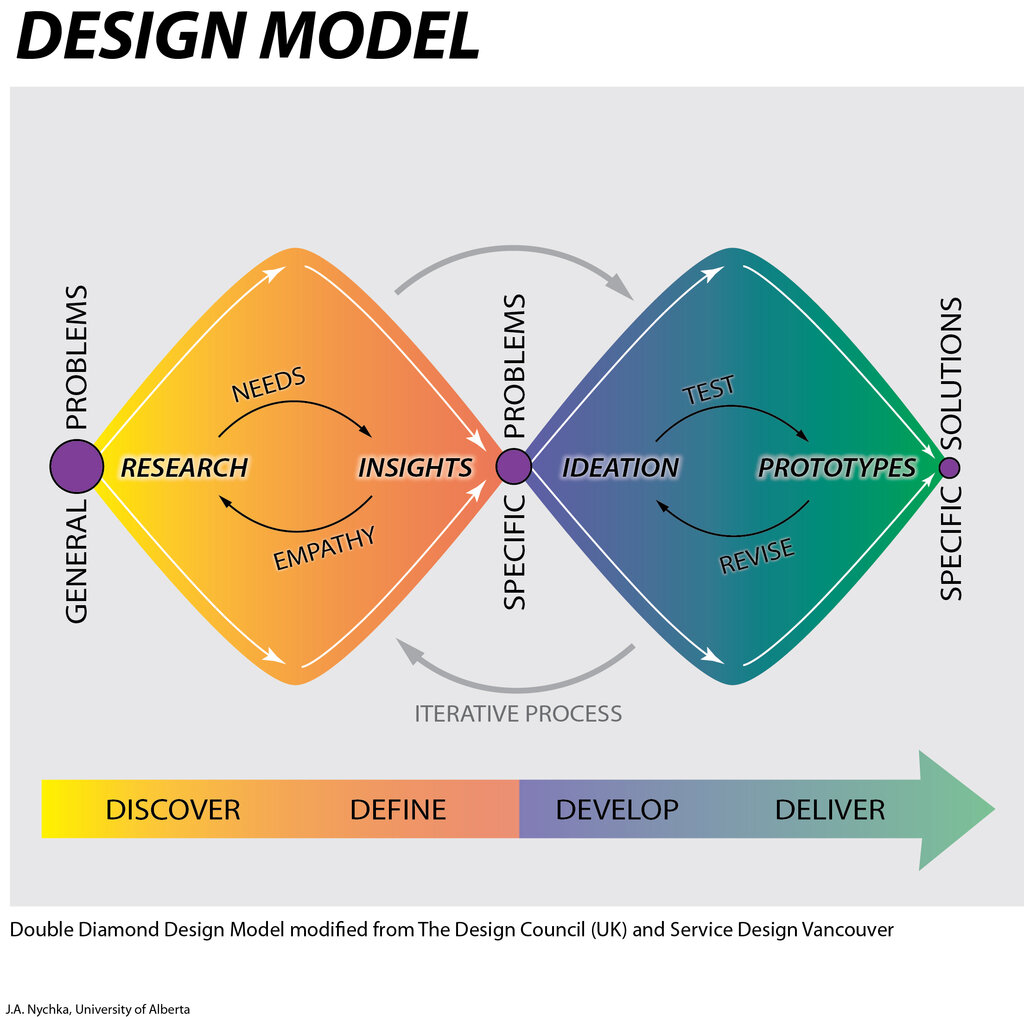
This model has four phases:
- Discover: The first diamond begins with research to understand the problem. Designers explore the issue broadly, gathering insights about users and their context. The goal is to question assumptions and gain a deep understanding.
- Define: Here, the team narrows down and makes sense of the information from the discovery phase. They define the core problem they are going to solve.
- Develop: The second diamond starts with brainstorming and creating potential solutions. This is a creative phase where designers develop prototypes, which are early models of the product.
- Deliver: In the final phase, the solution is tested with users, refined based on feedback, and prepared for launch.
This structured approach ensures that the final product is not only well-built but also addresses a real user need effectively.
What is the primary goal of User Experience (UX) design?
The User-Centered Design (UCD) approach places the user at the heart of the design process.
Understanding these fundamentals is the first step in creating products that people love to use. It's a field that combines psychology, research, and design to make technology work better for everyone.